 Save
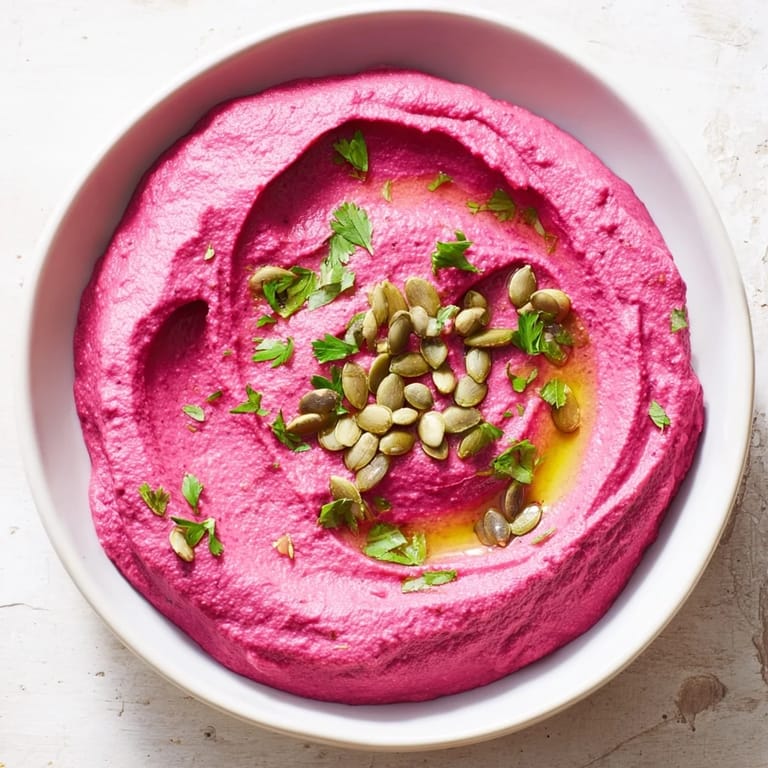
Save The first time I made beet hummus, I wasn't trying to be fancy—I just had leftover roasted beets taking up space in my fridge and a craving for something that felt healthier than my usual afternoon snack. I threw them into the food processor with chickpeas and tahini almost out of curiosity, half expecting a muddy-colored disaster. What came out was this shocking hot pink dip that made me stop mid-blend just to stare at it. My roommate walked in, saw the color, and immediately declared it the most elegant thing I'd ever made by accident.
I made this for a potluck once where someone had brought store-bought hummus that looked beige and apologetic next to my bowl. People kept asking if it was beet-based, what made it so creamy, why it was so pink—and I loved that moment where something simple sparked genuine curiosity. That night taught me that food doesn't have to be complicated to feel special, it just has to look like you cared enough to think differently about it.
Ingredients
- Medium beets (2): Choose ones that are similar in size so they roast evenly; smaller beets tend to be earthier and less woody than large ones.
- Olive oil: Use a good quality extra virgin for the final drizzle—it's worth it when it's the star of the garnish.
- Canned chickpeas (1 can, 15 oz): Drain and rinse them thoroughly; this removes the starchy liquid that can make your hummus grainy.
- Tahini (3 tablespoons): Stir the jar before measuring because the oil separates, and unstirred tahini will throw off your ratio.
- Fresh lemon juice (3 tablespoons): Squeeze it yourself if you can; bottled changes the flavor in ways you won't notice until you taste them side by side.
- Garlic cloves (2): Raw garlic gives punch, but if you're making this for people who are sensitive to strong flavors, roast them first for sweetness.
- Ground cumin (1 teaspoon): Toast it in a dry pan for 30 seconds before adding to wake up the flavor.
- Fine sea salt (½ teaspoon): Start with this amount and taste before adding more; hummus needs less salt than you'd think because tahini is already slightly salty.
- Cold water (2–3 tablespoons): Add it slowly—cold water incorporates differently than room temperature, creating that silky texture that makes people ask for your recipe.
- Pumpkin or sesame seeds (2 tablespoons, toasted): Toasting them yourself takes three minutes and doubles their crunch and nuttiness.
- Fresh parsley (chopped): Use the flat-leaf kind; it has more flavor and looks intentional scattered on top.
Tired of Takeout? 🥡
Get 10 meals you can make faster than delivery arrives. Seriously.
One email. No spam. Unsubscribe anytime.
Instructions
- Get the beets blushing:
- Preheat your oven to 400°F, wrap each beet in foil with a drizzle of oil, and roast for 35–40 minutes until they yield easily to a fork. The smell that fills your kitchen is earthy and sweet—that's when you know they're done.
- Cool and peel with confidence:
- Let them sit until they're cool enough to handle, then rub the papery skin away under running water with your fingers; it'll slide right off. Don't worry about staining—the color washes out eventually.
- Build the base:
- In your food processor, add the roasted beets, drained chickpeas, tahini, lemon juice, oil, garlic, cumin, and salt, then blend until mostly smooth with just a touch of texture remaining. You want it to feel alive, not like baby food.
- Cream it up:
- Keep the motor running and drizzle in the cold water slowly, watching the mixture transform into something impossibly silky. It'll seem like it's not working until suddenly it is, thick and creamy and holding itself with quiet confidence.
- Season to your taste:
- Stop, taste a spoonful, and add more salt or lemon if it feels flat; hummus is forgiving and wants you to adjust it to your palate.
- Plate like you mean it:
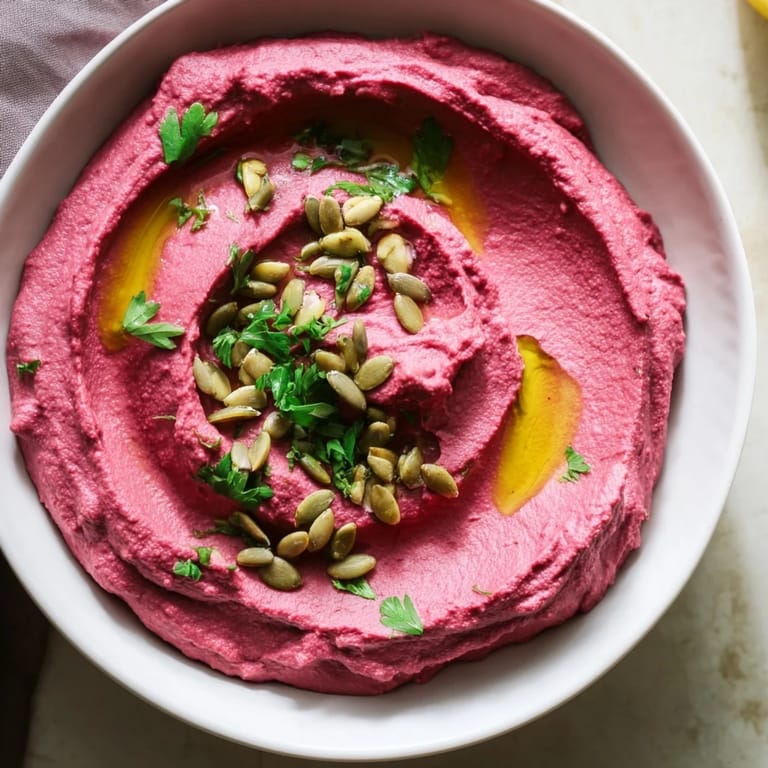
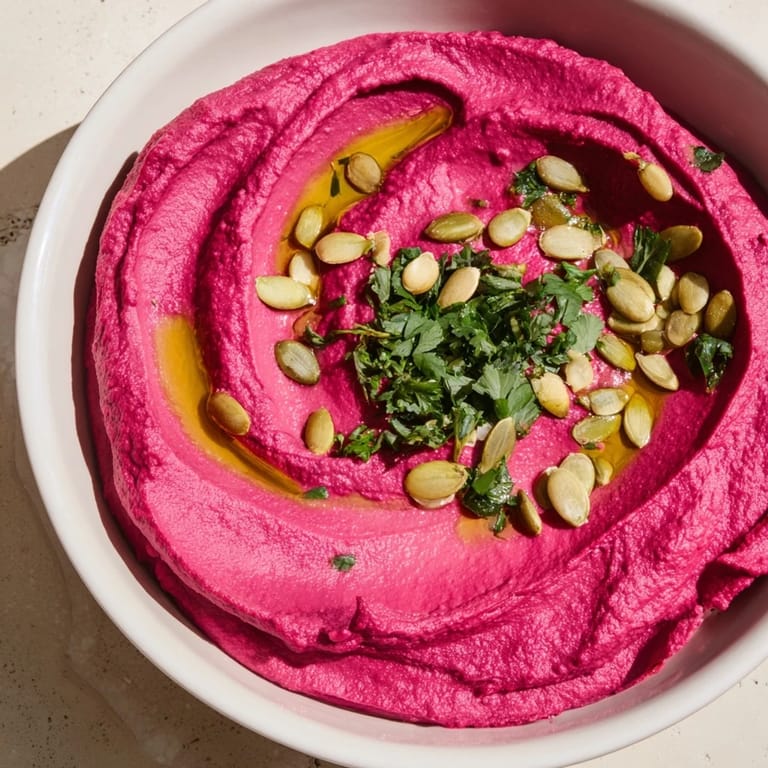
- Spoon the hummus into a shallow bowl, use the back of your spoon to create a shallow well in the center, then drizzle olive oil into that well and scatter the toasted seeds and parsley on top. This last step is what makes someone take a photo.
 Save
Save I realized while making this dip that the prettiness of food matters more than I used to think—not in a vain way, but because beautiful food invites people in differently. This hummus opened conversations that might never have happened with beige alternatives, and suddenly I was sharing recipes and laughing with people I barely knew. Food really is that small magic that softens distance between strangers.
Why This Color Matters
The hot pink hue isn't just Instagram-friendly; it's a signal that you're serving something thoughtful and homemade instead of mass-produced. Beets bring natural sweetness that tahini and lemon balance perfectly, creating a flavor that's deeper and more interesting than regular chickpea hummus. The color also makes people curious about what went into it, and that curiosity often leads to them trying something new they might otherwise skip over.
Serving Ideas That Actually Work
Serve this with warm pita that you've toasted until it's crispy around the edges, or with raw vegetables sliced thicker than you think makes sense—thick slices give you enough surface area to scoop without breaking. It spreads beautifully on sandwiches, especially on whole grain bread with roasted vegetables and feta, and it's somehow more satisfying as a sandwich spread than as a dip. I've also spooned it alongside grilled fish or chicken, where its earthiness and subtle sweetness feel like they were meant to be there all along.
Timing and Storage Secrets
Make this hummus up to three days ahead and keep it in an airtight container in the fridge; the flavors actually deepen overnight as everything gets to know each other. If it gets too firm when cold, let it sit at room temperature for 10 minutes before serving, or drizzle it with a bit more olive oil and give it a stir. The garnish should go on right before serving so the seeds stay crunchy and the parsley stays bright green.
- Roast your beets whenever you have the oven on for something else to save time.
- Buy tahini from the international or bulk section where it's fresher than in the condiment aisle.
- Taste and adjust salt at the very end; it's the easiest tweak and makes all the difference between good and memorable.
 Save
Save This beet hummus reminds me that the simplest dishes often become favorites, not because they're fancy, but because they're honest and warm and worth sharing. Make it, and you'll understand why it keeps getting requested.
Recipe Guide
- → What is the best way to roast beets for this dish?
Wrap trimmed beets in foil with a drizzle of olive oil, roast at 400°F (200°C) for 35-40 minutes until tender, then let cool before peeling.
- → Can I substitute any ingredients to change the flavor?
Try using golden beets for a sweeter, yellow variation or roasted garlic instead of raw garlic for a milder taste.
- → How can I achieve a smoother texture?
Peeling chickpeas before blending and adding extra cold water will help reach an ultra-creamy consistency.
- → What toppings enhance flavor and presentation?
Drizzling olive oil and sprinkling toasted pumpkin or sesame seeds along with fresh parsley adds crunch and visual appeal.
- → What dishes pair well with this vibrant beet blend?
Serve alongside pita bread, raw vegetables, or use as a colorful sandwich spread for delightful variety.