 Save
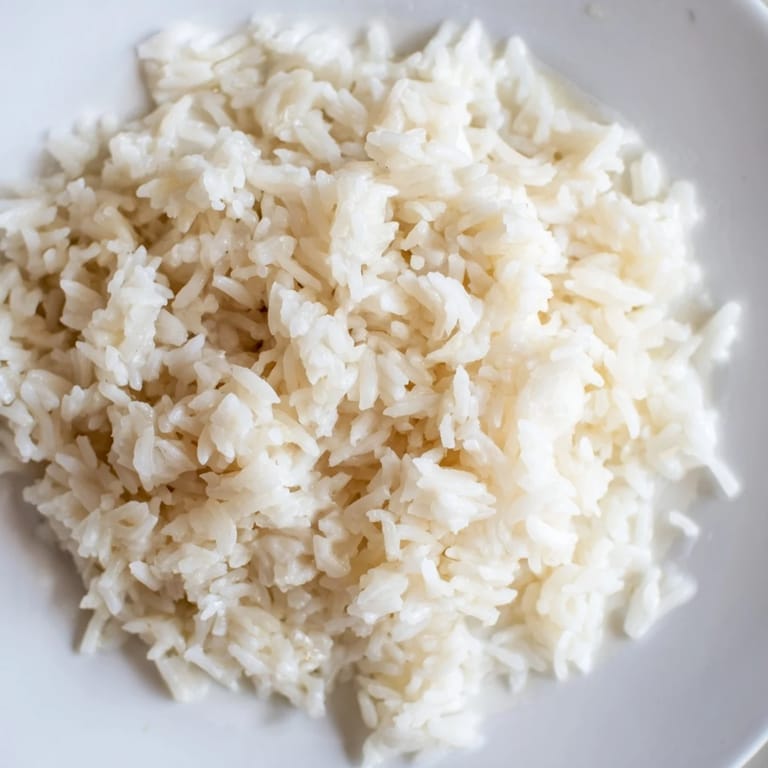
Save There's something almost meditative about the moment jasmine rice hits coconut milk for the first time. I discovered this combination by accident when I ran out of regular water during a weeknight dinner party, grabbed a can of coconut milk instead, and ended up creating something my guests couldn't stop asking about. The kitchen filled with this delicate, floral steam that made everyone pause mid-conversation. It turns out that small kitchen improvisation can lead to your new favorite side dish, one that feels both humble and unexpectedly luxurious.
I made this for my partner's family dinner last spring, and watching their faces when they tasted it was the kind of quiet validation that makes cooking worthwhile. My mother-in-law asked if I'd learned the recipe from a restaurant, which felt like the highest compliment possible. That meal taught me that sometimes the most elegant dishes are the ones that slip onto the plate without fanfare.
Ingredients
- Jasmine rice: The real star here—its natural jasmine fragrance amplifies beautifully when cooked in coconut milk, so don't skip the rinsing step or you'll lose clarity and end up with a starchy, gluey texture.
- Full-fat unsweetened coconut milk: This is non-negotiable; lite versions water down the whole experience, and sweetened versions turn the dish cloying.
- Water: Balances the richness of the coconut milk so each grain stays separate and distinct rather than turning into porridge.
- Salt: Awakens the natural sweetness of both the rice and coconut, making them taste like themselves.
- Sugar: Optional, but I've learned it adds dimension rather than sweetness when you use just a teaspoon.
Tired of Takeout? 🥡
Get 10 meals you can make faster than delivery arrives. Seriously.
One email. No spam. Unsubscribe anytime.
Instructions
- Rinse the rice properly:
- Run the jasmine rice under cold water, stirring gently with your fingers until the water runs completely clear. This removes excess starch that would make the grains stick together.
- Combine and stir:
- Pour the rinsed rice into a medium saucepan, then add the coconut milk, water, salt, and sugar if using. Give it a good stir so nothing settles on the bottom.
- Bring to a boil:
- Set the heat to medium and let the mixture come to a gentle boil, stirring occasionally so nothing sticks.
- Reduce heat and cover:
- Once you see the boil, turn the heat down to low, place the lid on tightly, and don't peek. The steam sealed inside is doing all the work.
- Simmer for 15 minutes:
- Resist the urge to lift the lid and check on things. The rice needs that undisturbed time to absorb the liquid and become tender.
- Rest and fluff:
- Turn off the heat and let the rice sit, still covered, for 10 minutes. This final resting period lets any remaining moisture distribute evenly, then fluff it gently with a fork just before serving.
 Save
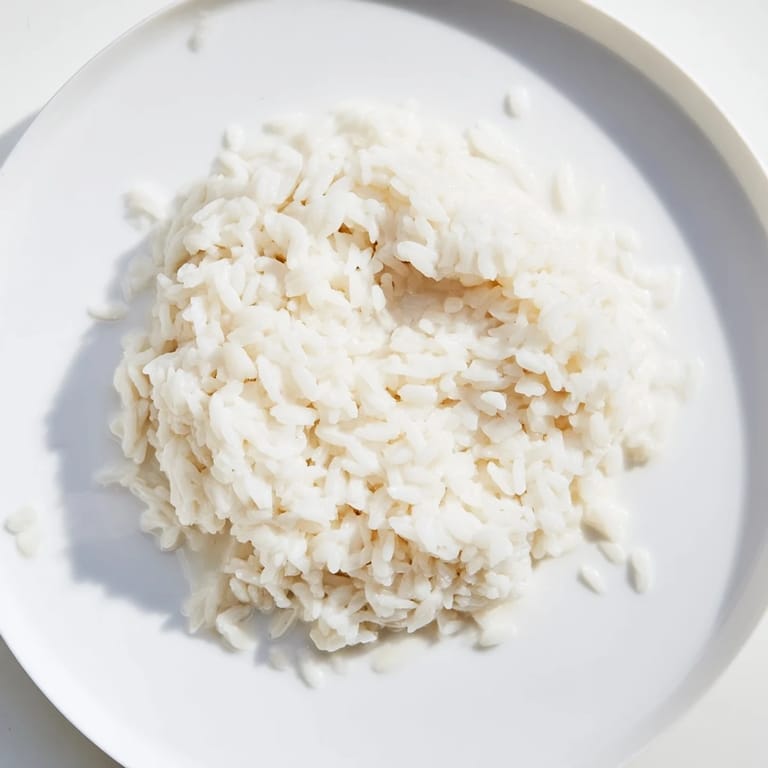
Save I made a large batch of this for a Thai dinner I hosted in late summer, and I watched people go back for thirds, quietly, almost embarrassed about how much they were eating of something that looked so simple. That's when I understood that great cooking isn't about complexity or showing off—it's about making something so right that people just want more of it.
Aroma and Memory
The smell of jasmine rice cooking in coconut milk is genuinely memorable in the best way. It fills your kitchen with this gentle, almost floral warmth that hints at tropical beaches without being over the top. I've noticed that people pause when they smell it, asking what's cooking before they even sit down at the table.
Customizations That Actually Work
Once you nail the basic version, small additions open up new possibilities. A piece of fresh ginger sliced thin adds warmth without taking over, and pandan leaves (if you can find them) create an almost mysterious sweetness that makes people wonder what's different. I've also experimented with adding a single star anise during cooking, removing it before serving, and it adds a subtle depth that lingers pleasantly.
Serving and Pairing Strategy
This rice is genuinely versatile because it plays well with bold dishes without getting lost underneath them. I've served it with spicy Thai curries, grilled fish, and even simple sautéed vegetables, and it never feels out of place. The creamy sweetness actually balances heat really well, making it an intelligent choice for any Asian-inspired meal.
- Serve it slightly warm or at room temperature alongside curries, grilled proteins, or stir-fried vegetables.
- Make it ahead if you're cooking multiple dishes—it reheats gently and actually tastes good cold the next day as a base for a rice salad.
- If you're feeding a crowd, double the recipe; it holds well and feels like you made something special without extra effort.
 Save
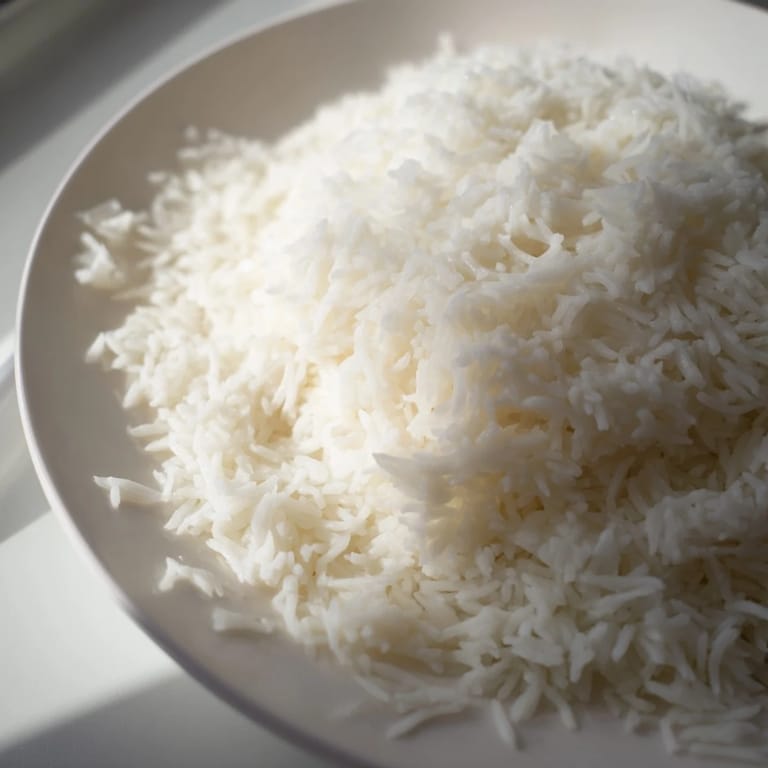
Save This recipe proved to me that you don't need a long ingredient list or complicated techniques to create something memorable. It's just good rice, treated with respect and cooked in something that loves it.
Recipe Guide
- → Can I substitute coconut milk with a lighter option?
Using light coconut milk can reduce fat content but may slightly affect the creamy texture and depth of flavor.
- → How do pandan leaves influence the dish?
Pandan leaves add a subtle floral aroma, enhancing the fragrance without overpowering the coconut notes.
- → Is rinsing the jasmine rice necessary?
Rinsing removes excess starch, preventing clumping and ensuring a fluffy, separate grain texture.
- → Can I add spices or herbs while cooking?
Yes, gentle additions like ginger or mild spices can elevate aroma and complexity, but keep flavors balanced.
- → What dishes pair best with this coconut jasmine rice?
This rice complements Thai curries, grilled meats, and stir-fried vegetables, adding a rich and sweet base to bold flavors.