 Save
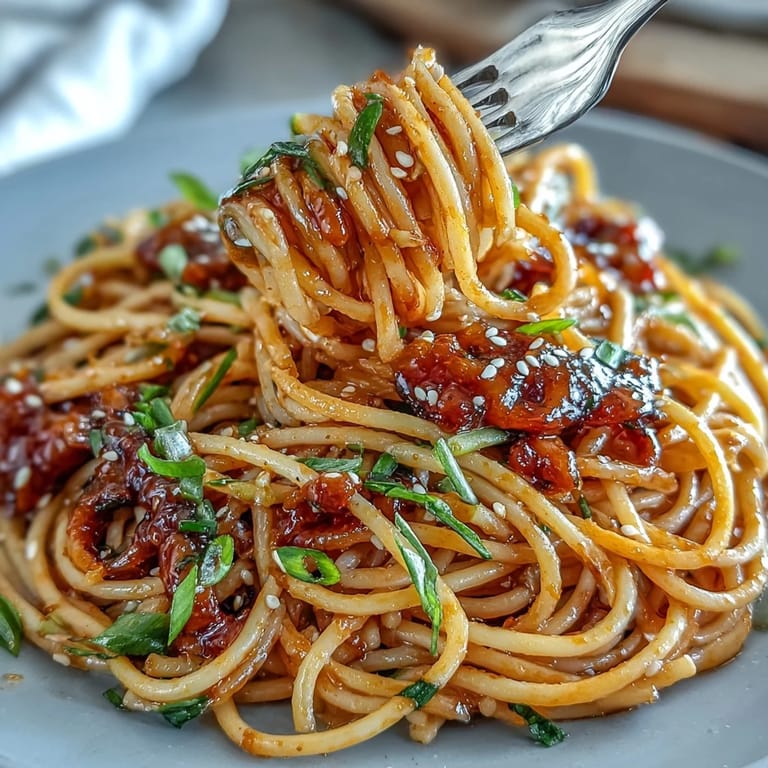
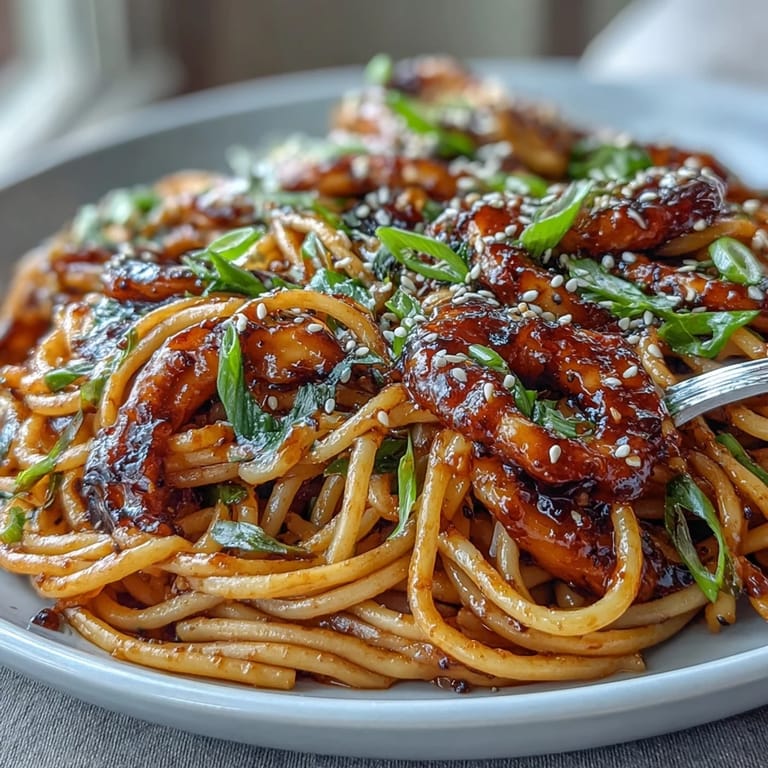
Save The aroma of sizzling garlic drifting through the kitchen makes me smile every time I start this recipe. There are days when I'm intrigued by how fusion cooking can turn everyday staples into something absolutely new vibrant and a little addictive. This gochujang butter pasta is one of those dishes that crept into my weeknight rotation after a late night dinner at a tiny Seoul-inspired café and I couldn’t shake the memory of that glossy fiery sauce. Now I love how it transforms a regular evening meal into a little adventure right at home. Every bowl feels like a nudge to try something playful with ingredients I usually have on hand.
One quiet afternoon I made this for my roommate while we were both hunched over our laptops nursing long workdays. The kitchen filled quickly with the nutty scent of butter meeting gochujang and for a few minutes our conversation faded while we savored each forkful—one of those instances when food really did lighten the mood without much effort.
Ingredients
- Spaghetti or linguine: A sturdy noodle that holds up to this rich sauce—don’t be afraid to slightly undercook so it finishes perfectly in the pan.
- Unsalted butter: The backbone of the sauce which mellows the gochujang and turns everything silky.
- Garlic: I grate mine finely for even flavor and no big bites—so much better than just mincing.
- Gochujang (Korean chili paste): The magic maker—sweet spicy and umami-packed—start small and adjust to taste if you’re new to its depth.
- Soy sauce: Adds saltiness and backbone to balance the sweet heat—use low sodium if you want more control.
- Honey or maple syrup: Just a touch for a little sheen and mellow finish—maple syrup is my go-to for extra depth.
- Pasta cooking water: Saved right before draining, this is your rescue for a glossy emulsified sauce that clings beautifully.
- Spring onions: Slice these thin for crunch and zing on top.
- Toasted sesame seeds: They don’t just look pretty but add the faintest nuttiness in every bite—toast them freshly if you can.
- Freshly ground black pepper: Goes in for a gentle bite right at the end—a few twists do the trick.
- Salt: For boiling the pasta—don’t forget it as it helps season everything from the inside out.
Tired of Takeout? 🥡
Get 10 meals you can make faster than delivery arrives. Seriously.
One email. No spam. Unsubscribe anytime.
Instructions
- Boil the pasta:
- Get your big pot going with salted water and boil the pasta until it has the perfect bite, saving a bit of that starchy water before draining.
- Sizzle garlic in butter:
- In your favorite skillet melt the butter over medium heat then sprinkle in the garlic, stirring as the perfume fills the kitchen but taking care not to brown it.
- Mix in gochujang and friends:
- Now stir in the gochujang soy sauce and honey (or maple syrup) letting everything marry for a minute until it’s glossy and smells irresistible.
- Toss and coat:
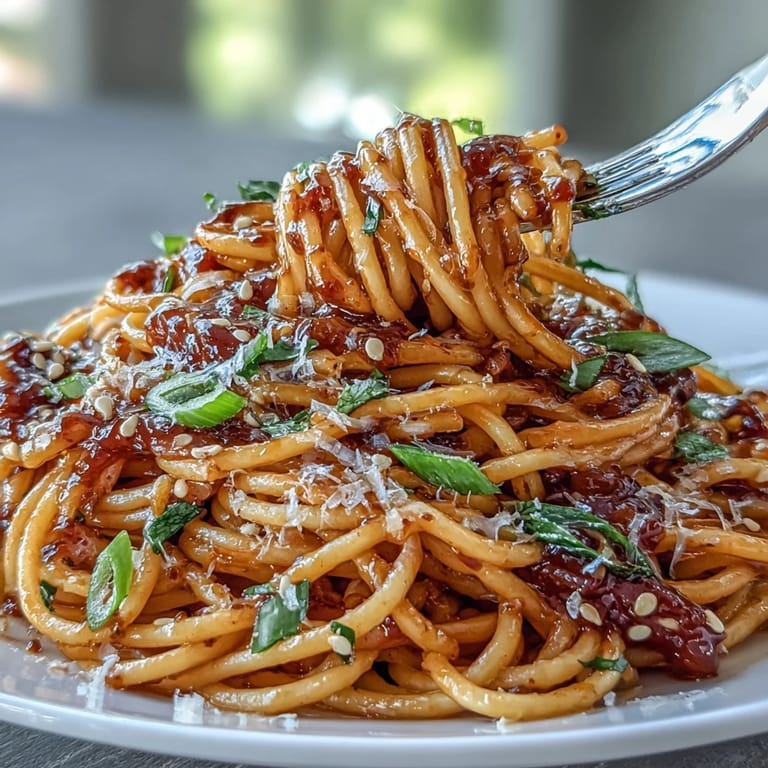
- Toss the hot pasta right into the sauce add the reserved pasta water and work it around for a couple of minutes until every strand is shiny and coated.
- Garnish and serve:
- Divide into bowls, scatter with spring onions, sesame seeds and black pepper and enjoy right away while it’s piping hot and creamy.
 Save
Save I’ll never forget when a friend plunked a soft-boiled egg right on top and it turned a simple supper into something that felt special, turning our little apartment meal into an occasion worth toasting with cheap white wine.
How to Adapt This for Any Mood
Sometimes I’ll toss in a handful of sautéed mushrooms or spinach if the crisper is begging for attention, and both fold right into the sauce as if they were always meant to be there. The flexibility is magical—try it with soba or even rice noodles for a fresh spin. If you’re feeling indulgent, extra butter never hurt.
The Little Details That Matter Most
Gochujang’s brand and heat level can differ wildly so taste as you go the first time and don’t be shy to add more or less. With maple syrup you get warmth; with honey everything leans gentle and floral. The garnish might look optional but don’t skip it—crunchy onions and sesame seeds really transform things.
Shortcut Ideas and Leftover Magic
If you’ve got leftover pasta, this reheats best with a quick splash of hot water in the pan to revive the sauce—no microwaving if you can help it. Stir-fry your favorite veggies before the butter step for a more robust meal or keep it simple and minimalist if you’re short on time. Chilled leftovers make a surprisingly fun noodle salad the next day.
- If using gluten-free pasta be gentle—some brands stick easily in the sauce.
- Use plant-based butter and maple for a vegan twist without missing the richness.
- Don’t forget a final grind of black pepper—it makes everything brighter.
 Save
Save Even on days when I barely want to cook this dish manages to gather everyone around the table—spicy warm and just familiar enough to feel like home no matter where you are. Hope it brings a little color to your evenings too.
Recipe Guide
- → How spicy is the sauce?
Gochujang brings a medium, fruity heat rather than sharp chili burn; adjusting the amount or adding more butter or honey will temper the spice to your preference.
- → Can I make this dairy-free?
Yes — swap plant-based butter and use maple syrup instead of honey. The technique of using reserved pasta water preserves the silky texture even without dairy.
- → Which pasta shape works best?
Long strands like spaghetti or linguine are ideal because the glossy gochujang-butter sauce clings to each strand, but short shapes like fusilli also trap the sauce well.
- → How can I adjust salt and umami?
Reduce soy sauce for less salt or replace with low-sodium tamari. For extra umami, add a splash of mushroom soy or a pinch of toasted seaweed flakes.
- → What add-ins complement the dish?
Sautéed mushrooms, wilted spinach, crispy tofu or a soft-boiled egg add texture and protein; finish with spring onions and toasted sesame for brightness.
- → How should leftovers be handled?
Store cooled pasta in an airtight container in the refrigerator for up to 2 days. Reheat gently in a skillet with a splash of water to revive the sauce's glossiness.