 Save
Save There's something about the smell of butter and lemon zest filling a kitchen that makes everything feel like a celebration, even if you're just baking on a random Wednesday afternoon. My first lemon tart came together almost by accident—I'd overcommitted to bringing dessert to a dinner party and found myself with three hours and a vague memory of a French patisserie I'd visited years before. The result was this stunner: a crisp, golden crust giving way to a silky, bright filling that tasted like springtime in a single bite. Now it's become my go-to when I want to feel fancy without spending all day in the kitchen.
I'll never forget my friend Marcus taking one bite and asking if I'd trained as a pastry chef in France—I had to confess I'd learned it from a friend's hastily scribbled note and pure determination. But that moment stuck with me because it proved something I'd suspected: this dessert has a way of making people feel like you've done something impossibly complicated, when really you've just mixed eggs, butter, and lemon together and let the oven do most of the work.
Ingredients
- All-purpose flour (1 1/4 cups): The foundation of your crust—it needs to be at room temperature before you start, which sounds fussy but honestly just means don't pull it from the fridge right before using it.
- Unsalted butter, cold and cubed (1/2 cup for crust): Cold butter is non-negotiable here; it creates those little pockets that turn into flaky layers, so literally cube it and stick it back in the fridge while you measure the other ingredients.
- Powdered sugar (1/4 cup): This sweetens the crust subtly and adds tenderness—use the real stuff, not the homemade version.
- Fine sea salt (1/4 tsp): A pinch that makes the butter taste more buttery and balances the eventual sweetness of the filling.
- Large egg yolk (1): This binds the dough and gives the crust a beautiful golden color, so don't skip it.
- Ice water (2–3 tbsp): The temperature matters because warm water would start melting your butter and ruin the texture you've worked to maintain.
- Large eggs and egg yolks (3 eggs plus 2 yolks): These create that silky custard filling—the yolks especially add richness and a deeper yellow color.
- Granulated sugar (1 cup): It sweetens the filling and dissolves into the eggs to create that signature smooth texture.
- Freshly squeezed lemon juice (2/3 cup): Bottled juice will make it taste flat, so squeeze your own—three to four lemons usually does the trick.
- Lemon zest (2 tsp): Use a microplane grater and only get the yellow part; the white pith underneath is bitter and will ruin the brightness you're going for.
- Unsalted butter, melted (1/2 cup): This gets whisked into the filling and adds luxurious richness—let it cool slightly so it doesn't scramble your eggs.
- Powdered sugar for dusting: A final flourish that looks elegant and adds a subtle sweetness to each bite.
Tired of Takeout? 🥡
Get 10 meals you can make faster than delivery arrives. Seriously.
One email. No spam. Unsubscribe anytime.
Instructions
- Make the dough:
- Pulse flour, powdered sugar, and salt together in a food processor until it looks like fine sand, then add your cold butter cubes and pulse until the texture reminds you of coarse breadcrumbs. Add the egg yolk and two tablespoons of ice water, pulsing gently until the dough just begins to hold together—if it's still crumbly, add that extra tablespoon of water one teaspoon at a time.
- Rest the dough:
- Flatten the dough into a disk, wrap it tightly in plastic, and tuck it into the fridge for at least thirty minutes (or up to overnight). This resting time lets the gluten relax and the butter stay cold, which means a more tender, flakier crust.
- Blind bake the crust:
- Roll your dough out to fit a nine-inch tart pan, pressing it gently into the corners and up the sides, then trim the edges even with the rim. Prick the base all over with a fork, line it with parchment paper, and fill it with pie weights or dried beans to keep it from puffing up.
- Partially bake:
- Bake at 350°F (175°C) for fifteen minutes, then carefully remove the weights and parchment—you'll see the crust has set and started to turn pale gold. Bake for another ten minutes until it's lightly golden and smells like toasted butter, then set it on a cooling rack while you prepare the filling.
- Whisk the filling:
- In a large bowl, whisk together eggs, egg yolks, sugar, lemon juice, lemon zest, melted butter, and a pinch of salt until it's completely smooth and pale yellow. Take your time here—about two minutes of whisking—because this is what creates that silky texture.
- Fill and bake:
- Pour the filling into your still-warm crust (the warmth helps it set evenly) and slide it back into the oven for twenty to twenty-five minutes. You want the center to look just barely set with a tiny amount of jiggle when you gently shake the pan—it will continue cooking slightly as it cools and you don't want it rubbery.
- Cool completely:
- Let the tart cool all the way down on a wire rack, which takes about an hour, then refrigerate for at least two hours (overnight is even better). This helps the filling set completely and makes it easier to slice cleanly.
- Finish and serve:
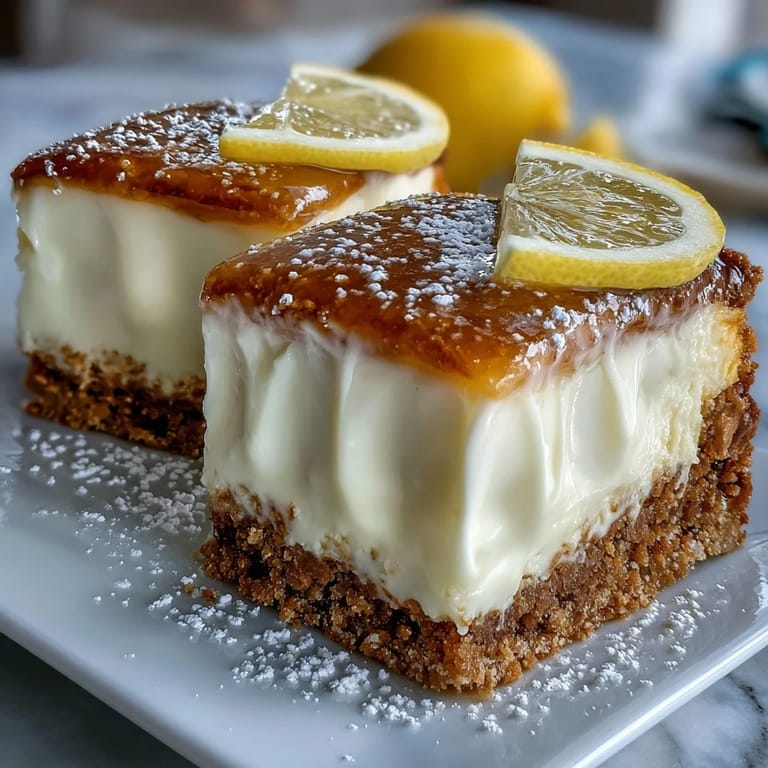
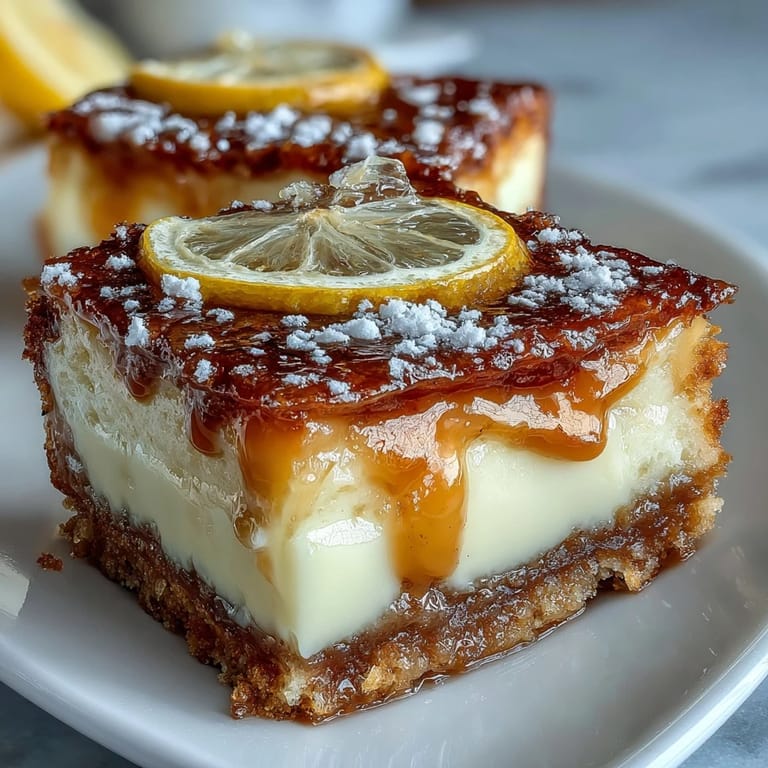
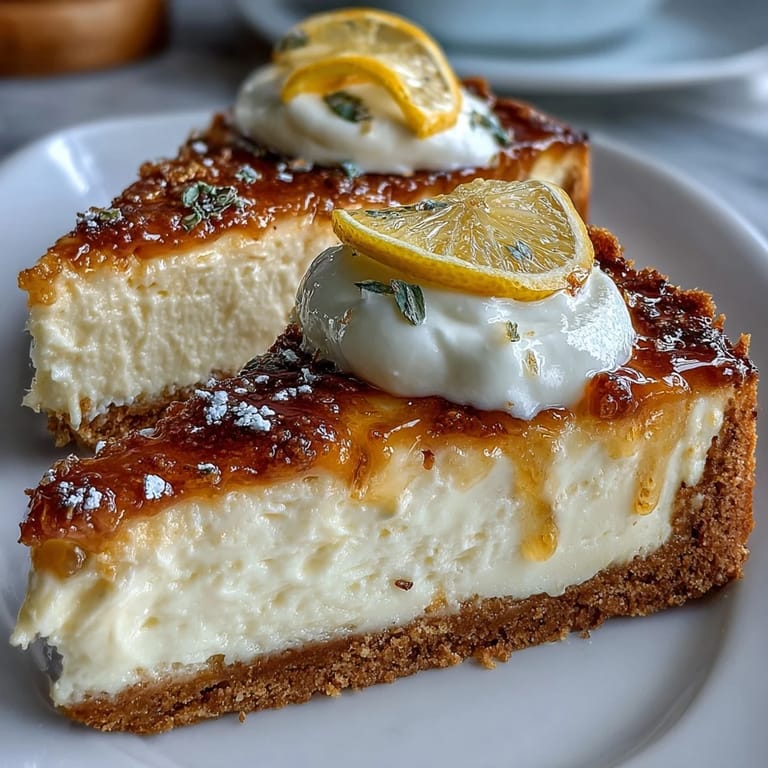
- Just before serving, dust generously with powdered sugar and add your choice of thin lemon slices, fresh berries, or mint leaves for color.
 Save
Save There was an evening when I made this tart for a small gathering, and halfway through the meal, someone asked if I'd bought it from a bakery. The joy I felt in that moment wasn't about taking credit—it was about realizing I'd created something that brought genuine pleasure to the table, that made people slow down and savor a bite instead of rushing through dessert. That's when this tart stopped being just a recipe and became a small act of kindness delivered on a plate.
Why This Tart Deserves Your Time
Lemon tarts occupy this perfect space between simple and sophisticated where the ingredients do the talking instead of fancy techniques. You're not dealing with temperamental soufflés or fiddly chocolate work—just good butter, fresh eggs, and bright lemon coming together into something elegant. The real skill is in understanding the texture you're aiming for and not overthinking it, which is honestly more forgiving than it sounds once you've made it once.
The Crust: Getting It Right
The pastry crust is where beginners often second-guess themselves, but here's the secret: you're not making pie dough, you're making shortbread that happens to be shaped like a crust. Everything is about keeping the butter cold and your hands quick so the butter stays in distinct little pieces rather than getting rubbed into a smooth paste. If your kitchen is warm, chill your bowl and even your fingertips before you start—I'm not joking, it genuinely helps.
Flavor Variations and Substitutions
While the classic lemon version is perfect as-is, this formula is flexible enough to follow your mood and what you have on hand. Blood orange brings a deeper, slightly spicier note, or you can blend lemon with a little lime juice for complexity without changing the structure. Some cooks add a teaspoon of vanilla or a pinch of ground ginger to the filling, which sounds like it would clash but actually whispers underneath the lemon rather than shouting. Consider these variations as gentle suggestions rather than rules—the foundation is sturdy enough to handle experimentation.
- Swapping in lime juice for half the lemon creates a different but equally delicious brightness.
- A tiny grating of fresh nutmeg added to the filling adds warmth that catches people by surprise in the best way.
- If you want it sweeter, add two extra tablespoons of sugar to the filling (though I'd encourage you to taste as-is first because the tartness is what makes it special).
 Save
Save This tart has a way of becoming a signature dish—something people start requesting, something that becomes synonymous with you and your kitchen. Make it once and you'll understand why it's been a French favorite for generations.
Recipe Guide
- → What type of crust is best for lemon tart?
A crisp, buttery shortcrust pastry provides the perfect texture and flavor contrast to the bright lemon filling.
- → How can I tell when the tart filling is set?
The center should be just set but still slightly wobbly to ensure a creamy, smooth consistency once cooled.
- → Can the tart be made ahead of time?
Yes, chilling the tart for at least 2 hours before serving helps develop flavors and achieve the proper texture.
- → What variations can I use for lemon juice?
You can substitute blood orange or lime juice for a unique twist on the tart’s citrus flavor.
- → How should I store the tart after baking?
Keep it refrigerated to maintain freshness, especially since it contains eggs and butter in the filling.