 Save
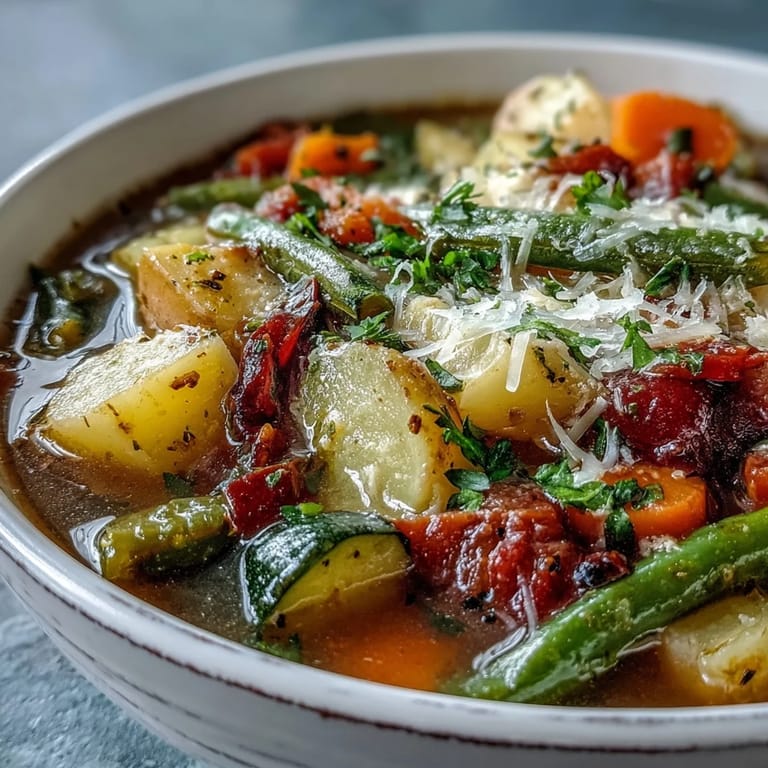
Save My neighbor casually mentioned she'd been making this Parmesan vegetable soup every week, and I was skeptical until she brought over a steaming bowl on a rainy Tuesday. The first spoonful hit different, and I realized the secret wasn't complicated, it was just good technique and patience. That rind floating in the pot sounded fancy but turned out to be the kind of small thing that separates a forgettable soup from something you crave. I asked for her method right there at the kitchen counter, and she laughed, saying it was just vegetables, broth, and a little Parmesan magic.
I made this for my dad after he mentioned missing good home cooking, and watching his face when he tasted that first spoonful told me everything. He asked for seconds before finishing his bowl, then asked if I'd written down what I did because he wanted to try it himself. That moment, standing in the kitchen while he ate, felt like I'd actually figured something out beyond just following steps.
Ingredients
- Olive oil: You need just enough to coat the bottom of the pot, around 1 tablespoon, which gives the onions and garlic a proper foundation without making the soup greasy.
- Onion, garlic, carrots, celery: This trio is where the soup gets its backbone, so don't skip the sauté step; it's where flavors actually wake up.
- Zucchini, potato, green beans: Mix different textures and colors, choosing vegetables based on what's in season and what looks fresh at the market.
- Diced tomatoes: Canned works just as well as fresh here, saving you time while adding acidity that balances the richness.
- Vegetable broth: This is your canvas, so use good quality broth or the whole soup suffers for it.
- Parmesan cheese: Freshly grated makes an actual difference in how it melts and tastes; pre-shredded feels like taking shortcuts.
- Parmesan rind: This is optional but worth keeping from your wedges since it dissolves into the broth and adds umami depth you can't fake.
- Dried Italian herbs: A teaspoon of dried herbs scattered through gives consistent flavor without hunting for fresh sprigs.
- Salt and pepper: Don't measure these too strictly; taste as you go and adjust to your preference.
- Fresh parsley: This comes at the very end as a bright garnish, cutting through the richness with freshness.
Tired of Takeout? 🥡
Get 10 meals you can make faster than delivery arrives. Seriously.
One email. No spam. Unsubscribe anytime.
Instructions
- Start with heat and aroma:
- Pour olive oil into your pot over medium heat and let it warm for just a moment. When you add the chopped onion and minced garlic, you should hear a gentle sizzle and smell that sweet, savory fragrance building up.
- Build the vegetable base:
- Once the onion turns translucent and soft, add your carrots, celery, zucchini, potato, and green beans, stirring gently for about 5 minutes. You're not cooking them through yet, just waking them up and letting them soften slightly.
- Pour in the liquid and seasonings:
- Add the diced tomatoes with all their juice, then pour in the vegetable broth. Sprinkle in the dried herbs, salt, pepper, and add that Parmesan rind if you have it, letting everything settle together.
- Simmer until vegetables are tender:
- Bring the pot to a gentle boil, then lower the heat and cover it, letting the soup simmer for 25 to 30 minutes. The vegetables will soften and the flavors will start dancing together, and you'll know it's ready when a fork slides through a piece of potato without resistance.
- Add the Parmesan magic:
- Fish out the Parmesan rind if you used it, then stir in the grated cheese slowly, watching it melt into the hot broth and create this silky, creamy texture. Taste a spoonful and adjust the salt and pepper, remembering that Parmesan is already salty.
- Serve with purpose:
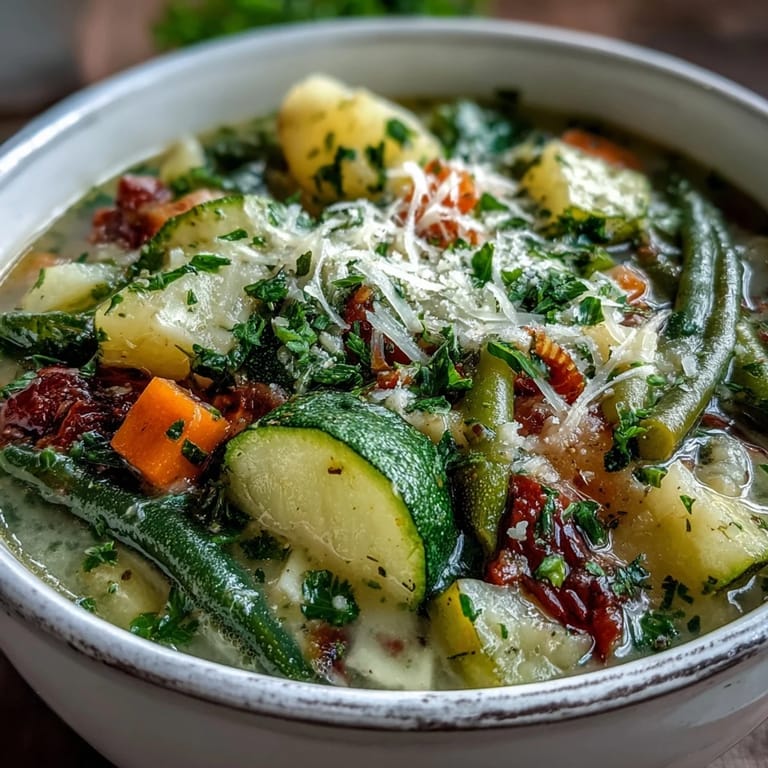
- Ladle the soup into bowls while it's still steaming, then finish each bowl with a scatter of fresh parsley and an extra pinch of Parmesan. The warm soup, the fresh herb brightness, and that cheese garnish should work together.
 Save
Save There's something about vegetable soup that makes people slow down and actually sit at the table instead of eating standing up. Once my sister tasted this, she started making it on Sundays, and now it's become this small tradition where we text about what vegetables we're throwing in that week.
When to Add Extras
If you want to make this soup heartier and more substantial, you have easy options that don't complicate the process. I've added small pasta shapes during the last 10 minutes of simmering, letting them cook right in the broth so they absorb all that savory Parmesan flavor. You could also stir in canned white beans or chickpeas for protein, or even a handful of spinach at the very end, which wilts in seconds and adds color.
Storage and Reheating
This soup keeps beautifully in the fridge for up to four days, and honestly tastes even better the next day when flavors have had time to settle. Reheat it gently over medium heat, stirring occasionally, and add a splash of broth if it's thickened too much from sitting, since the vegetables continue absorbing liquid as it cools.
Serving Suggestions and Variations
Crusty bread is non-negotiable here, something with a good crust that you can dip into the broth without it falling apart. The soup works warm in winter or chilled in summer, though you might want to taste and re-season if you serve it cold since chilling mutes flavors slightly.
- For a vegan version, skip the Parmesan and use a plant-based alternative, or finish with a splash of good olive oil and nutritional yeast for that savory depth.
- Keep a Parmesan rind in the freezer just for soups and broths, tossing it in whenever you're making something that could use extra umami.
- Serve with fresh basil on top instead of parsley if that's what you have, or even a drizzle of your best olive oil as a final touch.
 Save
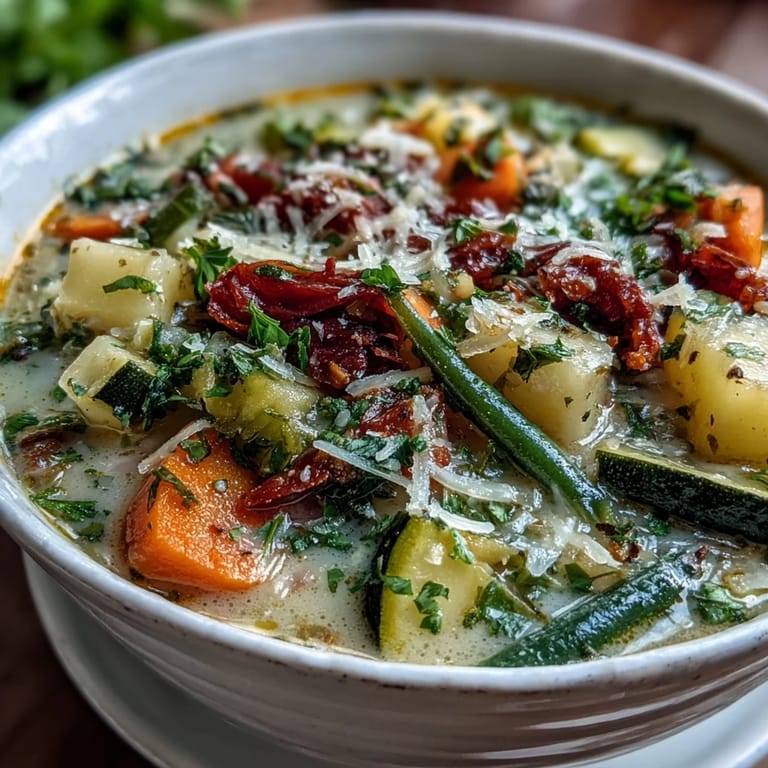
Save This soup has become my answer to so many different moments, whether someone needs comfort food or you're just tired of deciding what to make. It proves that simple, honest cooking done with attention actually tastes remarkable.
Recipe Guide
- → Can I freeze this soup?
Yes, this soup freezes well for up to 3 months. Cool completely before storing in airtight containers. Thaw overnight in the refrigerator and reheat gently on the stove, adding a splash of broth if needed.
- → What vegetables work best?
Carrots, celery, zucchini, potatoes, and green beans provide classic flavors. Feel free to add spinach, kale, or bell peppers. Root vegetables like parsnips or turnips also work beautifully in this hearty broth.
- → Is the Parmesan rind necessary?
Not essential, but highly recommended for extra depth. Save rinds from wedges in your freezer. Simmering releases incredible umami that makes the broth taste like it cooked for hours. Simply remove before serving.
- → How can I make this more filling?
Stir in 1/2 cup cooked small pasta, canned beans, or diced potatoes during the last 10 minutes of simmering. For protein lovers, shredded chicken or white beans transform this into a complete one-bowl meal.
- → What should I serve with this?
Crusty garlic bread, focaccia, or a slice of rustic Italian loaf are perfect for soaking up the cheesy broth. A simple green salad with balsamic vinaigrette provides fresh contrast to the warm, savory soup.
- → Can I make this dairy-free?
Use vegan Parmesan or nutritional yeast for cheesy flavor without dairy. The soup remains delicious thanks to the aromatic vegetables and herbs. Add a splash of coconut milk or cashew cream for richness if desired.