 Save
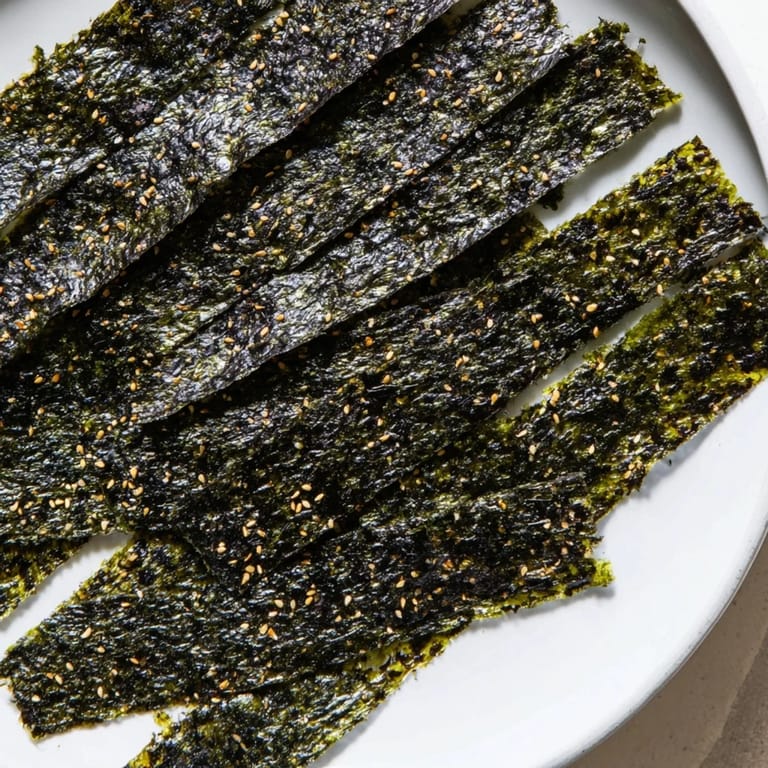
Save I started making these seaweed chips on a whim after burning through yet another bag of store-bought ones in a single sitting. The crinkly sheets looked intimidating at first, but once I brushed on that first gloss of sesame oil, I realized how simple they really were. My kitchen smelled like the ocean for hours afterward, in the best possible way. Now I keep a stack of nori in the pantry just in case the craving hits. They disappear faster than I can make them.
I brought a batch to a movie night once, expecting them to sit untouched next to the popcorn. Instead, everyone kept reaching for the seaweed chips, asking what they were and how I made them. One friend even texted me the next day for the recipe. Its funny how something so minimal can steal the show just by being itself.
Ingredients
- Dried nori sheets: Look for sushi-grade nori that feels smooth and intact, not torn or damp, because fresher sheets crisp up beautifully without any chewiness.
- Toasted sesame oil: This is where all the nutty, roasted flavor comes from, so dont skip it, but you can swap in olive oil if sesame isnt your thing.
- Fine sea salt: A light sprinkle is all you need since nori already has a natural brininess that shines through with just a little help.
Tired of Takeout? 🥡
Get 10 meals you can make faster than delivery arrives. Seriously.
One email. No spam. Unsubscribe anytime.
Instructions
- Prep your setup:
- Preheat the oven to 300°F and line a baking sheet with parchment so nothing sticks. Keep your oil, salt, and brush within arms reach because this moves quickly.
- Layer and season:
- Place one nori sheet shiny side down, brush the top with sesame oil, sprinkle with salt, then press another sheet on top and repeat. Youll end up with three stacked pairs that hold together beautifully.
- Cut into pieces:
- Use kitchen scissors or a sharp knife to slice each pair into strips or squares about two inches wide. Theyre easier to handle and more fun to eat this way.
- Roast until crisp:
- Spread the pieces in a single layer without overlapping and roast for six to eight minutes, watching closely. Theyll darken slightly and become paper-thin and crunchy.
- Cool and store:
- Let them cool completely on the sheet before touching them, or theyll crumble. Once cool, store in an airtight container to keep them from going soft.
 Save
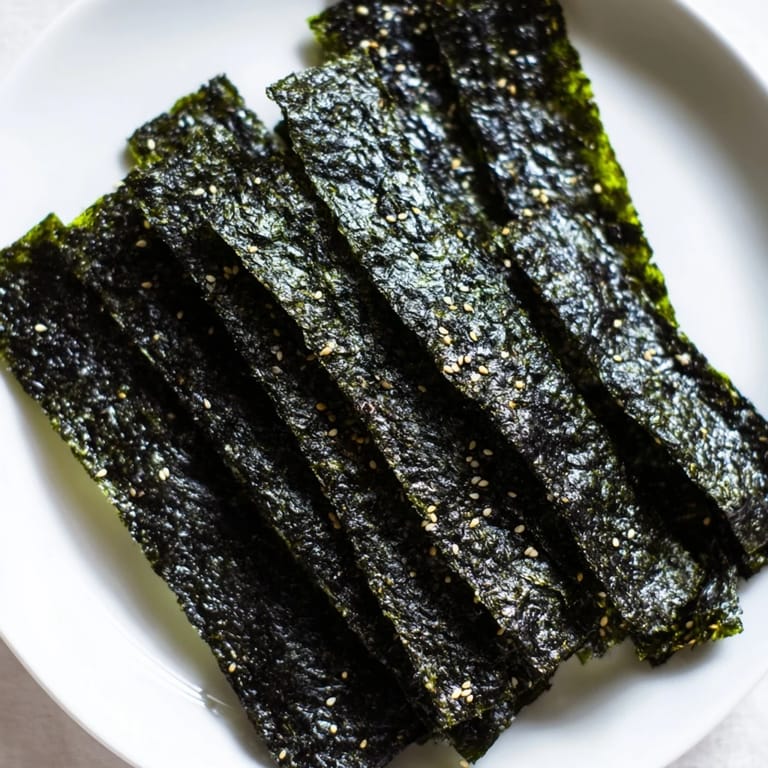
Save There was an afternoon when I was too tired to cook anything real, so I made a huge batch of these and ate them with plain rice and a fried egg. It felt like the kind of meal that shouldnt work, but somehow it was exactly what I needed. Seaweed has this way of making even the simplest things feel intentional.
Flavor Variations I Actually Use
Sometimes I dust them with garlic powder or a pinch of chili flakes before roasting, and it changes the whole vibe without any extra effort. Furikake seasoning is another favorite because it adds sesame seeds, dried fish, and a hint of sweetness all at once. You can also crumble the finished chips over salads, rice bowls, or ramen for a salty, crunchy topping that beats any store-bought garnish.
Why This Method Works So Well
Roasting at a low temperature lets the moisture evaporate slowly without scorching the delicate sheets. Layering two sheets together gives you more structure and a sturdier chip that doesnt fall apart the second you pick it up. The sesame oil seeps into every crinkle, coating the surface evenly so every bite tastes rich and toasted instead of plain or bland.
Serving and Storage Tips
These are best eaten the same day, but if you seal them up tight, theyll stay crisp for a day or two. I like to keep them on the counter in a glass jar so I remember theyre there, otherwise they get forgotten in the back of a cabinet. If they do soften, a quick minute in a low oven brings them back to life.
- Serve them alongside sushi, poke bowls, or miso soup for a cohesive meal.
- Pack them in a small container for work or road trips since they travel well and dont need refrigeration.
- Crumble any broken pieces over scrambled eggs or avocado toast for an unexpected umami boost.
 Save
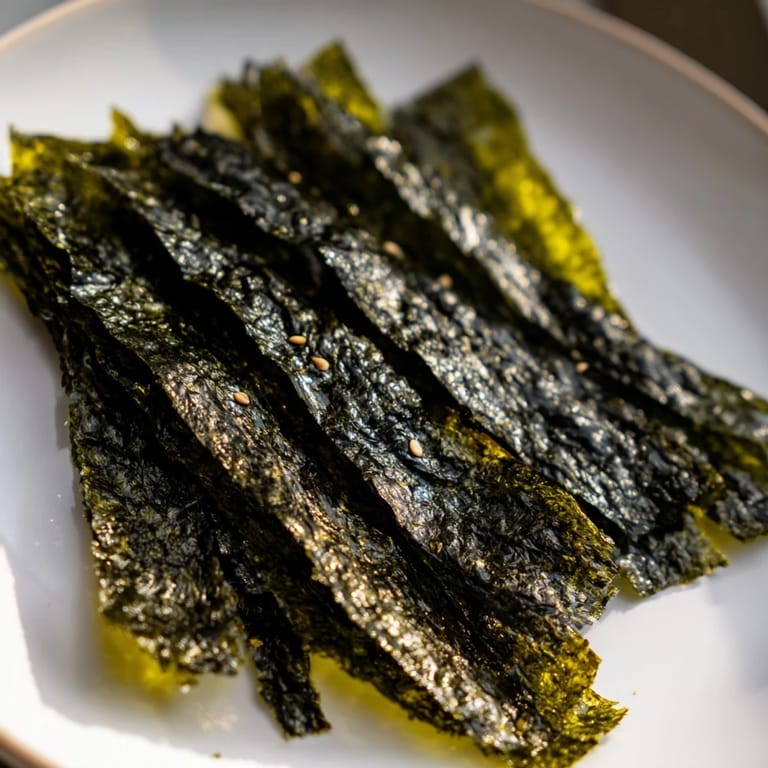
Save Once you make these a few times, youll stop buying the packaged kind altogether. Theres something satisfying about pulling a tray of crackling seaweed out of the oven and knowing you did it yourself in less time than it takes to preheat for anything else.
Recipe Guide
- → What type of seaweed is best for these chips?
Sushi-grade dried nori sheets are preferred for their texture and flavor, ensuring crispness when roasted.
- → Can I use different oils besides sesame oil?
Yes, neutral oils like olive or avocado oil work well and can be substituted to suit taste or dietary needs.
- → How do I ensure the chips stay crispy after roasting?
Allow the chips to cool completely before storing them in an airtight container to maintain their crunchiness.
- → Is there a way to add extra flavor to the seaweed chips?
Sprinkling spices such as chili flakes, garlic powder, or furikake seasoning before roasting adds delightful complexity.
- → What oven temperature is ideal for roasting the seaweed chips?
Roasting at 300°F (150°C) ensures a crispy texture without burning, typically roasting for 6–8 minutes.