 Save
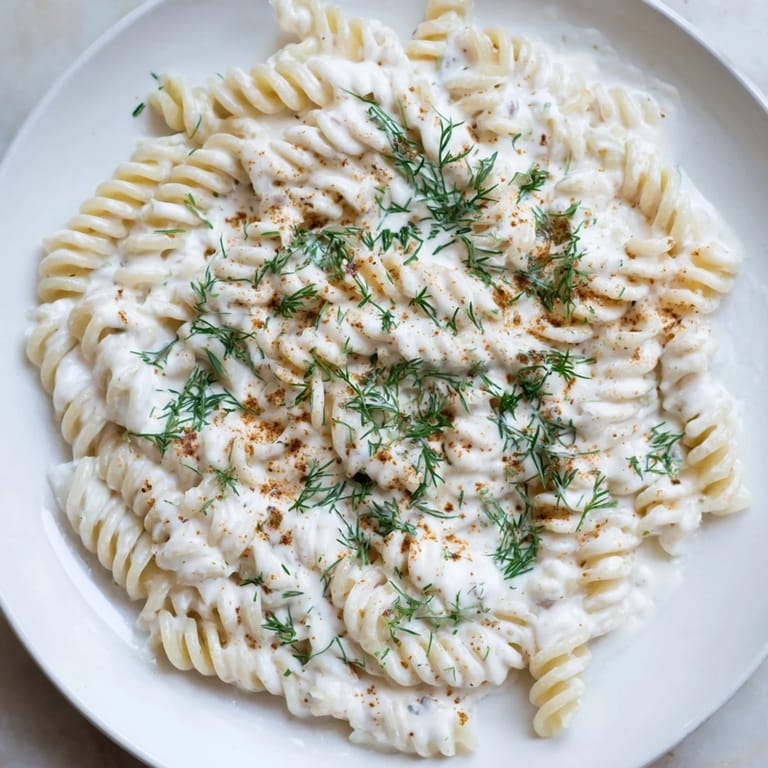
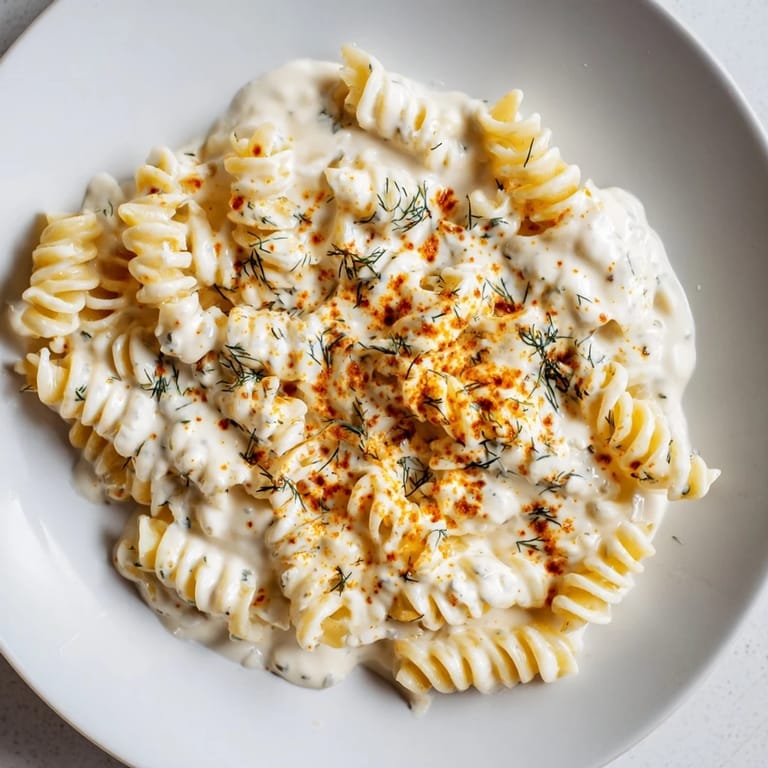
Save There's something about the smell of butter hitting a hot pan that makes you pause mid-conversation, and that's exactly what happened the first time I made Turkish yogurt pasta. A friend had just described this dish from Istanbul—the way the cool, tangy yogurt clings to warm pasta, then gets topped with this nutty, paprika-tinged butter that pools in the center of the bowl. I was skeptical it could be that simple and that good, but twenty-five minutes later, I understood why she wouldn't stop talking about it.
I made this for my partner on a night when the kitchen was too hot to cook anything complicated, and they asked for seconds before finishing their first bowl. That's when I realized this dish had the rare quality of feeling both light and deeply satisfying—the kind of meal that sticks with you, not from heaviness, but from the sharpness of garlic and the whisper of mint in the butter.
Ingredients
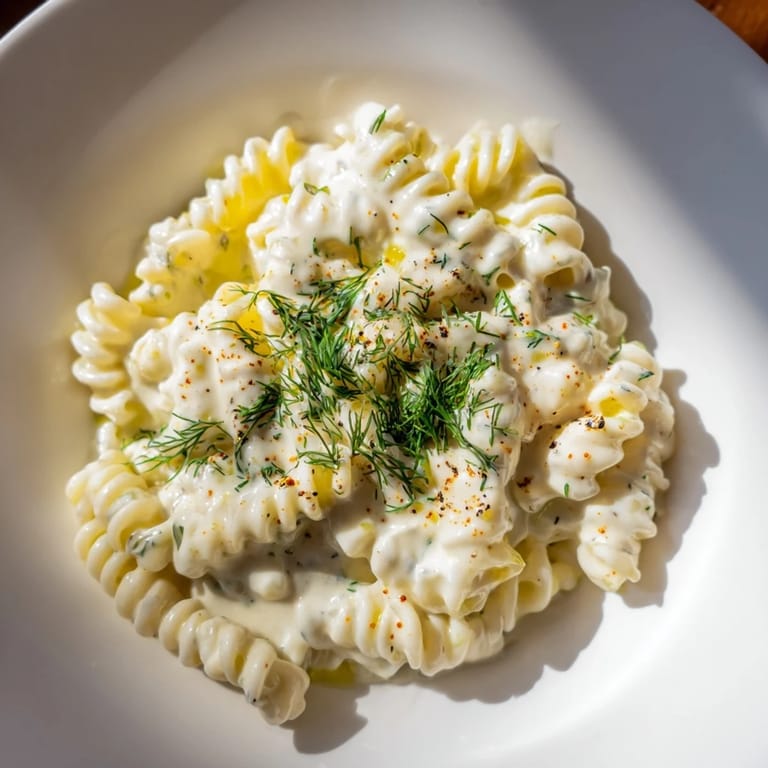
- Dried pasta (fusilli or penne): Go for 400g of a shape that catches sauce—these curly or tube shapes hold the yogurt better than spaghetti would, and they're sturdy enough not to clump.
- Full-fat Turkish or Greek yogurt: This is where the dish lives or dies; the higher the fat content, the creamier the sauce becomes, and you'll taste the difference in every spoonful.
- Garlic: Two cloves, finely minced, will perfume the yogurt without overwhelming it—mince them small so they dissolve into the sauce rather than sitting as chunks.
- Salt: Use it generously for the pasta water; this is your only real seasoning for the pasta itself, so don't hold back here.
- Unsalted butter: 60g is the right amount to create a glossy pool on top without drowning everything; it's the crown jewel of this dish.
- Olive oil: A tablespoon stretches the butter further and keeps it from solidifying as it cools, helping the spices bloom evenly.
- Sweet paprika and Aleppo pepper: These two create warmth and depth without heat—Aleppo pepper especially has this fruity, almost sweet quality that regular red pepper flakes don't have.
- Dried mint: Optional but worth hunting for; a quarter teaspoon adds a whisper of something that makes people pause and wonder what it is.
- Fresh dill or parsley: A handful scattered on top brings brightness and a reminder that this is a spring-forward dish, no matter the season.
Tired of Takeout? 🥡
Get 10 meals you can make faster than delivery arrives. Seriously.
One email. No spam. Unsubscribe anytime.
Instructions
- Get the pasta water ready:
- Fill a large pot with water, salt it as much as the sea, and bring it to a rolling boil that doesn't stop when you add the pasta. This pasta water is your safety net—it'll help loosen the yogurt sauce and bind everything together, so reserve 2 tablespoons before draining.
- Cook the pasta to al dente:
- Follow the package time but taste it a minute before that mark; you want it tender but still with a whisper of resistance when you bite it. Warm pasta matters here because it needs to blend with cool yogurt, not cool it down entirely.
- Whisk the yogurt sauce until smooth:
- In a bowl, combine the yogurt, minced garlic, and salt, whisking until there are no lumps. If the yogurt feels too thick and stiff, loosen it with a spoonful or two of that reserved pasta water until it has the texture of soft serve ice cream.
- Bloom the spices in butter:
- Melt the butter with olive oil in a small saucepan over medium heat, then add paprika, Aleppo pepper, and mint if you have it. Let it bubble gently for about a minute until it smells deep and toasty—this is when you know the spices have given everything they have.
- Bring it all together:
- Toss the warm pasta with the yogurt sauce in the pot or a large bowl, working gently so every strand gets coated. Divide among bowls, then drizzle each one with the spiced butter right before serving so it pools on top and stays warm.
 Save
Save The first time my grandmother tasted this, she closed her eyes for a moment and said it reminded her of something her mother used to make, though not quite the same. There's something about the combination of cool and warm, tangy and rich, that speaks to something ancient in how we eat—pasta dressed simply, made generous with good dairy, eaten without fuss. That moment made me understand that the best recipes aren't the ones that are hardest to execute; they're the ones that feel like they've always existed.
Why This Works as Comfort Food
Turkish yogurt pasta doesn't announce itself or demand attention; it just nourishes you quietly and thoroughly. The yogurt cools your mouth while the butter warms your belly, and the garlic and paprika remind you that simple ingredients, when chosen well and treated with respect, don't need much help. This is the kind of dish you'd make on a Tuesday night without thinking twice, and the kind you'd remember a month later when you're hungry for something true.
Variations and Personal Touches
Once you've made this a few times and know how it tastes, you start seeing it differently. Some nights I add a handful of crispy chickpeas for texture, or a squeeze of lemon just before serving to heighten the yogurt's tang. Other times I've stirred in some sautéed zucchini or eggplant, though technically that's a different dish. The beauty here is that the yogurt and spiced butter are sturdy enough to play well with almost anything you want to add, as long as you don't overthink it.
Making It Your Own
The first rule of this recipe is that it's not sacred—it's a template, and templates are meant to be lived with, not obeyed. If you love heat, add more Aleppo pepper or finish with a pinch of cayenne. If mint speaks to you more than dill, use more of it, either in the butter or fresh on top. The only non-negotiable is the yogurt's quality and the warmth of the pasta; everything else is you and your kitchen having a conversation.
- Toast some pine nuts in a dry pan and scatter them over the top for crunch that echoes Turkish kitchen traditions.
- Finish with a squeeze of fresh lemon juice right before eating if you want to amplify the yogurt's sourness and cut through the richness.
- Try swapping the dried mint for za'atar for a different flavor story, though you've officially moved into creative territory at that point.
 Save
Save This is the kind of recipe that improves your life not by being revolutionary, but by being reliably, quietly delicious. Make it once and you'll make it again.
Recipe Guide
- → What type of pasta works best for this dish?
Fusilli or penne are preferred as their shapes hold the creamy yogurt sauce well, enhancing every bite.
- → How can I adjust the sauce consistency?
If the yogurt sauce feels too thick, thin it gently with a bit of reserved pasta cooking water to achieve a smooth texture.
- → Can I substitute Aleppo pepper in the spiced butter?
Mild chili flakes can be used as a substitute if Aleppo pepper is unavailable, maintaining a gentle heat and aroma.
- → What garnish enhances the flavors?
Chopped fresh dill or parsley adds a bright herbal note, perfectly complementing the creamy and spiced elements.
- → Is this dish suitable for vegetarians?
Yes, it uses no meat and combines dairy and plant-based ingredients to create a satisfying vegetarian option.