 Save
Save I'll never forget the evening I discovered this board at a tiny Tokyo izakaya tucked between neon signs and sake bottles. The chef arranged dark mushrooms, glossy seaweed, and jewel-like pickles with such intention that I couldn't resist asking for the recipe. Years later, I recreated it in my own kitchen, and it became the dish I reach for whenever I want to transport people somewhere magical without leaving my dining room.
I remember my friend Sarah's face when she first tried this board at a dinner party last spring. She went quiet for a moment, then started layering pickled daikon with black garlic and mushroom, and I watched her eyes light up as if she'd cracked some delicious code. That's when I knew this board wasn't just food, it was a conversation starter.
Ingredients
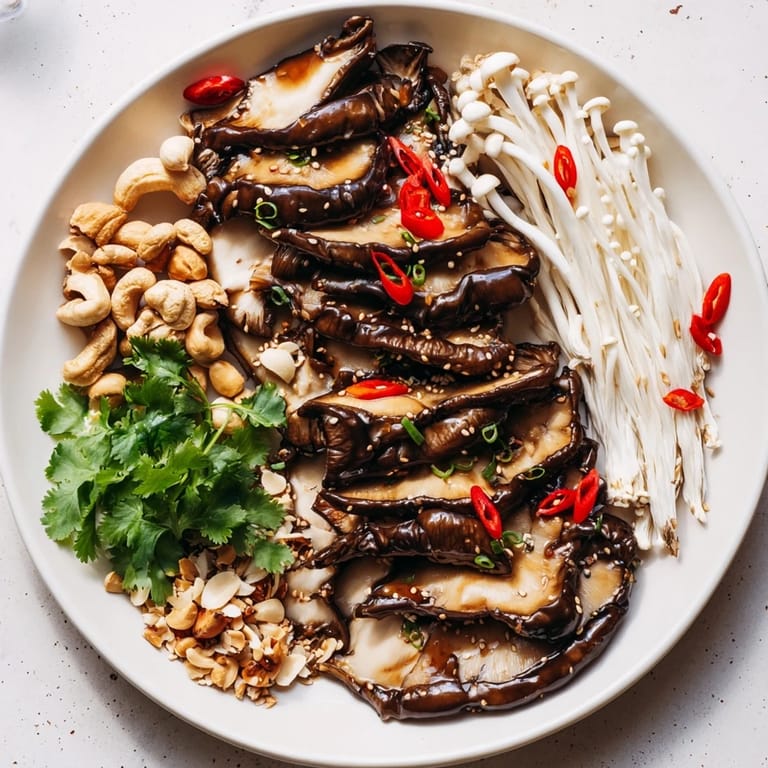
- Shiitake mushrooms, 200 g sliced: These are the backbone of umami here, and slicing them thin means they'll caramelize beautifully in minutes. Don't skip the sauté, it's where the magic happens.
- King oyster mushrooms, 150 g sliced: They have a meaty texture that makes you forget you're eating vegetables. Slice them on the bias for those elegant overlapping fans.
- Enoki mushrooms, 100 g trimmed: The delicate ones that look like tiny blonde hair. A quick blanch softens them just enough without making them mushy.
- Sesame oil, 1 tbsp: Use the good stuff here, it's your secret weapon for depth. The aroma alone will make people think you've been cooking for hours.
- Soy sauce, 1 tbsp (tamari for gluten-free): This seasons the mushrooms while they cook, building layers of salty umami goodness.
- Mirin, 1 tsp optional: A touch of sweet-savory that rounds everything out. I learned to include it after one batch tasted too austere.
- Roasted seaweed snacks, 8-10 sheets: These are your crispest, most theatrical element. Arrange them in fans and watch people gravitate to them first.
- Seasoned seaweed salad, 50 g: The oily, tender counterpoint to the crispy seaweed. It's umami in its most unapologetic form.
- Nori, 1 sheet cut into strips: Adds visual contrast and that ocean-forward flavor that ties everything together.
- Pickled daikon radish, 100 g sliced: The sharp, clean brightness that cuts through all the richness. I learned to always drain it well so it doesn't weep onto your beautiful board.
- Pickled ginger, 100 g: The little flavor bombs that keep people coming back for another dip and taste.
- Edamame, 60 g shelled and steamed: Gentle pops of green that add life to the arrangement and a buttery sweetness that surprises.
- Black garlic cloves, 40 g peeled: These are fermented for weeks until they're sweet and almost chewy. They're the sophistication on this board.
- Fermented black beans, 40 g rinsed and drained: Salty, funky, and absolutely essential for authentic depth. Rinsing prevents them from turning the whole board dark.
- Roasted cashews or peanuts, 80 g: Crunch is non-negotiable. Choose one or do both for texture contrast.
- Fried shallots, 40 g: The textural surprise that keeps things interesting. They'll get softer as the board sits, so add them last.
- Fresh coriander, 1 small bunch leaves picked: The herbaceous lift that makes everything feel fresh and alive.
- Chives, 1 small bunch finely chopped: A whisper of onion flavor that adds sophistication without overwhelming.
- Red chili, 1 thinly sliced optional: For those who want heat to join the party. The visual drama is worth it even if people go easy on it.
- Ponzu sauce, 60 ml: Bright, citrusy, and traditionally Japanese. This is your main dipping partner.
- Spicy sesame dressing, 60 ml: Nutty, creamy, and with a kick. It brings everything together in a completely different way than ponzu.
Tired of Takeout? 🥡
Get 10 meals you can make faster than delivery arrives. Seriously.
One email. No spam. Unsubscribe anytime.
Instructions
- Prepare your canvas:
- Get your largest, most beautiful serving board or platter ready. This is what people will remember, so choose something with real presence. If you're worried about stains, line it with parchment paper that you can remove later.
- Sauté the shiitake and king oyster:
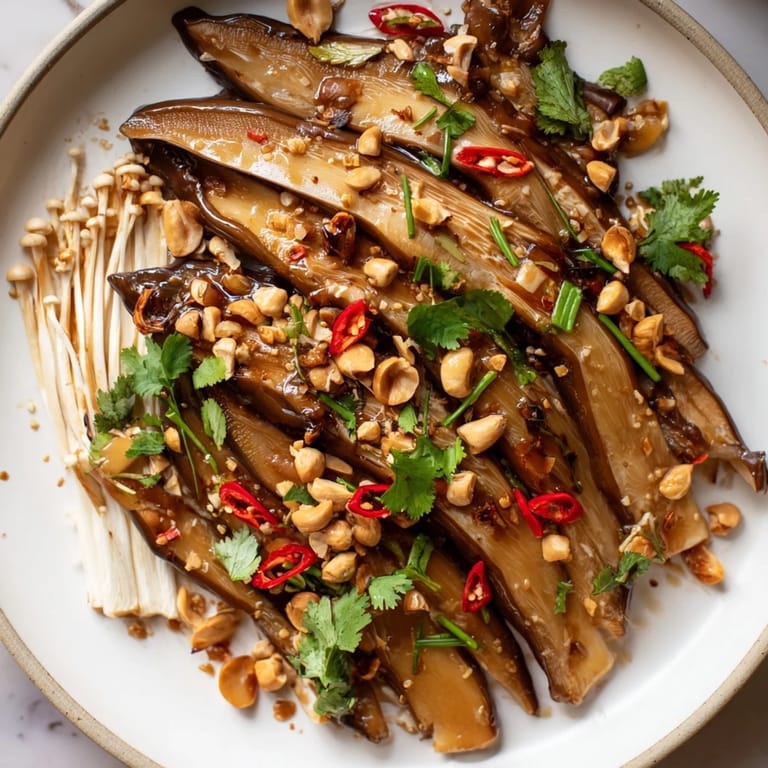
- Heat sesame oil in a skillet over medium-high heat until you can smell its warm, toasted aroma. Lay your mushroom slices in without crowding the pan. Let them sit for a minute so they develop a golden crust before stirring. After 4 to 5 minutes, they should smell incredible and look caramelized. Add soy sauce and mirin, toss everything together, and cook for one more minute. The kitchen will smell like a Tokyo restaurant. Transfer to a plate and let them cool completely, which takes about 10 minutes.
- Quick blanch the delicate enoki:
- Bring a small pot of water to a rolling boil. Drop in your trimmed enoki mushrooms and give them exactly 30 seconds, no more. They'll go from raw to just tender. Drain them in a fine sieve and spread them on a plate to cool. This step seems tiny but it makes them tender enough to enjoy.
- Arrange your first fan:
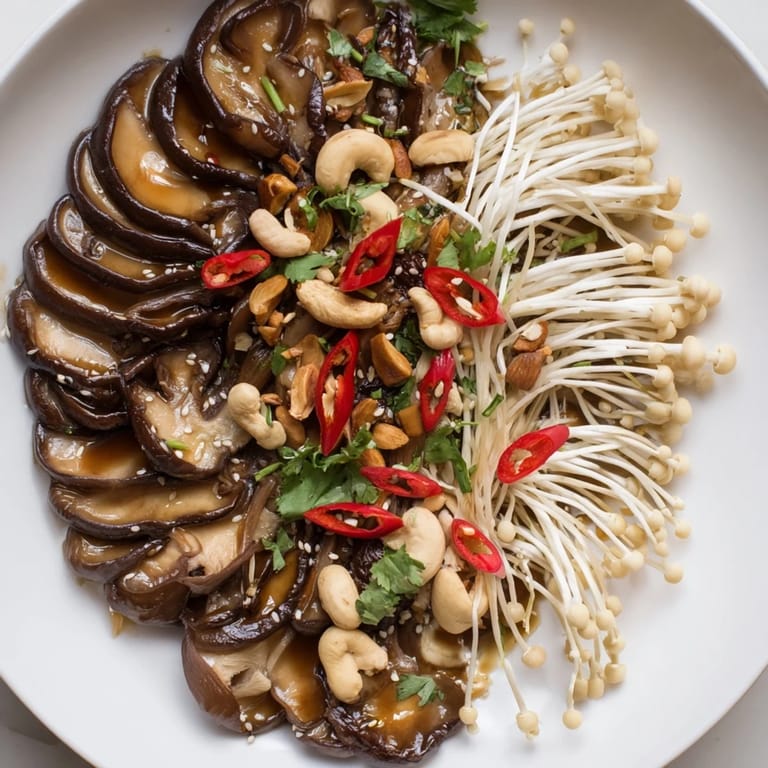
- Start with your cooled sautéed mushrooms. Slice them if they're too thick, then overlap them in a fan shape starting from one corner of your board. Think about how a peacock's feathers fan out. This is your centerpiece, your anchor.
- Build your seaweed fans:
- Create additional fans with your roasted seaweed snacks, arranging them in overlapping layers. Do the same with nori strips. These should look intentional and beautiful, like you've studied Japanese board design, even if you made it up five minutes ago.
- Fill the spaces strategically:
- Now it gets fun. Scatter piles of pickled daikon, pickled ginger, edamame, black garlic cloves, and fermented black beans into the spaces between fans. Don't fill every gap, leave some breathing room. Clusters of contrasting colors and textures matter more than coverage.
- Add the finishing texture:
- Scatter roasted cashews, fried shallots, fresh coriander leaves, chopped chives, and red chili slices across the entire board. This is where you add visual pop and promise of texture. Don't be shy here, this is the garnish that makes people lean in.
- Place your sauce bowls:
- Find two small bowls and pour ponzu into one and spicy sesame dressing into the other. Nestle them onto the board, treating them like they're part of the design, not an afterthought. These are your flavor multipliers.
- Serve with intention:
- Bring the board to the table and before anyone touches it, tell them to combine flavors as they go. Mix pickled ginger with black garlic. Layer mushroom with seaweed. Make every bite different. This is communal eating at its finest.
 Save
Save There was a moment during a quiet dinner last year when everyone stopped talking and just ate from this board, trying different combinations, discovering flavor pairings they didn't know were possible. That silence felt like respect for the ingredient, and I realized food can create that kind of presence when you arrange it with love.
Building Your Board Like a Story
Think of your board as telling a story with flavors and textures. The sautéed mushrooms are your grounding chapter, earthy and substantial. The seaweed brings the ocean into the picture, salty and elegant. The pickled vegetables are your plot twist, sharp and unexpected. The nuts and fried shallots are the climax, all texture and surprise. And the sauces are your conclusion, bringing everything together. When you arrange it this way, people don't just eat, they experience a narrative on a plate.
The Umami Principle
Umami is often called the fifth taste, but it's really the art of layering flavors that make you want another bite. Every ingredient on this board contributes to it. The mushrooms have natural umami compounds called nucleotides. The soy sauce adds depth. The black garlic brings sweet umami. The fermented black beans add funk. The nori has ocean umami. When all these umami sources live together on one board, they don't compete, they amplify. It's like a chorus where every voice makes the others sound better.
Make It Your Own
This board is a template, not a prison. I've seen people swap mushrooms for grilled tofu, add crispy chickpeas for extra crunch, or swap out the sauces for miso-based dips. The framework is what matters, the specific ingredients are just your starting conversation. One thing I always remind myself is that the board should make you happy to look at and excited to eat from. If you're missing an ingredient, substitute with confidence. If you have something you love, find a spot for it. The best version of this board is the one that reflects your pantry and your palate.
- Try adding grilled tofu slices or marinated tempeh if you want extra protein without losing the vegetarian heart of the dish
- Keep a small bottle of chili oil nearby for guests who want to push the heat and richness even further
- Prepare all components up to 4 hours ahead, but assemble the board no more than 30 minutes before serving for maximum crispness
 Save
Save This board has become my answer to the question of how to impress without exhaustion. It's proof that careful arrangement and ingredient respect matter more than complicated technique. Every time I make it, I'm transported back to that Tokyo izakaya, and I hope the same magic happens for you.
Recipe Guide
- → What mushrooms are best for this dish?
Shiitake, king oyster, and enoki mushrooms provide a perfect balance of texture and deep earthy flavors.
- → Can I make this without soy sauce?
Yes, tamari is a great gluten-free alternative that maintains the umami depth.
- → How should I arrange the ingredients for best presentation?
Arrange mushrooms and seaweed in overlapping fans, filling gaps with pickled vegetables and garnishes for visual appeal.
- → Are there vegan options for the sauces?
Ensure ponzu and spicy sesame dressings are plant-based or substitute with vegan-friendly versions.
- → What pairs well to drink with this board?
Chilled sake or green tea complement the earthy and umami notes beautifully.