 Save
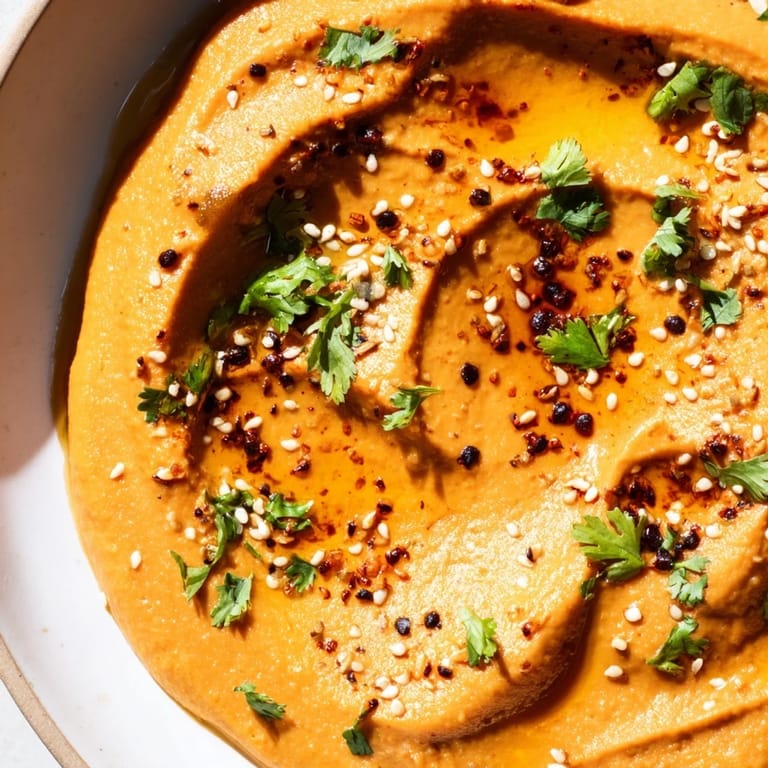
Save The first time I made carrot ginger dip, I wasn't actually trying to create anything fancy—I'd roasted too many carrots for dinner and wanted to use them up before they got pushed to the back of the fridge. While they cooled on the counter, their sweet, caramelized edges catching the kitchen light, something clicked: blend them with ginger and tahini, and you'd have something that tasted like you'd spent hours on it. That batch disappeared so fast that I've been making it intentionally ever since, now understanding it's the kind of dip that makes people ask for the recipe before they've even finished their second bite.
I brought this dip to a potluck last spring where everyone was stressed about bringing something impressive, and watching people skip right past the complicated dishes to reach for the carrots was oddly satisfying. One friend asked if it was store-bought because she couldn't believe something that silky came from just a food processor and some roasted vegetables. That moment felt like proof that the best food doesn't come from trying too hard—it comes from starting with something real and not overthinking it.
Ingredients
- Carrots (500 g, peeled and cut into chunks): The star of the show—roasting transforms their natural sugars into deep, caramelized sweetness that becomes the dip's backbone.
- Fresh ginger (1 tablespoon, peeled and chopped): This adds brightness and a gentle warmth that keeps the dip from feeling heavy; don't skip it or use ground.
- Garlic clove (1 small, peeled): Just one, because it's there to whisper in the background, not shout.
- Extra-virgin olive oil (2 tablespoons, divided): One tablespoon goes with the carrots for roasting, the rest drizzled in at the end to create that silky texture.
- Tahini (2 tablespoons): This is the secret to creaminess without dairy—it also adds a subtle nuttiness that anchors the whole dip.
- Lemon juice (1 tablespoon): Keeps everything bright and prevents the dip from tasting flat or one-dimensional.
- Honey or maple syrup (1 teaspoon): A touch of sweetness that rounds out the spice and ginger.
- Ground cumin (½ teaspoon): Adds earthiness and warmth without making the dip taste obviously spiced.
- Salt and black pepper (½ teaspoon and ¼ teaspoon): Season to taste because every carrot roasts slightly differently.
- Fresh cilantro and sesame seeds (optional garnish): These add texture and visual appeal, but the dip is complete without them.
Tired of Takeout? 🥡
Get 10 meals you can make faster than delivery arrives. Seriously.
One email. No spam. Unsubscribe anytime.
Instructions
- Heat your oven and prep the carrots:
- Get the oven to 200°C (400°F) so it's ready when you are. Cut your carrots into roughly even chunks—not too small or they'll shrivel, not too large or they'll still be hard inside. Toss everything with that first tablespoon of olive oil and a pinch of salt on your baking sheet.
- Roast until caramelized:
- Spread them out so they're not crowded, then roast for 25–30 minutes until the edges are golden and you can easily pierce them with a fork. You want some browning here—that's where the magic happens. Let them cool for a few minutes while you set up your food processor.
- Blend into smoothness:
- Add the roasted carrots and garlic, the chopped ginger, tahini, lemon juice, honey, cumin, salt, and pepper all at once. Start blending and stream in the remaining olive oil while the machine is running. If it's too thick, add water one tablespoon at a time until you reach that perfect, spoonable consistency.
- Taste and adjust:
- This step matters—blend in a small spoonful and taste it. More salt? More lemon brightness? This is when you make it yours. Blend one more time to ensure everything is smooth.
- Finish and serve:
- Transfer to a bowl, scatter cilantro and sesame seeds on top if you're feeling fancy, and serve with whatever you like—fresh vegetables, pita chips, or crackers. It keeps in the fridge for nearly a week.
 Save
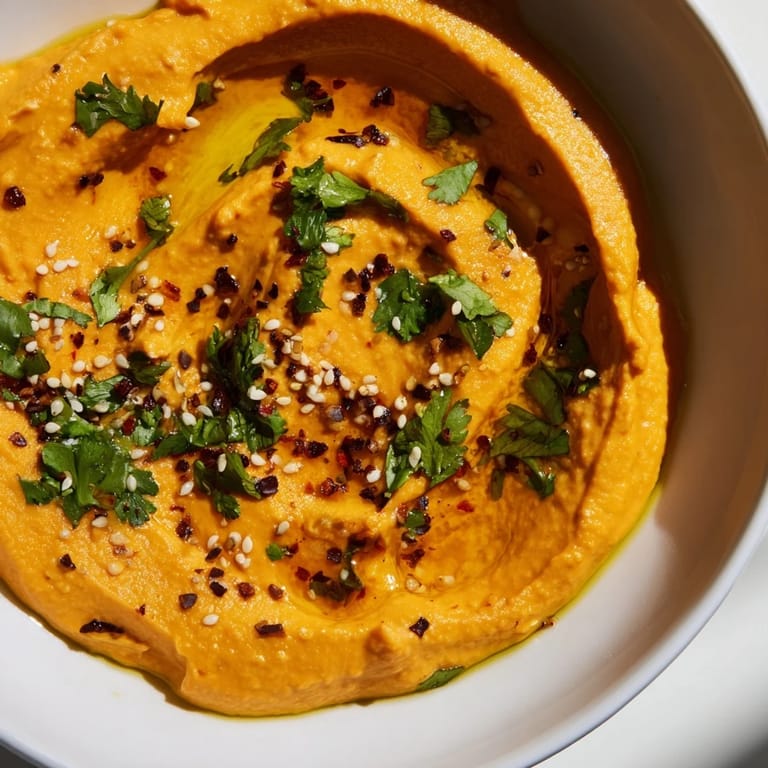
Save There's something grounding about serving a dip that people can actually recognize—carrots are carrots, ginger is ginger—yet somehow tastes like an elevated version of itself. It stopped being just an appetizer for me the day someone brought it to a family dinner and my grandmother asked if it tasted like anything else because the flavor was so clean and honest.
Why Roasting Changes Everything
Raw carrots are sweet in their own way, but roasting concentrates that sweetness and adds a subtle caramel note that you absolutely cannot achieve by boiling or steaming. The edges brown slightly, some moisture evaporates, and suddenly you have vegetables with actual depth. This is why the dip tastes restaurant-quality even though you made it in your kitchen—you're building flavor the way professionals do, by using heat intentionally.
Playing with Heat and Spice
The ginger in this dip is gentle—it's there to add complexity, not to make anyone cough. If you love heat, a pinch of cayenne pepper transforms this into something with more attitude without drowning out the carrots. I've also added a small pinch of smoked paprika and nobody could quite identify what was different, but everyone said it tasted better than the last batch. The point is that this base is forgiving enough to adapt.
Serving Ideas and Storage
This dip is genuinely versatile—I've used it as a sandwich spread, a side for grilled vegetables, and even thinned it with a splash of olive oil to drizzle over roasted chicken. It keeps in the fridge for about five days and actually tastes better the next day once the flavors have time to settle and blend together. Make it early in the week and you have an easy, healthy snack on hand whenever you need it.
- Serve alongside crudités like celery, cucumber, and bell peppers for a naturally colorful board.
- Spoon it onto crackers or use it as a base for crostini topped with pomegranate seeds or toasted nuts.
- If you prefer it lighter, you can swap tahini for Greek yogurt, though it will no longer be dairy-free.
 Save
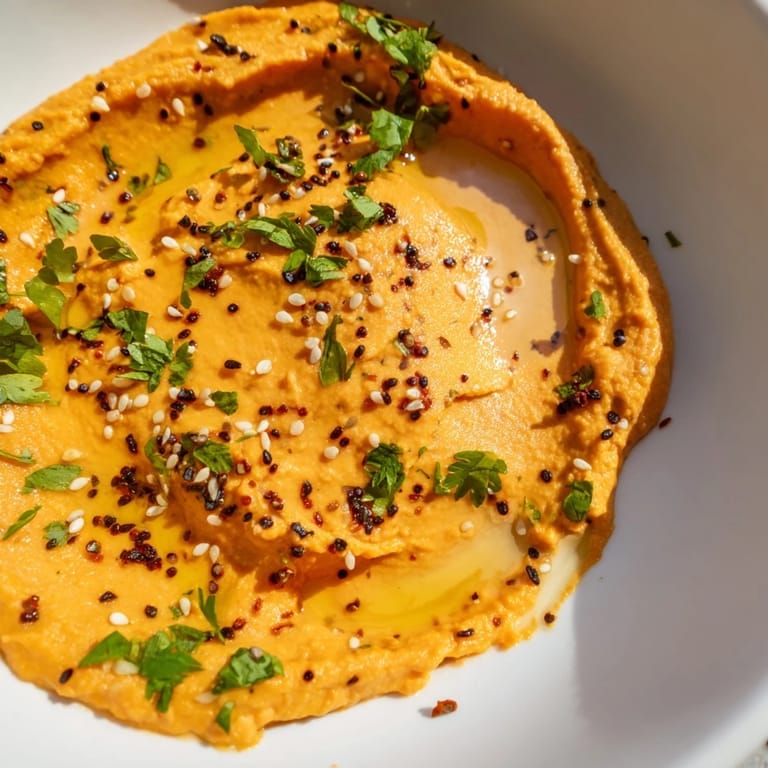
Save This dip works because it honors its main ingredient instead of trying to hide it behind a dozen other flavors. That's the kind of cooking that sticks with people—simple, real, and somehow better than expected.
Recipe Guide
- → How do I roast the carrots properly?
Toss carrot chunks with olive oil and salt, then roast at 200°C (400°F) for 25–30 minutes until tender and slightly caramelized.
- → Can I make the dip spicier?
Yes, add a pinch of cayenne pepper or extra black pepper to enhance the heat according to your taste.
- → What can I use instead of tahini?
Greek yogurt works well as a substitute for a lighter version, though it will no longer be dairy-free.
- → How should I serve this dip?
Serve chilled or room temperature, paired with fresh vegetables, pita chips, crackers, or as a spread on sandwiches.
- → Is this dip suitable for specific diets?
Yes, it’s vegetarian, gluten-free, and dairy-free, making it suitable for various dietary preferences.