 Save
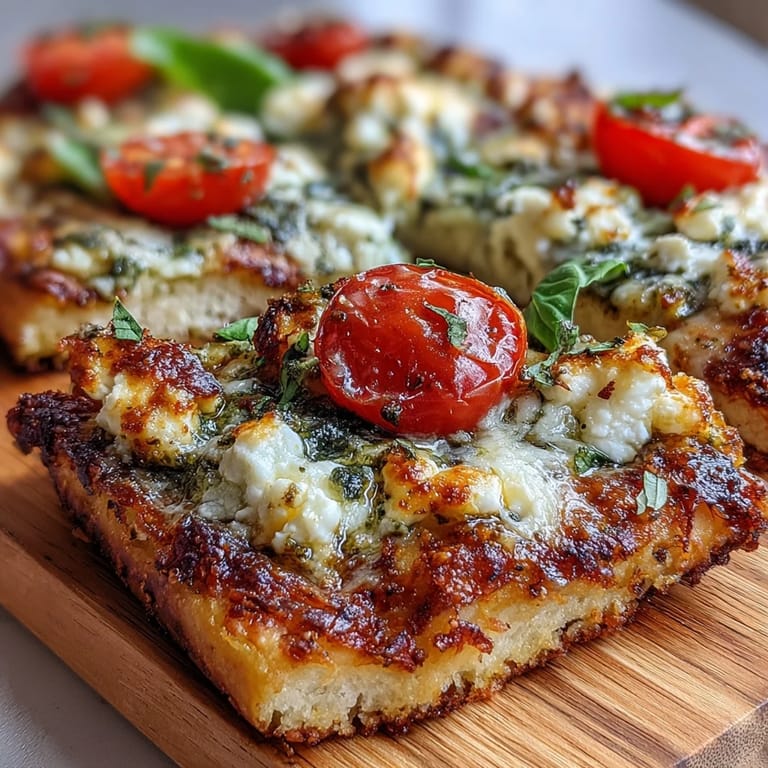
Save The kitchen always hums a little differently when cottage cheese is involved – especially when it transforms into something you didn't expect. I remember the first time I tried this viral flatbread, I was standing at my counter on a rainy afternoon, slightly skeptical about whether the curds would really meld into something bread-like. A quick blitz and a sizzle in the oven later, the scent of toasty cheese and garlic filled my tiny apartment. It's indulgent, but not heavy, and it’s just the sort of thing that feels like a little edible magic trick. Every time I've made it since, it’s turned those gloomy days around.
One evening, I threw this together in a rush for a friend who popped by unexpectedly, and neither of us could stop talking about how something so humble tasted so vibrant. Between the laughter and the way the pesto streaked across the golden, slightly chewy base, I made a note to save some cherry tomatoes for the next time.
Ingredients
- Cottage cheese: The heart of the flatbread – creamy or low fat both work, but I swear by full fat for richness.
- Eggs: They bring everything together for a sturdy, sliceable bread.
- All-purpose flour (or gluten-free): I’ve swapped in chickpea flour before – it holds up and adds a nice nutty touch.
- Salt: A quarter teaspoon makes the flavors pop without overwhelming the toppings.
- Garlic powder: Don’t skip it – it gives a warm, savory backbone to the bread.
- Baking powder: Just enough for lift and a tender crumb—don’t overdo or it’ll taste metallic.
- Basil pesto: Store-bought is fine but try homemade if you have fresh basil on hand.
- Cherry tomatoes: Halved, they roast and sweeten on the warm flatbread.
- Fresh basil leaves: They scent each bite—tear them at the last second for maximum aroma.
- Black pepper: A quick grind over the top sharpens everything.
- Parmesan (optional): Adds umami and meltiness—extra delicious if you’re feeling fancy.
Tired of Takeout? 🥡
Get 10 meals you can make faster than delivery arrives. Seriously.
One email. No spam. Unsubscribe anytime.
Instructions
- Prep your tray:
- Start by firing up the oven to 400°F (200°C), and don’t forget to line a baking tray with parchment paper so nothing sticks.
- Blend the batter:
- In a mixing bowl, blend together cottage cheese, eggs, flour, salt, garlic powder, and baking powder until silky—either a hand blender or food processor will have it smooth in a flash.
- Shape the flatbreads:
- Divide the batter into two, then use a spatula to nudge each portion into a rustic oval about 1/4 inch thick on the tray—the batter will feel spreadable, not pourable.
- Bake:
- Bake for 18 to 20 minutes until the edges are golden and the center is set; your kitchen should smell faintly of cheese and toasty garlic.
- Cool and top:
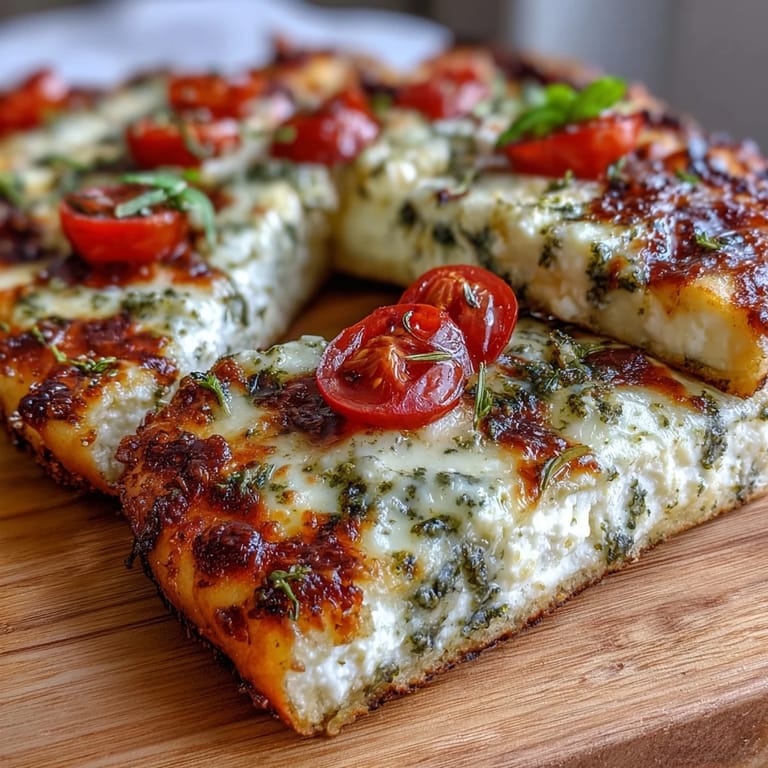
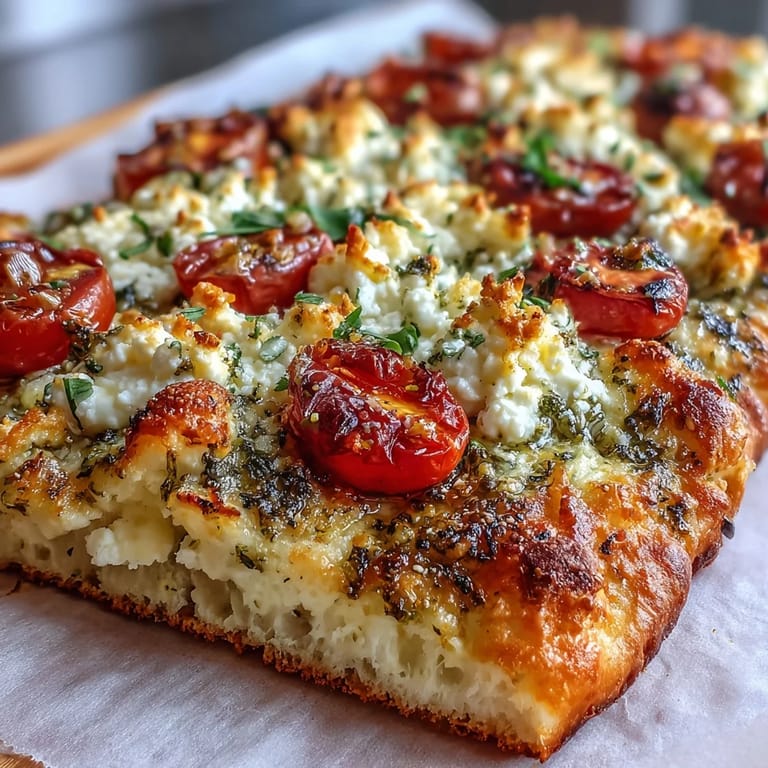
- Let them sit for a few minutes, then spread 2 tablespoons pesto on each, scatter with cherry tomatoes, grind on pepper, and sprinkle parmesan if you like cheesy richness.
- Finish and serve:
- Garnish with fresh basil, slice the flatbreads, and serve them just warm enough to feel cozy.
 Save
Save 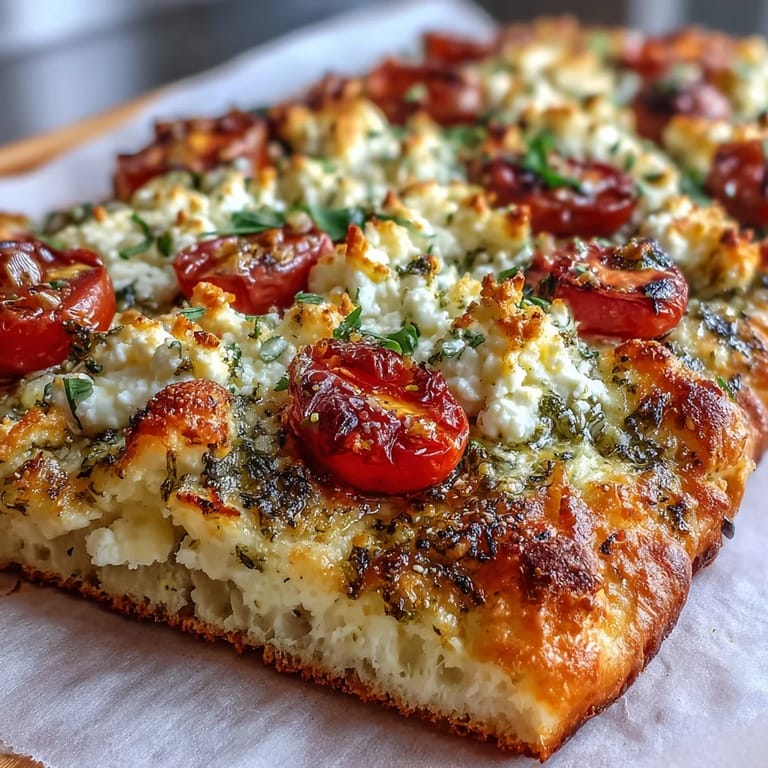 Save
Save I’ll never forget the evening when I served this flatbread, still warm from the oven, at a little movie night, and it disappeared before the previews ended—no one guessed the cottage cheese trick until I told them.
Can You Make It Ahead of Time
If you’re prepping for a crowd or a busy week, you can bake the flatbread bases ahead and store them in the fridge, just keeping the toppings fresh to layer on when you’re ready to serve.
How to Change Up the Toppings
Sun-dried tomatoes add a tangy twist and a sprinkle of chili flakes brings warmth—it’s endlessly customizable depending on your fridge and your mood.
Serving Ideas for Every Occasion
This flatbread works for everything from a light lunch with salad, to party-friendly wedges on a snack board, or even as a brunch side—just be prepared to share the recipe when someone asks.
- Try it cold from the fridge; it’s still surprisingly good.
- Add a poached egg for a hearty breakfast.
- Don’t forget to watch for nut allergies in pesto if serving guests.
 Save
Save 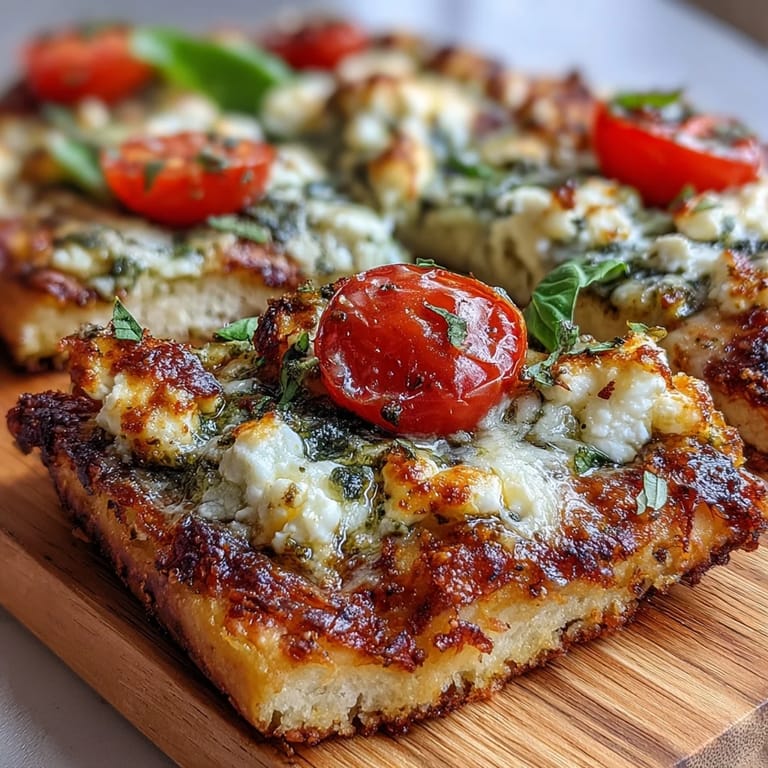 Save
Save This is one of those recipes that invites little tweaks and always surprises – I hope it brings some brightness to your table too.
Recipe Guide
- → How do I keep the flatbread from becoming soggy?
Blend the cottage cheese and eggs until very smooth to reduce moisture pockets, and use the specified amount of flour to help bind. Bake until edges are golden and the center is set, then let the flatbreads cool briefly on the tray before topping so excess steam escapes.
- → What gluten-free flours work best as a substitute?
Chickpea flour or a 1:1 gluten-free baking blend are good swaps—chickpea adds extra protein and structure. Almond flour can be used but may yield a denser texture; you may need a touch more binder (egg) and a slightly longer bake time.
- → Can I substitute the pesto or make it ahead?
Prepared pesto works well and can be made a day ahead—store covered in the fridge with a thin film of olive oil on top. For alternatives, try sun-dried tomato tapenade, a lemon-herb olive oil drizzle, or a quick chimichurri for a brighter finish.
- → How should I store and reheat leftovers?
Keep flatbreads in an airtight container in the refrigerator for up to 3 days. Reheat in a preheated oven or toaster oven at 350°F (175°C) for a few minutes to restore crisp edges; microwave briefly if short on time, then finish under the broiler for texture.
- → Is there a way to make a dairy-free or vegan version?
For a vegan base, try silken tofu blended with a vegan egg binder substitute (such as aquafaba) and a bit more flour to match the batter's thickness. Nutritional yeast adds a cheesy note. Texture will differ from the cottage cheese version, so adjust baking time and hydration as needed.
- → Any tips for achieving extra crispness?
Spread the batter thinly (about 1/4 inch) and bake on a preheated tray or sheet for more direct heat. After topping, briefly return to the oven or use a broiler to set toppings without softening the base. Avoid overly wet toppings until after baking.