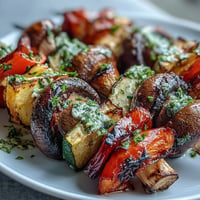
 Save
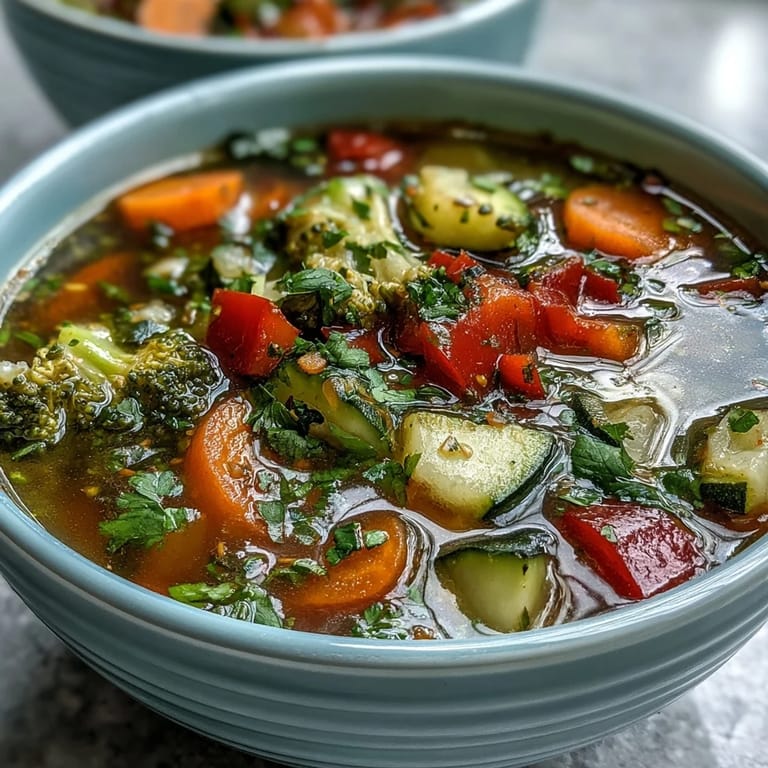
Save There's something about the smell of ginger hitting hot oil that makes a kitchen feel instantly alive. I discovered this soup during a particularly grey November afternoon when my friend called asking for something warming but not heavy, and I found myself pulling vegetables from the crisper drawer without much of a plan. What emerged was this golden, fragrant bowl that somehow felt both comforting and bright, the kind of soup that tastes like you've been simmering it for hours when really it takes less time than ordering takeout.
I made this for my neighbor when she was recovering from a cold, and watching her face brighten as she tasted it told me everything. She later mentioned it was the first thing that actually sounded good to her in days, and that's when I understood this wasn't just soup—it was the kind of small kindness that travels in a bowl.
Ingredients
- Fresh ginger, peeled and grated: This is your backbone, the reason the whole pot smells like healing and comfort, so don't reach for the powdered stuff unless you absolutely have to.
- Medium onion, diced: The sweet foundation that mellows as it softens, creating that savory depth that makes people ask what your secret is.
- Carrots and celery, sliced: These two work like a team, the carrot adding subtle sweetness while celery brings a grounding earthiness.
- Red bell pepper, diced: I choose red over green because it adds brightness and a natural sugar that balances the ginger perfectly.
- Zucchini, diced: It's mild and absorbs flavor beautifully without overwhelming the delicate aromatics you've built.
- Broccoli florets: They hold their shape through simmering and add a slight sweetness that rounds out the spice.
- Garlic cloves, minced: Just enough to whisper in the background, never fighting for attention against the ginger.
- Vegetable broth: Check your label if you're gluten-free, because many broths hide wheat in surprising places, which I learned the hard way.
- Olive oil: Use one you wouldn't feel bad heating, not your fancy finishing oil.
- Sea salt and black pepper: Taste as you go because some broths are already seasoned and others are shy.
- Soy sauce or tamari: Optional but honestly game-changing if you want that savory depth that makes the broth taste like it's been cooking all day.
- Fresh cilantro or parsley, chopped: The final brightness that wakes everything up in your mouth.
- Toasted sesame oil: A whisper of this at the end changes everything, adding a nutty richness that feels almost luxurious.
Tired of Takeout? 🥡
Get 10 meals you can make faster than delivery arrives. Seriously.
One email. No spam. Unsubscribe anytime.
Instructions
- Warm your pot and start the foundation:
- Heat olive oil over medium heat until it shimmers slightly, then add your onion, carrots, and celery. You're looking for them to soften and become translucent around the edges, which takes about five minutes—your kitchen will start to smell like something good is happening.
- Wake up the aromatics:
- Add your minced garlic and grated ginger, and the smell that rises up is exactly why people keep coming back to this soup. Cook for just two minutes so the raw edge softens but they don't brown.
- Build your vegetable layer:
- Stir in your bell pepper, zucchini, and broccoli, letting them tumble through the ginger-infused oil for about three minutes. Everything gets coated and starts to release its own flavors.
- Pour in the broth and bring to life:
- Add your vegetable broth and turn up the heat until you see bubbles breaking the surface, then immediately lower it to a gentle simmer. This is the moment when a kitchen pot becomes a cauldron of possibilities.
- Season and simmer with patience:
- Add your salt, pepper, and soy sauce if using, then let it bubble quietly for fifteen to twenty minutes until the vegetables are tender enough to break easily with a spoon but still hold their color and structure. Taste midway and adjust—this is your moment to make it exactly right.
- Finish with intention:
- Ladle into bowls and drizzle with sesame oil if you have it, then scatter your fresh herbs over the top like confetti. The warmth of the soup will release their essential oils and fill your bowl with even more aroma.
 Save
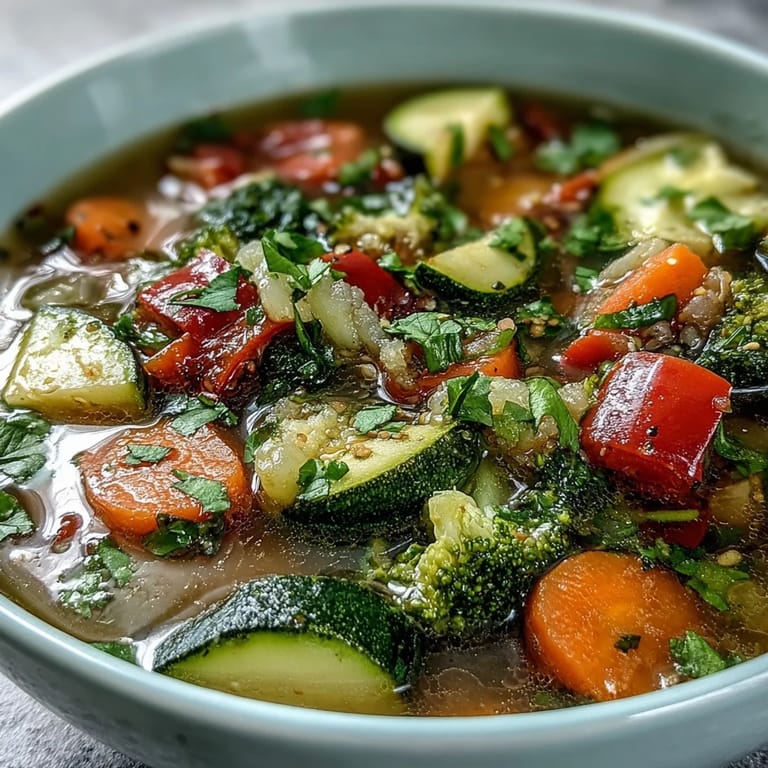
Save Last month I made this for a dinner party and expected it to be a starter, but two of my guests asked for bowl seconds before we even got to the main course. There's something humble and honest about a good vegetable soup that makes people forget to be polite.
Variations That Work
This soup is forgiving in the best way, which is what I love most about returning to it. Snap peas, mushrooms, bok choy, even spinach added at the very end work beautifully without needing to adjust anything else. I've swapped the vegetable broth for chicken broth when I had it, and it deepens the whole thing without changing the character. The beauty is that you're building a frame with the ginger and garlic, and then you fill it with whatever your vegetables drawer is offering today.
Boosting Protein and Nutrition
If you're making this a main course instead of a starter, a handful of cooked lentils stirred in during the last five minutes adds substance without making it heavy. Cubes of firm tofu do the same thing for a vegan protein boost, or even some crispy chickpeas if you want textural contrast. I sometimes poach an egg directly in the simmering broth at the end, which sounds fancy but is honestly just dropping it in and walking away for three minutes.
Serving and Storage Wisdom
Serve this alongside crusty bread for soaking up broth, or over rice noodles if you want it more substantial. It keeps beautifully in the refrigerator for three days, and something interesting happens when you reheat it—the flavors actually deepen and round out, so leftovers are sometimes better than the first bowl.
- If you're meal prepping, store the herbs and sesame oil separately so they stay bright when you reheat.
- This soup also freezes well for up to three months, which means you can have comfort in your freezer whenever you need it.
- Reheat gently over medium heat with a splash of water or broth if it's thickened more than you like.
 Save
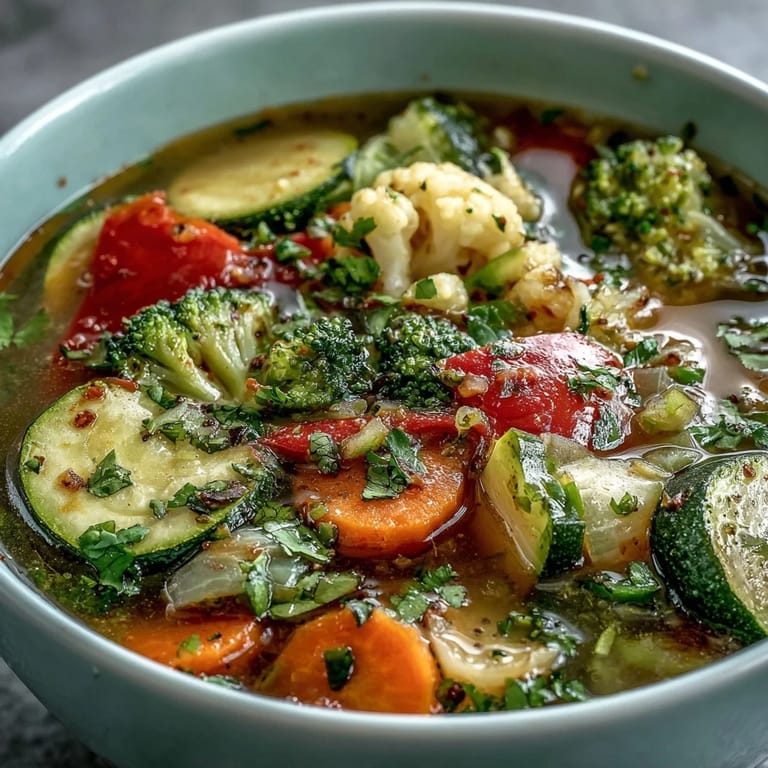
Save This soup has become my go-to when I want to feel like I'm taking care of myself or someone else, and somehow it always delivers exactly what's needed. There's real magic in something this simple.
Recipe Guide
- → Can I make this soup ahead of time?
Absolutely. This soup actually tastes better the next day as flavors meld. Store in an airtight container for up to 4 days.
- → How can I add more protein?
Stir in cooked lentils, chickpeas, or cubed tofu during the last 10 minutes of simmering. Quinoa also works beautifully.
- → Can I freeze this soup?
Yes, freeze for up to 3 months. Undercook vegetables slightly if planning to freeze, as they'll soften during reheating.
- → What vegetables work best as substitutes?
Try snap peas, mushrooms, bok choy, or spinach. Adjust cooking times accordingly—leafy greens need just 2-3 minutes.
- → How can I make it spicier?
Add red pepper flakes with the aromatics, or swirl in sriracha or chili oil when serving for adjustable heat.