 Save
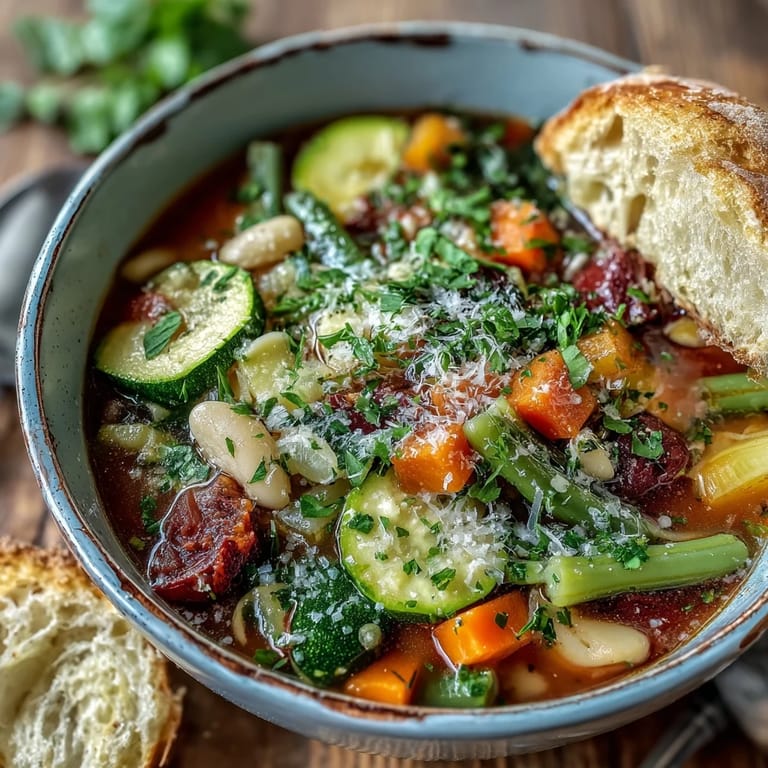
Save My neighbor Marco taught me that minestrone isn't something you memorize—it's something you listen to. One October afternoon, while he stirred a pot of simmering vegetables, he explained how his nonna would change the soup with whatever the market had that day, never the same twice, always perfect. That conversation changed how I cook; I stopped following recipes like scripture and started treating them like invitations to improvise. This soup became my favorite way to practice that freedom, turning whatever's in the crisper drawer into something that tastes like it took hours.
I made this for my sister during a particularly gloomy February when she was recovering from surgery, and watching her eat three bowls while sitting by the window—something she'd been too tired to do much of—reminded me why simple food matters so much. There's quiet power in a pot of soup that's equal parts vegetables, care, and permission to eat slowly.
Ingredients
- Olive oil: Use a good quality one that you'd actually taste in salad; it's only two tablespoons, so let it matter.
- Onion, carrots, and celery: This is the aromatics foundation that builds flavor from the very first minute—don't rush the sauté or skip any of them.
- Zucchini or butternut squash: Summer brightness or winter sweetness; choose what's in season or what calls to you at the market.
- Green beans, kale, or spinach: A leafy vegetable adds texture and nutrition, and it transforms depending on the weather and your mood.
- Garlic: Mince it fresh if you can; the smell filling your kitchen is half the point.
- Diced tomatoes: Canned is perfectly fine here and honestly more reliable than fresh tomatoes in winter.
- Potato: Optional, but it thickens the soup slightly and adds a gentle earthiness that works especially well in colder months.
- Vegetable broth: This is where subtle flavor lives; use something you'd actually sip on its own.
- Cannellini or borlotti beans: Drained and rinsed so they stay creamy and don't cloud the broth.
- Small pasta: Ditalini, elbow, or shells work best because they stay tender without disappearing into the soup.
- Bay leaf, oregano, and basil: Dried herbs work beautifully here; they release slowly as the soup simmers and build complexity.
- Fresh parsley: Stir it in at the end for brightness and a reminder that you made something from scratch.
- Parmesan cheese: Optional but recommended, especially if you're not going vegan; a scattered handful changes everything.
Tired of Takeout? 🥡
Get 10 meals you can make faster than delivery arrives. Seriously.
One email. No spam. Unsubscribe anytime.
Instructions
- Build your base:
- Heat the olive oil over medium heat and add the onion, carrots, and celery, cooking for about five minutes until they soften and start to turn golden at the edges. You'll know it's right when the kitchen smells sweet and savory at the same time, and the vegetables have lost that raw crunch.
- Add depth with aromatics:
- Stir in the minced garlic along with your seasonal vegetables—zucchini or squash and green beans, kale, or spinach. Let this cook for a few minutes so the garlic becomes fragrant but not brown, which would make it bitter.
- Layer in the tomatoes:
- Add the canned tomatoes and potato (if you're using one), stirring gently so everything coats in the oil. After two minutes, pour in the broth and the bay leaf, then bring everything to a boil before turning the heat down to a simmer.
- Let time do the work:
- Simmer for fifteen minutes so the vegetables become truly tender and the flavors start talking to each other. This is a good time to taste the broth by itself, which tells you everything about where the soup is headed.
- Finish strong with pasta and beans:
- Add the drained beans and pasta, stirring occasionally, and let everything simmer uncovered for about ten to twelve minutes until the pasta is tender but not mushy. The pasta will release starch into the broth, making it slightly creamy without any cream at all.
- Season and brighten:
- Taste the soup and add salt, pepper, oregano, and basil, stirring well. Remove the bay leaf, then stir in the fresh parsley right before serving so it stays vibrant and green.
 Save
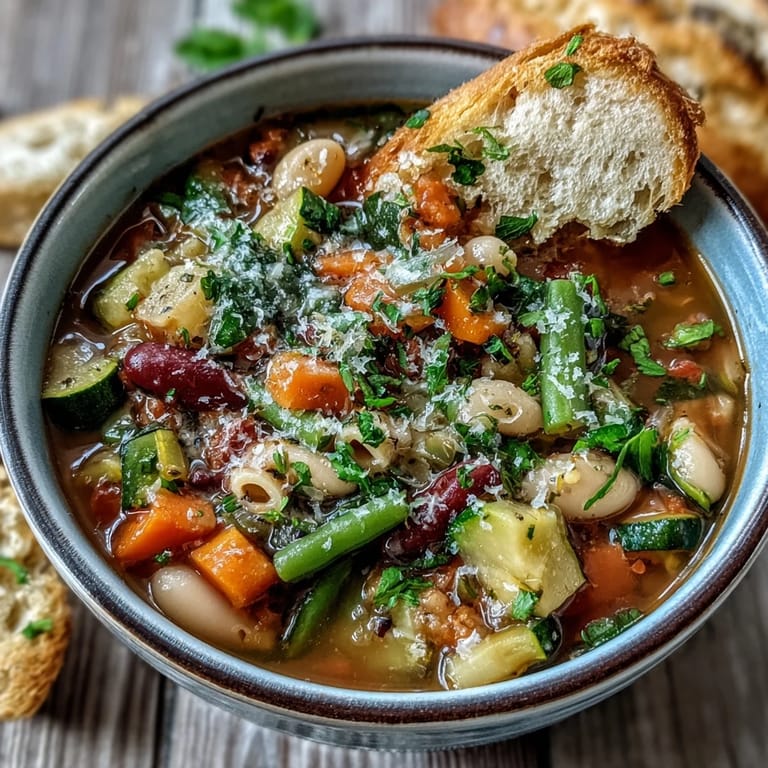
Save My daughter asked me once why I make minestrone so often, and I realized it's because it's one of those rare dishes that tastes better the next day when all the flavors have had time to get to know each other. There's something comforting about a meal that improves with patience.
Adapting for the Season
Spring is your moment to add fresh peas, tender leeks, or young cabbage—anything that feels alive and bright—while winter invites you to lean into squash, hardier greens, and root vegetables that sweeten as they cook. I've found that the soup teaches you what each season is actually offering if you pay attention to what's abundant and affordable at the market. The magic isn't in following a fixed list; it's in respecting what grows around you and building flavor from there.
Vegan and Allergen Options
This soup naturally wants to be vegan—just skip the Parmesan or crumble on a dairy-free alternative—and it's easy to make gluten-free by swapping regular pasta for a gluten-free version without changing anything else about the technique or timing. If you're serving people with different needs, this is one of those beautifully flexible recipes where you can make one pot and everyone gets exactly what works for them. Just remember to check your broth and pasta labels if allergens are a concern.
- A Parmesan rind simmered in the broth (and removed before serving) adds umami depth that tastes like you cooked for hours.
- Serve with crusty bread and a small drizzle of excellent olive oil poured right into each bowl.
- This soup keeps beautifully for three days in the fridge and actually tastes better reheated, so make extra.
 Save
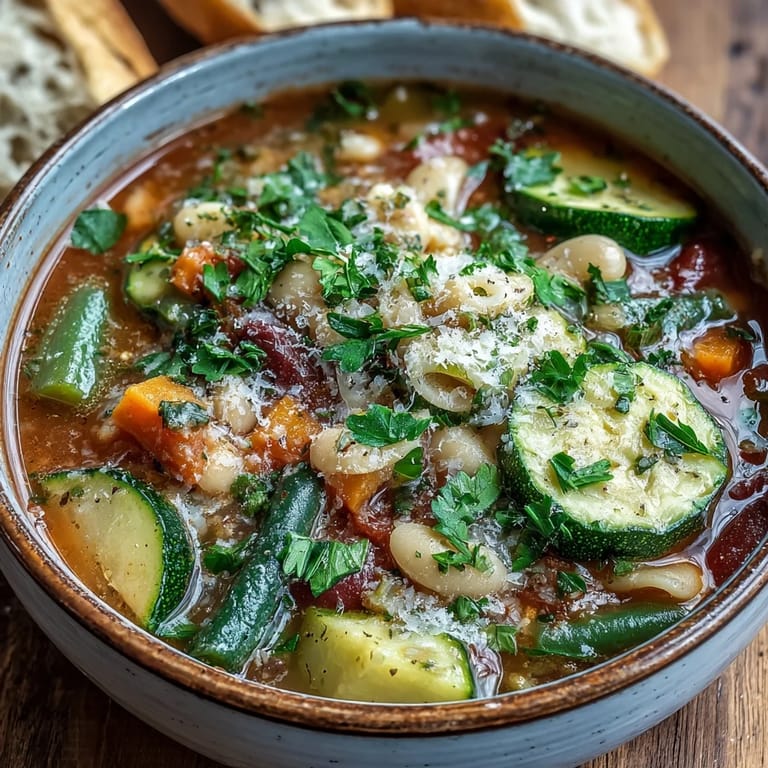
Save This soup is the kind of food that asks you to slow down and pay attention, which is exactly what most of us need more of. Make it, change it, share it, and let it remind you that the best recipes are the ones that feel like they belong to you.
Recipe Guide
- → What vegetables work best in minestrone?
Classic choices include onions, carrots, celery, zucchini, and green beans. For winter variations, try butternut squash, kale, or spinach. Spring welcomes peas and leeks, while any seasonal vegetable can be incorporated based on availability.
- → Can I make minestrone gluten-free?
Absolutely. Simply substitute regular pasta with gluten-free alternatives like rice pasta, corn pasta, or quinoa pasta. The rest of the ingredients naturally contain no gluten, making this an easy adaptation.
- → How do I prevent pasta from becoming mushy?
Add pasta during the last 10-12 minutes of simmering and cook uncovered until tender. If storing leftovers, consider cooking pasta separately and adding when reheating to maintain ideal texture.
- → Can I freeze minestrone soup?
Yes, though pasta texture may change slightly. For best results, cool completely before freezing in airtight containers for up to 3 months. Thaw overnight in refrigerator and reheat gently, adding extra broth if needed.
- → What can I serve with minestrone?
Crusty bread is traditional for soaking up the flavorful broth. A drizzle of extra virgin olive oil enhances richness. For a complete meal, pair with a simple green salad dressed with balsamic vinaigrette.
- → How do I make minestrone more flavorful?
Simmer a Parmesan rind in the broth for depth of flavor, removing before serving. Toast the herbs in oil with vegetables initially, or add a splash of balsamic vinegar just before serving for brightness.