 Save
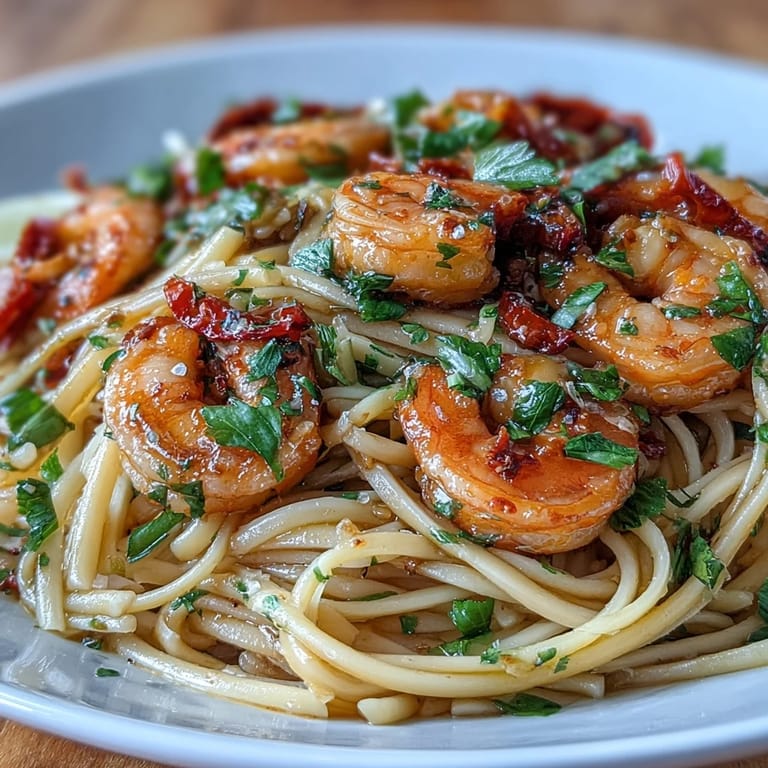
Save There's something about the sound of shrimp hitting a hot pan that instantly tells you dinner is going to be good. I was standing in my kitchen on a Tuesday evening, exhausted from work, when I decided to stop overthinking what to cook and just grabbed what was in the fridge: shrimp, garlic, a handful of red chilies, and dried linguine. Twenty minutes later, I had a bowl of something so vibrant and alive that my entire mood shifted. That's when I realized this dish didn't need fancy techniques or hours of prep—just heat, good olive oil, and the courage to let the simple ingredients speak for themselves.
I made this for my partner one Friday after they'd had a particularly rough week, and watching them twirl that first forkful and close their eyes made me understand why comfort food matters. It wasn't heavy or demanding—just warm, alive, and unapologetically flavorful. The whole kitchen smelled like roasted garlic and heat, and somehow that aroma alone seemed to do half the healing work.
Ingredients
- Large shrimp (400 g): Look for them with the shells still on if possible; they protect the delicate meat during cooking and make it easier to tell when they're perfectly done (that pale pink is your cue).
- Linguine (350 g): Al dente is non-negotiable here because the pasta will absorb a bit more liquid when it hits the skillet—undercooked pasta gives you that ideal slight resistance.
- Garlic (5 cloves, thinly sliced): Slice it yourself rather than using minced; thinner slices cook evenly and give you little bursts of flavor rather than a muddy garlic paste.
- Red chili peppers or flakes (1–2 peppers or 1 tsp flakes): The heat should be present but not aggressive—you want people to feel the warmth, not run for water.
- Fresh flat-leaf parsley (1 small bunch, chopped): Add it at the very end so the color stays bright green and the flavor doesn't turn bitter from the heat.
- Lemon zest and juice (1 whole lemon): The brightness here is what keeps the dish from feeling heavy, so don't skip this even if you're tempted.
- Extra-virgin olive oil (3 tbsp): Use one you actually like drinking—this is the soul of the dish, and mediocre oil will show.
- Dry white wine (2 tbsp, optional): If you use it, let it reduce completely so the alcohol burns off and you're left with just subtle sweetness.
- Salt and freshly ground black pepper: Taste as you go because you'll season the shrimp, then again when everything comes together.
Tired of Takeout? 🥡
Get 10 meals you can make faster than delivery arrives. Seriously.
One email. No spam. Unsubscribe anytime.
Instructions
- Start the pasta:
- Fill a large pot with salted water (it should taste like the sea) and bring it to a rolling boil before adding linguine. Stir it immediately so nothing sticks, then cook to al dente according to the package time—usually 9 to 11 minutes. Before draining, scoop out about half a cup of that starchy pasta water and set it aside; you'll use it later to bring everything together.
- Build the aromatic base:
- While the pasta cooks, pour your olive oil into a large skillet and set it over medium heat. Once it's warm enough that a garlic slice sizzles gently when it hits the pan, add your sliced garlic and chili, stirring constantly for just 1 to 2 minutes until the kitchen fills with that toasted garlic smell but before anything turns brown (burnt garlic tastes bitter and ruins everything).
- Cook the shrimp:
- Push the garlic and chili to the sides of the skillet and add your shrimp in a single layer, seasoning them immediately with salt and pepper. Let them sit undisturbed for about a minute so they develop color on one side, then flip and cook until they turn that pale, opaque pink—this takes 2 to 3 minutes total. Overcooked shrimp becomes rubbery, so watch them like a hawk.
- Optional wine deglazing:
- If you're using white wine, pour it into the pan and let it bubble for 30 seconds, allowing the alcohol to cook off and the flavors to meld. If you're skipping it, that's fine too.
- Bring it all together:
- Add your drained linguine directly to the skillet along with a splash of reserved pasta water (start with a quarter cup and add more if needed to create a silky sauce). Toss everything constantly for about a minute, letting the starchy water emulsify with the oil and coat every strand. Add the lemon zest and squeeze in that bright juice, then remove from heat.
- Finish and serve:
- Stir in your fresh parsley right before plating so it stays vibrant green, taste, and adjust salt and pepper if needed. Serve immediately while the dish is still hot, because this is the kind of pasta that suffers if it sits around.
 Save
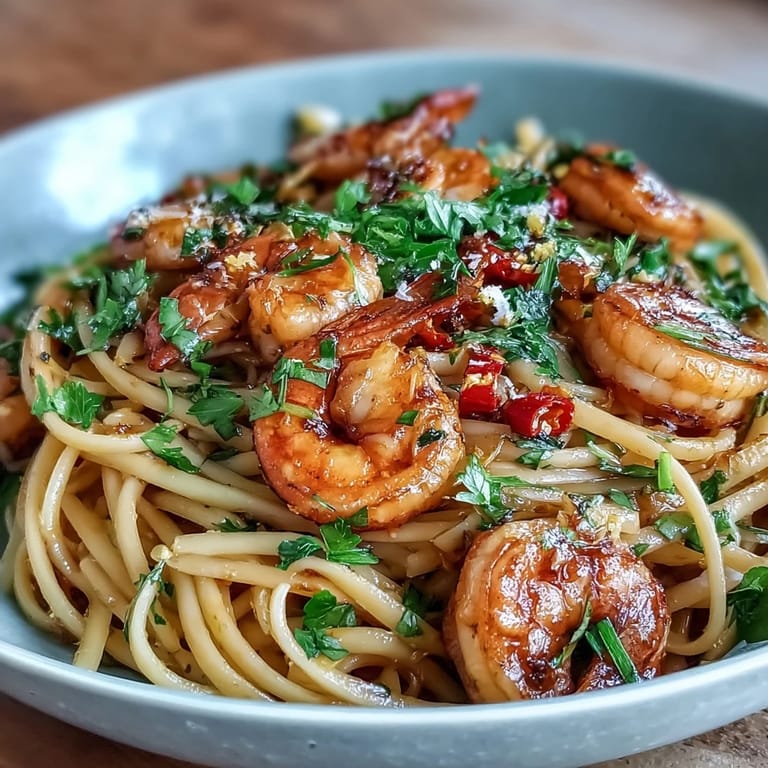
Save My friend asked me to make this for her dinner party, and by the third bowl, people were asking if there was some secret ingredient they were missing. There wasn't—just the confidence that simplicity done right never needs an apology. When everyone's quiet except for the sound of forks and they're asking for seconds before the first plate is clean, you know you've made something that matters.
Why This Works as a Weeknight Dinner
This dish exists in that sweet spot where it feels restaurant-quality but doesn't demand that you've cleared your entire afternoon for prep. The actual active cooking time is closer to 10 minutes once your water is boiling, which means you can have dinner on the table before most people finish scrolling through their phones. The real magic is that there's nothing pretentious about it—no fancy techniques, no ingredients that require a specialty store trip, just heat and timing and the willingness to taste as you go.
Playing with Heat and Flavor
The spice level here is meant to be warm and inviting, not aggressive, but your kitchen is your kingdom. If you like serious heat, add more chili or use hot pepper flakes instead of fresh peppers (they're more concentrated). If you're serving someone who prefers milder food, dial back the chili or skip it altogether and let the garlic be the star. The beauty of this dish is how forgiving it is—you can adjust it a dozen different ways and it always lands somewhere delicious.
Serving Suggestions and Pairings
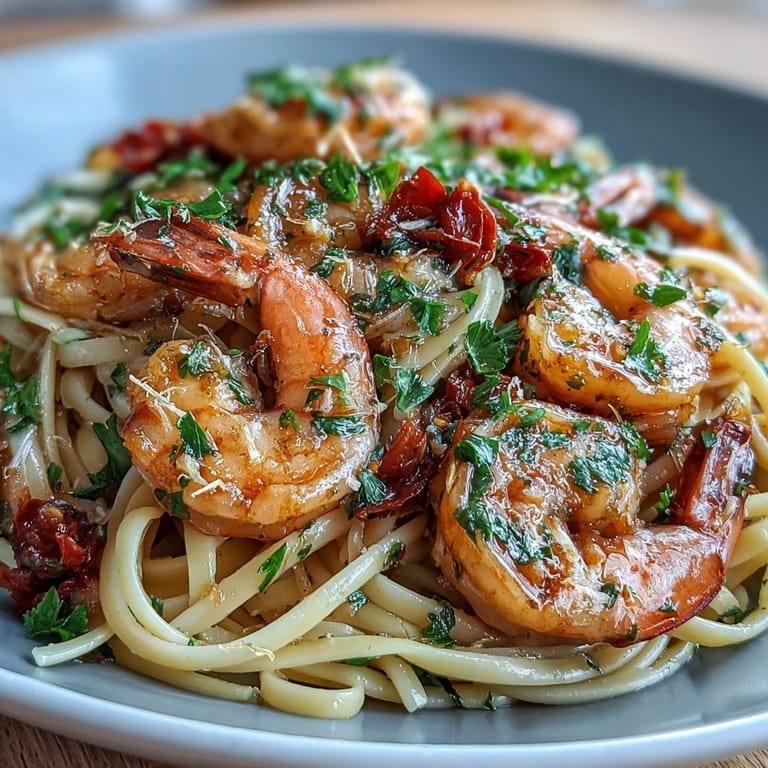
Serve this in shallow bowls so people can appreciate the glossy sauce, and maybe drizzle a tiny bit more olive oil on top just before plating for that restaurant finish. A crisp white wine like Pinot Grigio or Sauvignon Blanc cuts through the richness beautifully, and if you're feeling it, a simple green salad with lemon dressing on the side balances the richness without taking away from the star of the show.
- A handful of crushed red pepper flakes on the side lets people add their own heat rather than you deciding for everyone.
- Parmesan shavings are optional but feel free to add them if you want that extra savory depth.
- Leftover pasta loses its silkiness when it cools, so this is genuinely one of those dishes best eaten fresh from the pan.
 Save
Save This recipe taught me that some of the best meals come from not overthinking, from trusting the ingredients and the process, and from knowing when to stop fussing and just serve. Make this on a night when you need something quick but meaningful, and let the simplicity remind you why you started cooking in the first place.
Recipe Guide
- → What type of pasta works best for this dish?
Linguine is ideal for holding the chili-garlic sauce, but spaghetti or fettuccine can be used as alternatives.
- → How spicy is the chili-garlic shrimp linguine?
The heat level can be adjusted by varying the amount of fresh chili or red pepper flakes according to taste.
- → Can I prepare the shrimp ahead of time?
For best texture, cook the shrimp just before serving to keep them tender and succulent.
- → Is white wine necessary in the cooking process?
White wine is optional; it adds subtle depth but can be omitted or replaced with pasta water for moisture.
- → What are good pairing suggestions for this pasta?
Crisp white wines like Pinot Grigio or Sauvignon Blanc complement the dish’s vibrant flavors well.
- → Can the shrimp be substituted with another seafood?
Yes, alternatives such as scallops or firm fish pieces can be used, adjusting cooking times accordingly.