 Save
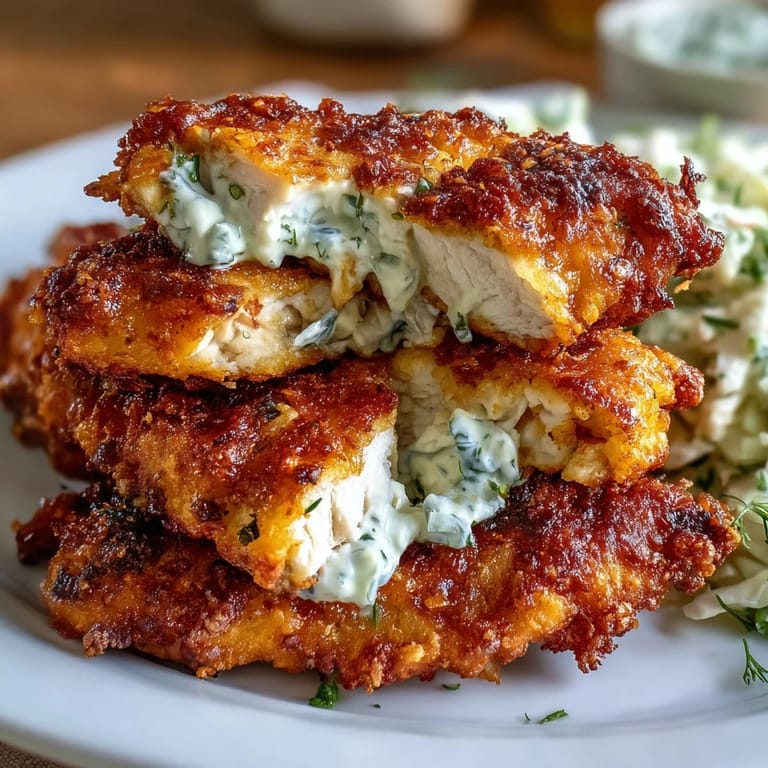
Save There's something magical about discovering that crispy, crunchy textures don't need breadcrumbs to exist. My kitchen experiment started on a Tuesday when I had chicken tenders defrosting and absolutely nothing traditional to coat them with—no panko, no regular flour, just determination and a block of Parmesan. The moment those golden, nutty-crusted pieces emerged from the skillet, I realized I'd stumbled onto something that would become a weeknight staple. Now this dish sits at the intersection of indulgence and everyday eating, where diet choices feel less like sacrifice and more like genuine pleasure.
I made this for my sister during a summer visit when she'd just started her keto journey and felt frustrated by the sameness of her meal prep. Watching her face when that first crispy piece hit her mouth—that little moment of surprise and satisfaction—reminded me why cooking for people matters. She asked for the recipe that same evening, and I haven't heard from her since without her mentioning she's made it again. Those small wins are why I keep coming back to this one.
Ingredients
- Chicken tenders: Use fresh or recently thawed for the best texture; avoid anything that's been sitting in the fridge more than two days as they dry out quickly.
- Large egg: This acts as your glue, so one is plenty when mixed with cream—too much and your coating becomes gummy.
- Heavy cream: The 2 tablespoons make the coating mixture sticky enough to adhere properly without adding liquid that would make it soggy.
- Grated Parmesan cheese: Freshly grated makes a real difference in how crispy the crust becomes; pre-shredded varieties have additives that prevent browning as efficiently.
- Almond flour: This gives you the bulk and crunch, plus it browns beautifully when fried, creating those addictive golden flecks you're craving.
- Garlic powder and smoked paprika: These season throughout the coating so every single bite tastes intentional, not bland.
- Olive oil for frying: Use a high-heat tolerant oil; the sizzle and aroma when chicken hits that hot pan is half the appeal of cooking this dish.
- Shredded cabbage and carrots: Buy pre-shredded if you're short on time—nobody's watching, and it cuts your prep work in half without sacrificing the final result.
- Sugar-free ranch dressing: The store-bought version saves you time, though homemade is lovely if you have buttermilk on hand.
- Fresh chives and dill: These bright little additions stop the slaw from tasting like an afterthought; they're what makes people ask for seconds.
Tired of Takeout? 🥡
Get 10 meals you can make faster than delivery arrives. Seriously.
One email. No spam. Unsubscribe anytime.
Instructions
- Prep your station:
- Line your baking sheet with parchment paper and preheat the oven to 400°F while you gather everything else—the oven needs those few minutes to reach temperature, and you want your workspace organized so you're not hunting for things mid-cook.
- Make the egg wash:
- Whisk the egg and heavy cream together in a shallow bowl until the mixture looks uniform and slightly thick. This isn't a traditional egg wash, so that cream is essential for creating the right consistency.
- Mix the crust:
- Combine the Parmesan, almond flour, garlic powder, paprika, salt, and pepper in another shallow dish, stirring everything together so the seasoning distributes evenly. If you taste a tiny pinch and it feels underseasoned, trust that instinct—add a bit more salt now rather than regretting it later.
- Coat each tender:
- Dip each piece into the egg mixture, letting excess drip off, then roll it in the Parmesan mixture, pressing gently so the coating adheres and doesn't just sit on the surface. This pressing step matters more than it sounds—it's the difference between crispy and merely coated.
- Get the pan hot:
- Heat your olive oil in a large non-stick skillet over medium-high heat until it shimmers and moves like water, not honey. When a tiny pinch of the coating mixture hits that oil and immediately sizzles, you know you're ready.
- Fry with confidence:
- Working in batches so you don't overcrowd the pan, place coated tenders into the hot oil and let them sit for 2-3 minutes per side until the coating turns deep golden and you can smell that toasted almond and Parmesan fragrance. Don't move them constantly; that golden crust needs time to develop.
- Transfer and finish baking:
- Move the browned tenders to your prepared baking sheet and slide them into the oven for 10-12 minutes, ensuring the chicken cooks through without the coating getting dark. This hybrid method ensures juicy insides with a crispy exterior.
- Assemble the slaw:
- While everything bakes, toss your shredded cabbage, carrots, chives, and dill with the ranch dressing and seasonings, mixing until every strand gets coated. Taste it and adjust—if it needs more tang, add a squeeze of fresh lemon juice.
- Bring it together:
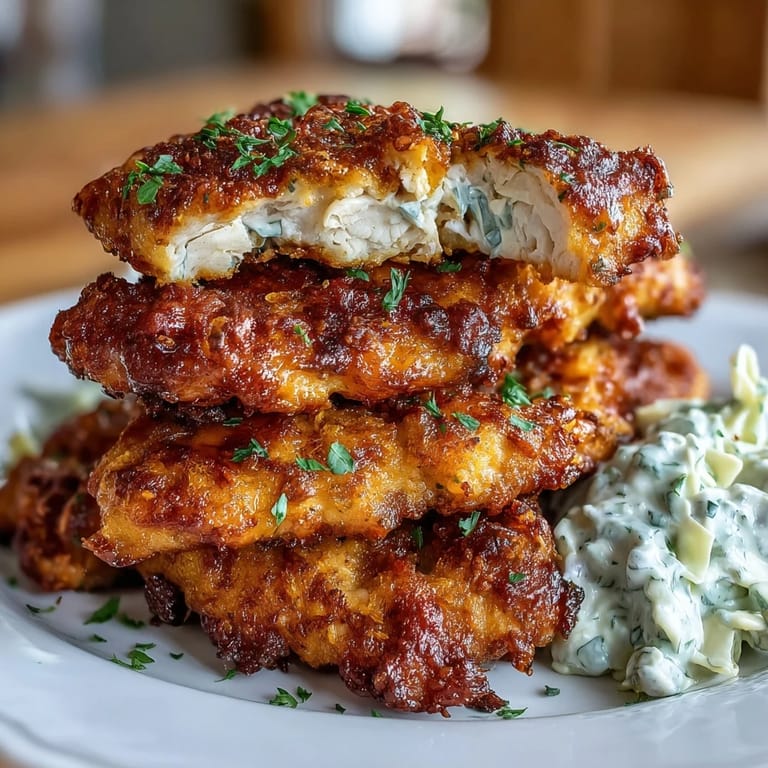
- Plate the hot chicken tenders alongside a generous mound of the cool, creamy slaw, letting the contrast of temperatures and textures make each bite interesting.
 Save
Save This dish has a way of turning ordinary weeknights into something that feels like you put real effort in, even though you didn't—that's the secret weapon energy of good cooking. There's something deeply satisfying about feeding people something that tastes indulgent while fitting perfectly into their health goals, making nobody feel like they're missing out.
Why This Crust Works
The genius of the Parmesan-almond coating lives in the fact that both ingredients brown beautifully on their own, creating layers of flavor that breadcrumbs never could achieve. Parmesan has a naturally high protein content that crisps up golden, and almond flour brings a subtle nuttiness plus enough fat to develop that satisfying crunch. Traditional flour relies on gluten structure to hold everything together; here, the egg acts as your binder while the cheese and nut flour do the heavy lifting on texture and taste. The result is a coating that doesn't feel like a substitute—it feels intentional and genuinely better.
The Slaw Strategy
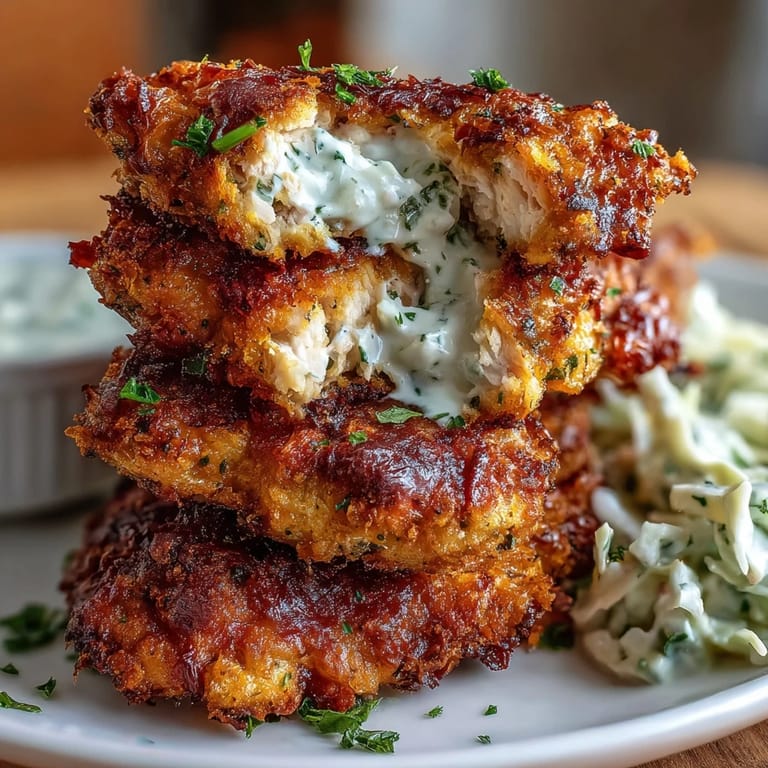
Pairing something crispy with something cool and creamy is one of cooking's most effective flavor tricks, and this slaw exists specifically to make your chicken tenders taste better than they would alone. The shredded vegetables provide a lightness that balances the richness of the breaded chicken, while the fresh herbs prevent the whole plate from feeling heavy. A good slaw also gives you something to do with your fork between bites of the main event, which keeps eating interesting and mindful. Think of it as the supporting actor that makes the lead look even better.
Storage and Leftovers
These tenders keep in an airtight container in the fridge for up to three days, though the crust will soften with time as it absorbs moisture from the chicken—they're best eaten within 24 hours if you care about that shatter factor. Reheating in a 350°F oven for about 5 minutes restores some of that crispness much better than a microwave would. The slaw is best made fresh, but if you're prepping ahead, keep the dressing separate and toss everything together just before serving, which keeps the vegetables from getting waterlogged. These practical choices protect the dish you worked to create.
- Store tenders in an airtight container to slow moisture absorption and keep them crispy longer.
- Make slaw dressing first but dress the vegetables just before plating to maintain crunch.
- Reheat in the oven rather than microwave to restore the crust to something closer to its original state.
 Save
Save This recipe proves that eating well doesn't mean eating boring, and that's a lesson worth remembering every time you're standing in front of the stove. Make this when you need something that feels like a treat but aligns with how you want to nourish yourself, and watch how quickly it becomes something people ask you to make again.
Recipe Guide
- → What gives the chicken tenders their crispy crust?
The crust is created using a mixture of grated Parmesan cheese and almond flour, combined with spices, which crisps up nicely when fried and baked.
- → Can I prepare this dish without frying?
While frying helps achieve a golden crust, you can bake the coated tenders directly, though they may be less crisp.
- → What is in the ranch slaw?
The slaw features shredded green and red cabbage, carrots, ranch dressing, fresh chives, dill, salt, and pepper for a creamy, tangy side.
- → Is this dish suitable for gluten-free diets?
Yes, the use of almond flour instead of wheat flour makes this low in carbs and gluten-free.
- → Can I substitute ranch dressing in the slaw?
Greek yogurt is a great lighter alternative that complements the fresh vegetables in the slaw.