 Save
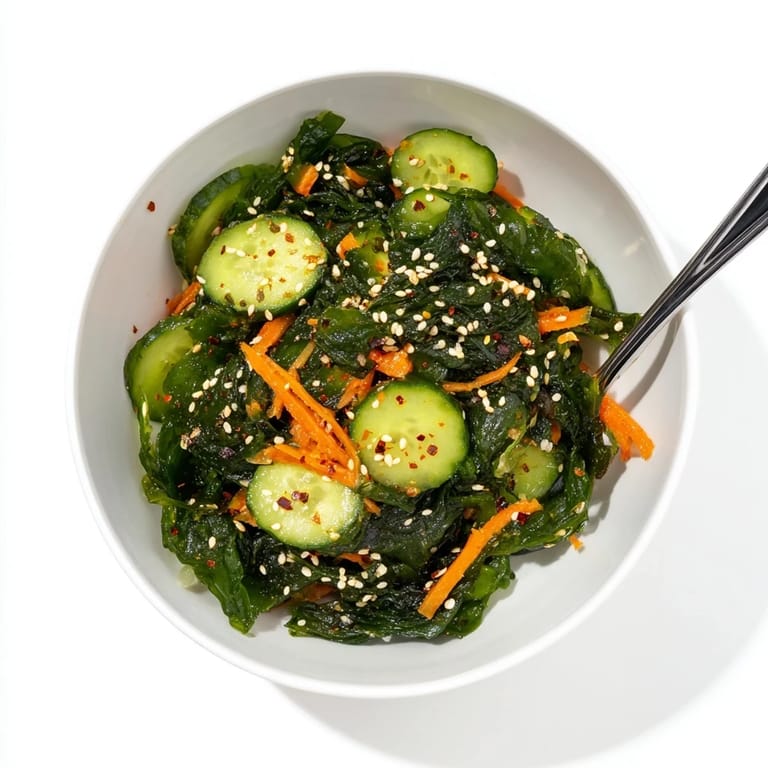
Save Last summer at a tiny Japanese izakaya tucked between a laundromat and a pet shop, I ordered what I thought would be a simple side dish. The seaweed salad arrived glistening like jewels, cool against the humid evening, and I found myself ignoring my hot ramen entirely. The owner noticed and laughed, telling me her grandmother believed seaweed was the ocean's vitamin. That bowl taught me that the simplest ingredients, treated with respect, become something magical.
I made this for a dinner party last month when temperatures hit ninety degrees and nobody wanted anything hot. My friend Sarah, who claims to hate anything from the sea, went back for thirds. Now she texts me asking when Im making the green noodles again. Some dishes just win people over quietly.
Ingredients
- 30 g dried wakame seaweed: Expands dramatically when rehydrated, so a little goes a long way. The mild sweetness makes it perfect for beginners to sea vegetables.
- 1 small cucumber, thinly sliced: Adds essential crunch and water content to balance the salty seaweed. English cucumbers work beautifully because they have fewer seeds.
- 1 small carrot, julienned: Brings natural sweetness and a gorgeous orange contrast against the deep green of the wakame.
- 2 scallions, thinly sliced: Their mild onion flavor bridges the gap between earthy seaweed and bright dressing.
- 2 tbsp toasted sesame oil: The backbone of the dressing, toasted not regular makes a huge difference here.
- 1 ½ tbsp rice vinegar: Provides gentle acidity without overpowering the delicate seaweed flavor.
- 1 tbsp low-sodium soy sauce or tamari: Tamari keeps it gluten-free and has a slightly deeper, less sharp flavor than soy sauce.
- 1 tbsp freshly grated ginger: Grate it on a microplane for the best texture and flavor release.
- 1 tbsp maple syrup or honey: Just enough to round out the acidity and highlight the natural sweetness of the vegetables.
- 1 tsp toasted sesame seeds: Mixed into the dressing for depth and extra nuttiness.
- ½ tsp chili flakes: Optional, but that tiny hint of heat makes everything else sing.
- 1 tbsp toasted sesame seeds and 1 tbsp chopped fresh cilantro or parsley: The finishing touches that make it look restaurant-worthy.
Tired of Takeout? 🥡
Get 10 meals you can make faster than delivery arrives. Seriously.
One email. No spam. Unsubscribe anytime.
Instructions
- Wake up the seaweed:
- Place the dried wakame in a bowl and cover generously with cold water. Let it soak for 7 to 10 minutes until it transforms into tender, silky strands. Drain well and gently squeeze out excess water, being careful not to mash it.
- Build the colorful base:
- In a large bowl, combine the rehydrated seaweed with your sliced cucumber, julienned carrot, and scallions. The colors alone should make you smile.
- Whisk up the magic:
- In a small bowl, whisk together the sesame oil, rice vinegar, soy sauce or tamari, grated ginger, maple syrup or honey, sesame seeds, and chili flakes if youre using them. Keep whisking until the mixture emulsifies slightly and looks glossy.
- Bring it together:
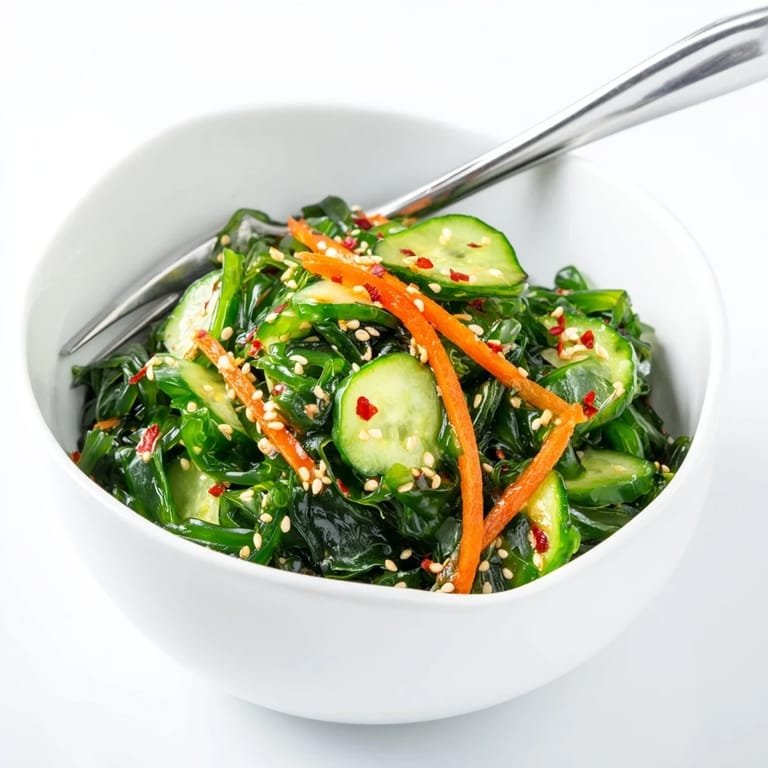
- Pour the dressing over the salad and toss gently with tongs or your hands. You want every strand of seaweed and every crisp vegetable to be kissed by the sesame-ginger mixture.
- Finish with flair:
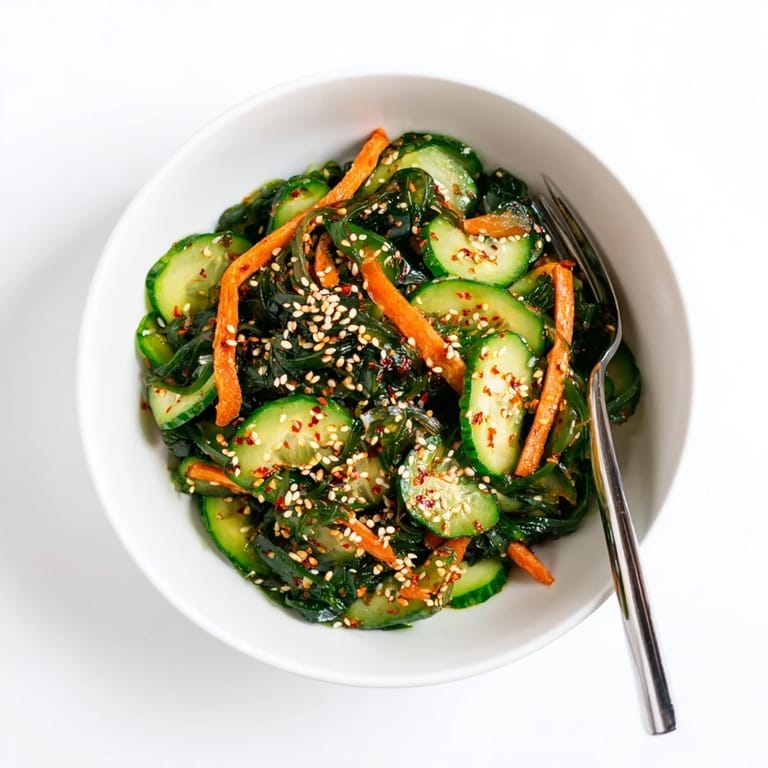
- Transfer to your serving bowl and sprinkle with the additional sesame seeds and fresh herbs. Serve right away for the crunchiest texture or let it chill briefly for the flavors to meld.
 Save
Save This recipe has become my go-to whenever life feels overwhelming. Standing at the counter, julienning carrots and whisking dressing, feels like a meditation. There is something about working with ingredients from the sea that puts everything into perspective.
Make It Your Own
Thinly sliced radish, shredded red cabbage, or even bell peppers can join the vegetable medley for extra color and crunch. I have thrown in edamame when I wanted more protein, and avocado slices turn it into something almost luxurious.
Perfect Pairings
This salad shines alongside miso soup, tempura vegetables, or simply served over steamed brown rice for a light lunch. A cold glass of sake or a mug of green tea makes the whole experience feel transported to a quiet corner of Tokyo.
Storage and Make-Ahead Tips
The flavors actually improve after a few hours in the refrigerator, making it perfect for meal prep or potlucks. Store leftovers in an airtight container for up to two days, though the vegetables will soften slightly.
- Keep the dressing separate if you plan to store it for more than a day
- Add fresh herbs just before serving so they stay vibrant and dont wilt
- The seaweed will continue to release liquid, so give it a quick drain before serving leftovers
 Save
Save I hope this salad finds its way into your regular rotation, brightening up even the simplest meals with its ocean-kissed magic.
Recipe Guide
- → What type of seaweed works best for this salad?
Dried wakame seaweed is ideal because it rehydrates quickly and has a tender texture. Soak for 7-10 minutes until fully expanded and soft, then drain well before combining with vegetables.
- → Can I make this seaweed salad ahead of time?
Yes, you can prepare it up to 2 days in advance. Store in an airtight container in the refrigerator. Note that the vegetables will soften over time, so for the crunchiest texture, add fresh cucumbers just before serving.
- → Is this dish suitable for special diets?
This salad is naturally vegan. To make it gluten-free, simply substitute tamari for regular soy sauce. The dish contains sesame and soy, so avoid it if you have allergies to these ingredients.
- → How can I adjust the flavor balance?
Taste the dressing before tossing. Add more maple syrup for sweetness, extra rice vinegar for acidity, or additional chili flakes for heat. The dressing should balance tangy, savory, and slightly sweet notes.
- → What vegetables can I add for more variety?
Thinly sliced radish, shredded red cabbage, bell pepper strips, or edamame beans all work wonderfully. Just keep vegetables thinly sliced or julienned for the best texture and presentation.