 Save
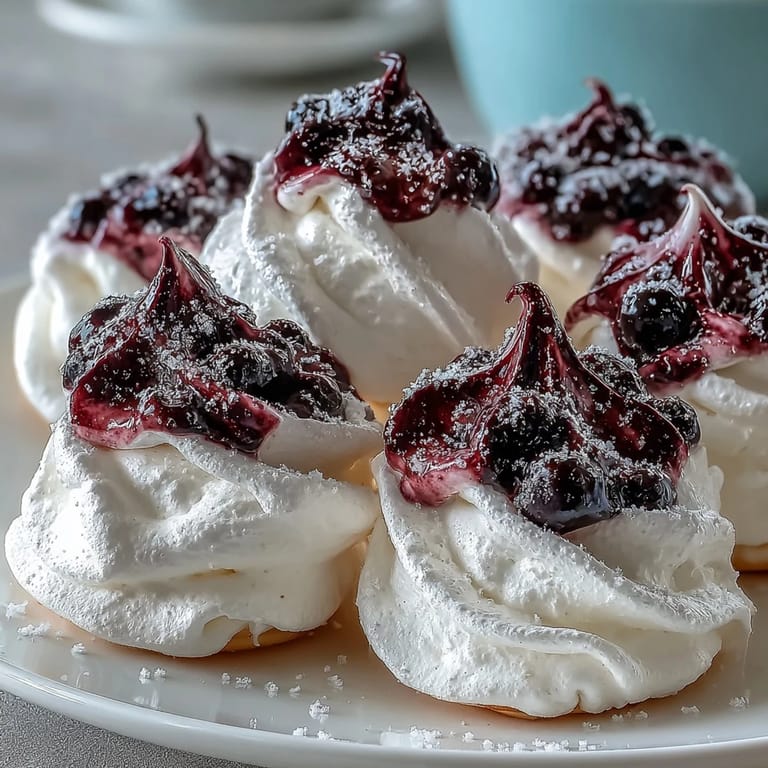
Save One afternoon, while rifling through a specialty food shop, I spotted a jar of freeze-dried blackcurrant powder and couldn't resist buying it on impulse. That evening, I stood in my kitchen staring at this vibrant magenta dust and wondered what on earth to do with it. Then it hit me: meringues. The idea of swirling that tart, fruity powder into clouds of crispy-on-the-outside, marshmallowy-on-the-inside goodness felt like the perfect match. What started as a kitchen experiment became something I now make whenever I need to impress people with minimal effort.
I made these for a dinner party once and watched my friend Sarah bite into one, her eyes go wide, and then she ate four more without saying a word. Later she told me they reminded her of a bakery she visited in Copenhagen, except with this unexpected tangy twist that made her keep reaching back for another. That moment taught me that simple, unusual flavor combinations can feel more special than anything complicated.
Ingredients
- Egg whites (4 large, room temperature): Cold egg whites won't whip up properly, so let them sit on the counter for about 30 minutes—this makes a real difference in how stiff and glossy your peaks become.
- Superfine sugar (1 cup/200 g): Regular sugar works too, but superfine dissolves faster and gives you that silky texture that makes meringues feel luxurious on your tongue.
- Cream of tartar (1/4 tsp): This acidic ingredient stabilizes the egg whites and helps them hold their shape, preventing that weeping that can happen if you skip it.
- Salt (1/4 tsp): A pinch of salt sounds small, but it brightens the sweetness and makes the blackcurrant flavor pop even more.
- Blackcurrant powder (2 tbsp freeze-dried, finely ground): Look for this in specialty shops or online—it has an almost tart, jammy intensity that regular fruit powder can't match.
- Lemon juice (1 tsp, optional): This enhances the tangy notes and adds complexity without making the meringues taste obviously citrusy.
Tired of Takeout? 🥡
Get 10 meals you can make faster than delivery arrives. Seriously.
One email. No spam. Unsubscribe anytime.
Instructions
- Set the stage:
- Preheat your oven to 225°F (110°C) and line two baking sheets with parchment paper. A low, slow oven is your secret weapon here—it dries out the meringues gently rather than browning them.
- Start whipping:
- In a clean, completely dry bowl, whisk the egg whites and cream of tartar on medium speed until they become foamy and start to build volume. Any trace of yolk or grease will ruin this, so wash your bowl and beaters with hot soapy water and dry them thoroughly.
- Sugar time:
- Add the sugar one tablespoon at a time, whisking continuously until the mixture transforms into stiff, glossy peaks that stand straight up when you lift the beaters. This takes patience—rushing it will give you grainy meringues.
- Add the finishing touches:
- Beat in the salt and lemon juice if using, letting them incorporate fully and add a subtle brightness to the base.
- Marble in the magic:
- Gently fold in 1 tablespoon of the blackcurrant powder using a spatula, creating a marbled effect without deflating all those air bubbles you worked so hard to create. Work slowly and deliberately here.
- Shape and dust:
- Using a spoon or piping bag, scoop or pipe meringues onto your prepared trays about 1 inch apart, then dust the tops with the remaining blackcurrant powder for extra color and a taste of tartness in every bite.
- The long, slow bake:
- Bake for 1 hour 30 minutes until the meringues are crisp and lift easily from the parchment without sticking. They should feel dry to the touch but not browned.
- Cool with patience:
- Turn off the oven and crack the door open slightly, letting the meringues cool inside for at least 1 hour. This gradual temperature drop prevents cracks and keeps them delicate.
- Store and savor:
- Once completely cool, store them in an airtight container where they'll stay crispy for up to a week.
 Save
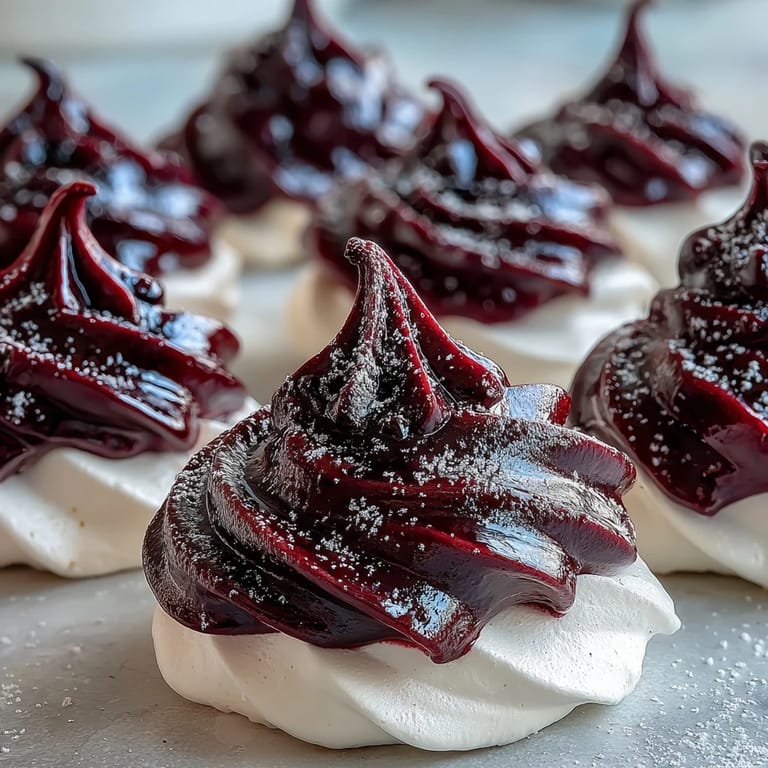
Save There's something almost meditative about watching meringues bake, their edges slowly turning from glossy white to pale cream while their insides dry out into pure, airy sweetness. I often make a cup of tea and sit nearby, knowing that patience is the real ingredient here.
When to Serve These
Fresh meringues shine on their own as a light after-dinner treat, but they're also gorgeous alongside whipped cream and fresh berries for something that looks like you spent all day on it. They pair beautifully with tea or coffee, their delicate crispness a perfect counterpoint to something warm and comforting.
Flavor Variations Worth Trying
Blackcurrant is wonderful, but this recipe is flexible enough to play with other freeze-dried fruits. Raspberry powder gives a slightly softer tartness, while blueberry offers earthier, more subtle notes. You can even combine two powders for a more complex flavor, using half a tablespoon of each.
Storage and Make-Ahead Wisdom
These meringues actually improve slightly after sitting for a day or two, as their flavors settle and meld together. Keep them in an airtight container at room temperature, never in the refrigerator where humidity will soften them into disappointment. I learned to layer mine between parchment paper in a container to prevent them from sticking together.
- Make them a day or two ahead of a party and store them away from steam and moisture.
- If they do soften slightly, pop them back in a 200°F oven for 10 minutes to re-crisp them.
- Don't refrigerate or freeze—room temperature in an airtight container is their happy place.
 Save
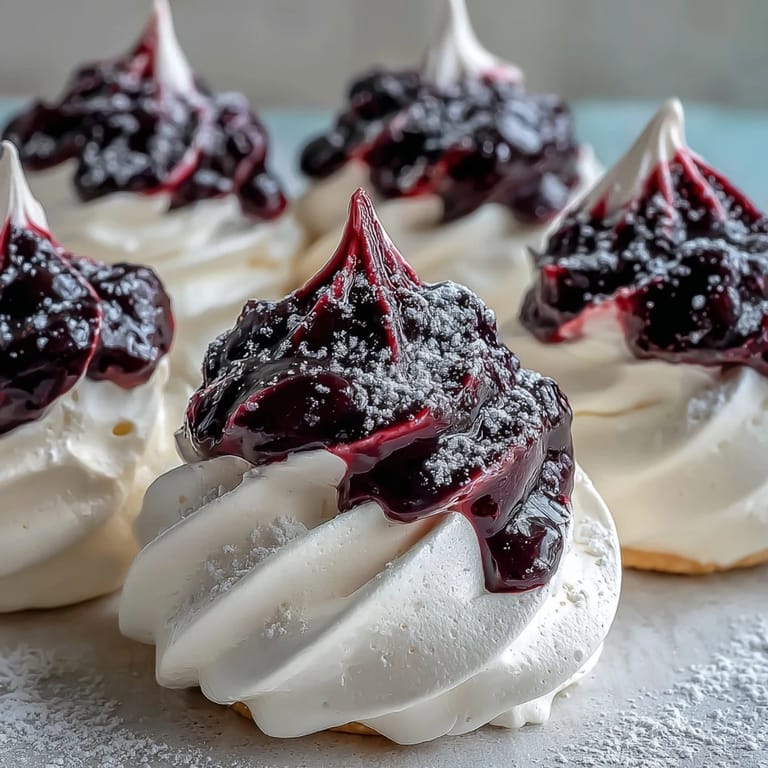
Save These meringues prove that sometimes the most impressive desserts are also the simplest to make. A jar of freeze-dried fruit powder and a few egg whites can create something memorable.
Recipe Guide
- → What gives these meringues their purple color?
The vibrant purple swirl comes from blackcurrant powder, which is made from freeze-dried blackcurrants ground into a fine powder. It adds both intense color and tangy fruity flavor without adding excess liquid that could deflate the meringue.
- → Can I substitute blackcurrant powder with other fruit powders?
Absolutely. Raspberry powder, blueberry powder, or even freeze-dried strawberry powder work beautifully. Each will impart its own unique flavor profile and color while maintaining the same technique.
- → Why is it important to cool meringues in the oven?
Cooling gradually in the turned-off oven prevents thermal shock that can cause cracks or collapse. The slow cooling helps maintain the crisp texture and structural integrity of these delicate treats.
- → How should I store black currant meringues?
Store them in an airtight container at room temperature, away from humidity and direct sunlight. Properly stored, they'll stay crisp for up to two weeks. Avoid refrigeration as moisture can make them chewy.
- → What's the purpose of cream of tartar in meringues?
Cream of tartar stabilizes the egg whites, helping them achieve stiff peaks and maintain volume. It also prevents the sugar from crystallizing, resulting in that signature smooth, glossy texture.
- → Can I make these meringues without an electric mixer?
While possible with a hand whisk and considerable elbow grease, an electric mixer or stand mixer is highly recommended. Achieving stiff, glossy peaks by hand takes 10-15 minutes of vigorous whisking and may not yield the same consistent results.