 Save
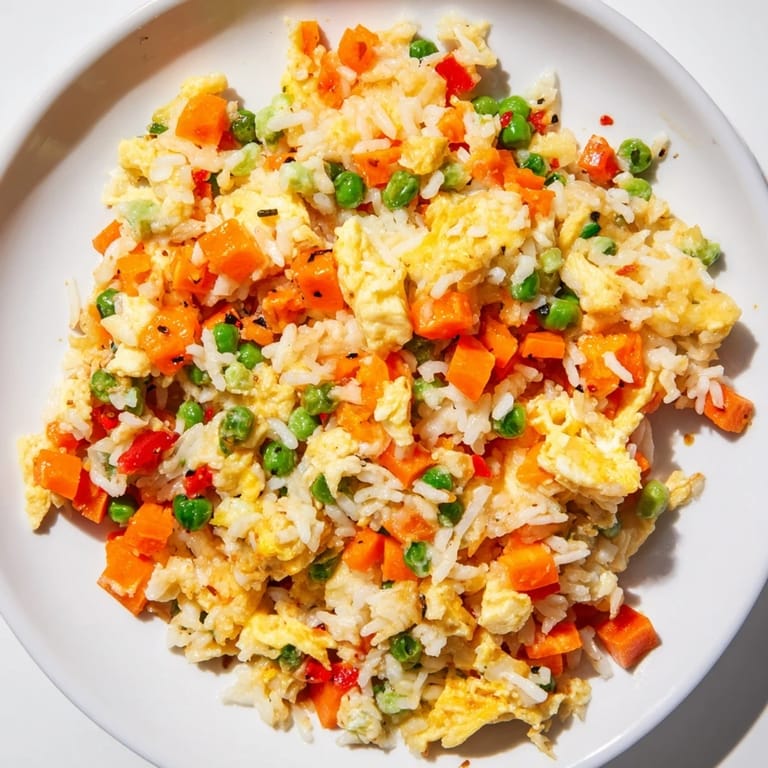
Save There's something magical about transforming yesterday's rice into dinner, especially when you're tired and hungry. I discovered this when a friend dropped by unexpectedly on a Tuesday night, and I had nothing in the fridge except cold rice and a few eggs. Within minutes, the smell of scrambled eggs and soy sauce filled the kitchen, and she ended up staying an extra hour just to chat over bowls of this simple, golden fried rice. That night taught me that the best meals aren't always the most complicated ones.
I made this for my roommate during one of those late nights when we were both too broke and too tired for takeout. She watched me move around the stove with the kind of focus usually reserved for someone defusing a bomb, tossing rice with one hand while the other guided eggs into the pan. By the time I plated it, she was already setting the table, and we ate standing up at the counter, barely talking because the food said everything. That's when I realized this dish had quietly become our thing.
Ingredients
- Cold leftover rice (2 cups): Day-old rice is non-negotiable here because the grains are already separated and won't turn mushy when you stir-fry them. If you only have warm rice, spread it on a plate to cool it down first.
- Eggs (2 large): These become your creamy texture and protein; beat them gently before cooking so they scramble into soft, pillowy curds.
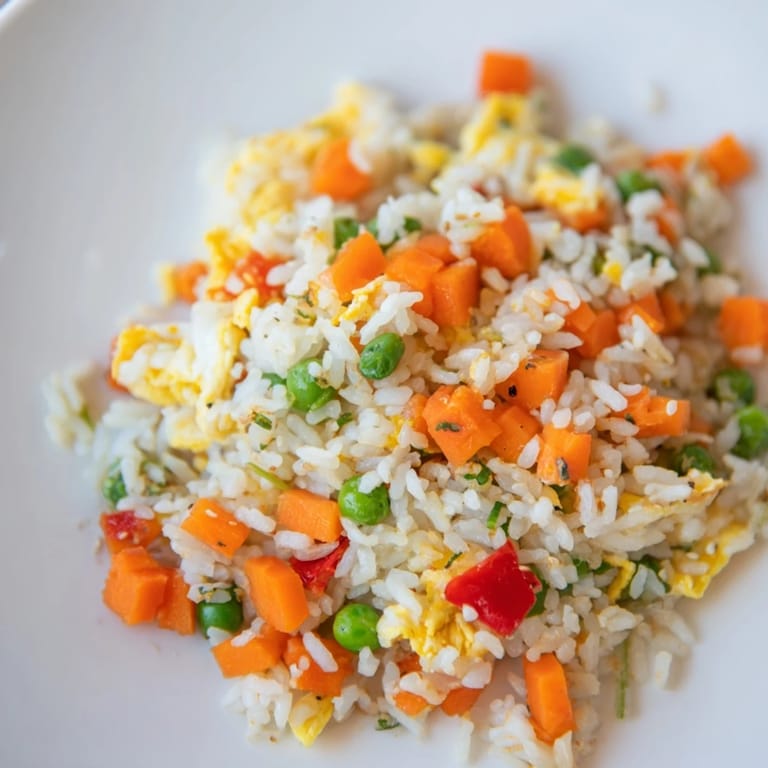
- Carrots and bell pepper (1 cup total): Dice them small so they soften quickly and distribute evenly throughout the rice without overpowering it.
- Frozen peas (1/2 cup): They thaw in seconds and add a subtle sweetness that balances the savory soy sauce beautifully.
- Scallions (1/4 cup): Use half during cooking for flavor and reserve the other half as a bright, fresh garnish.
- Soy sauce (2 tablespoons): This is your seasoning backbone, so taste as you go and adjust if your rice seems underseasoned.
- Sesame oil (1 teaspoon): A little goes a long way here; it adds a nutty warmth that makes everything feel more intentional.
- Vegetable oil (2 tablespoons): Keep your oil neutral so the sesame oil and soy can shine without competition.
Tired of Takeout? 🥡
Get 10 meals you can make faster than delivery arrives. Seriously.
One email. No spam. Unsubscribe anytime.
Instructions
- Set yourself up for success:
- Gather everything and prep it before you start cooking. Dice your carrots and bell pepper into small, even pieces, thaw your peas if they're frozen, and beat your eggs in a small bowl until they're pale and just slightly foamy. This is when you'll feel like you have your act together.
- Scramble the eggs first:
- Heat 1 tablespoon of oil in a large skillet or wok over medium-high heat until it shimmers. Pour in the eggs and let them sit for just a second before stirring gently, breaking them into soft, creamy curds. Once they're barely set, slide them onto a plate and breathe.
- Build flavor with vegetables:
- Add the remaining oil to the same pan and toss in your carrots and bell pepper. Sauté for about 2 minutes, listening for the gentle sizzle and watching the colors brighten slightly. They should still have a tiny bit of crunch when you add the peas and half the scallions for another minute.
- Bring the rice into the party:
- Add your cold rice and use a spatula to break up any clumps, stirring constantly for 2 to 3 minutes. You're looking for the rice to heat through and start catching a little color where it touches the hot pan. That's when you know it's almost done.
- Tie everything together:
- Drizzle the soy sauce and sesame oil over the rice and toss everything thoroughly, making sure the seasoning reaches every corner. Return the scrambled eggs to the pan, give it all one more minute of stirring, and taste for salt and pepper.
- Finish and serve:
- Remove from heat, scatter the remaining raw scallions on top for brightness, and serve immediately while it's still steaming. This is the moment where it all feels worth it.
 Save
Save I made this dish for my nephew when he was learning to cook, and watching his face light up when he took the first bite reminded me that the simplest things often taste best. He asked for the recipe right then, and I realized I was handing him not just instructions, but permission to feed himself well on nights when nothing else feels possible.
Why Cold Rice Changes Everything
The difference between mushy fried rice and the kind with individual, glistening grains comes down to one thing: moisture. Cold rice has lost its steam and excess water, so when it hits the hot oil, it absorbs flavor instead of falling apart. I learned this by accident after trying to use warm rice and ending up with something that looked more like rice porridge. Now I'm that person who always saves leftovers, knowing they're not just food waste but the foundation for something better tomorrow.
Building Layers of Flavor
The order in which you add ingredients isn't just a suggestion—it's how you build a dish that tastes intentional. Cooking vegetables first softens them just enough, then the rice gets its chance to warm through and absorb the oil, and finally the soy sauce and sesame oil come in to tie everything together with umami. Each step matters, and when you follow them in order, you're not just following a recipe, you're actually learning how flavors work.
Make It Yours Without Overthinking It
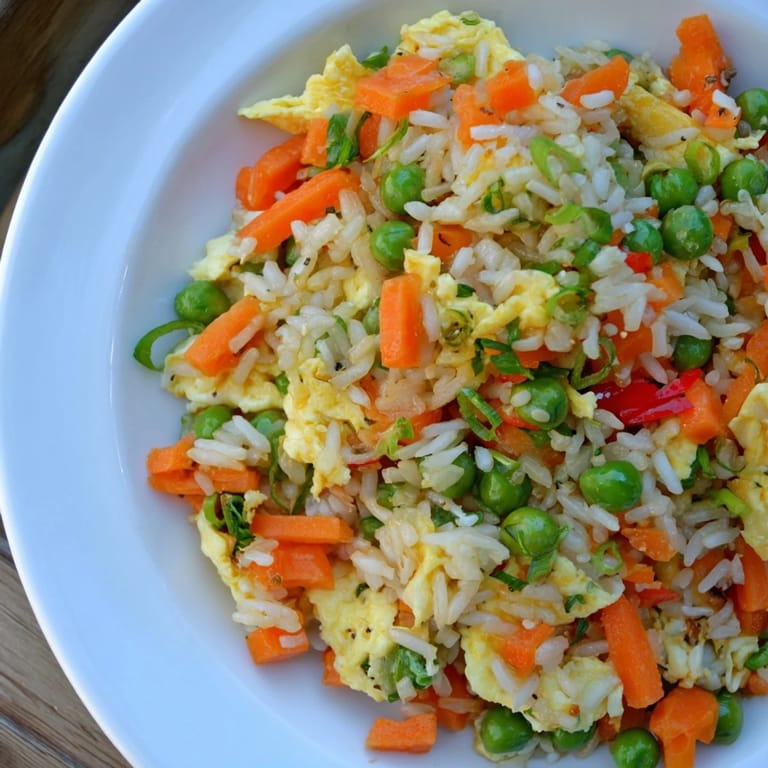
This is the beauty of fried rice: it's flexible enough to work with whatever you have in your kitchen, but not so flexible that you can mess it up. I've made it with corn instead of carrots, with snap peas instead of regular peas, and once with the last sad pieces of broccoli taking up real estate in my freezer. The structure stays solid, but the flavors shift based on what you bring to the pan.
- Swap in any vegetables you like—frozen broccoli, fresh mushrooms, or even leftover cooked squash all work beautifully.
- Add cooked chicken, shrimp, or crumbled tofu for extra protein without changing the cooking time or technique.
- A pinch of minced garlic or fresh ginger added with the vegetables brings an unexpected warmth that makes people ask what your secret is.
 Save
Save This dish has become my answer to those nights when I need something fast, nourishing, and honest. It reminds me that good cooking doesn't require fancy techniques or rare ingredients—just attention and respect for what you're putting on the plate.
Recipe Guide
- → What type of rice is best for this dish?
Day-old, cold rice works best as it prevents clumping and creates a perfect texture when stir-fried.
- → Can I add other vegetables to the dish?
Yes, vegetables like corn, snap peas, or broccoli can be used based on what’s available.
- → Is there a recommended oil for stir-frying?
Neutral oils like vegetable oil work well, along with a small amount of sesame oil for added flavor.
- → How can I enhance the flavor further?
Adding a pinch of garlic or ginger while sautéing vegetables adds a nice depth of flavor.
- → Is it possible to include protein besides eggs?
Yes, cooked chicken, shrimp, or tofu can be added for extra protein.