 Save
Save There's a Tuesday night I'll never forget—standing in my kitchen with an empty fridge, a deadline looming, and absolutely no energy for complexity. All I had was pasta, butter, and a wedge of Parmesan that had somehow survived. I'd eaten fancy cacio e pepe before, but this felt different: desperate, honest, and somehow exactly what I needed. Twenty minutes later, I was twirling silky strands onto a plate, the sauce clinging like it was meant to be. That meal taught me that the simplest ingredients, treated with patience and respect, can be more satisfying than anything complicated.
I made this for my roommate on a chaotic Friday after we'd both had the kind of day that breaks you. No time for planning, no fancy presentations—just two bowls of pasta that somehow made everything feel manageable again. She took one bite and looked at me like I'd been holding out on her. That's when I realized this recipe wasn't about impressing anyone; it was about showing up for people, even when you're running on empty.
Ingredients
- Dried pasta (200 g): Spaghetti, linguine, or fettuccine all work beautifully—choose whatever you reach for naturally. The shape matters less than cooking it precisely to al dente; anything softer and your sauce won't cling the way it should.
- Unsalted butter (50 g): This is where quality quietly matters. Use real butter, not margarine, because it's the foundation of your sauce and there's nowhere to hide. Cold butter melts unevenly, so let it sit out for a few minutes if you remember.
- Freshly grated Parmesan (60 g): Please grate it yourself—pre-grated cheese has anti-caking agents that interfere with the emulsion. I learned this the hard way when my sauce turned grainy instead of silky.
- Pasta water (60–80 ml): This starchy liquid is the secret ingredient nobody talks about. It's what transforms butter and cheese from separate components into an actual sauce, so don't skip reserving it.
- Salt and black pepper: Taste as you go; pasta water is already salty, so be gentle with additional seasoning.
Tired of Takeout? 🥡
Get 10 meals you can make faster than delivery arrives. Seriously.
One email. No spam. Unsubscribe anytime.
Instructions
- Get your water boiling and pasta cooking:
- Bring a large pot of generously salted water to a rolling boil—it should taste like the sea. Add your pasta and stir it in the first minute so nothing sticks together. Check the package timing, then start tasting one minute before it's supposedly done.
- Save the liquid gold:
- Before draining, ladle about 150 ml of starchy pasta water into a measuring cup or small bowl. This is what transforms your dish from dry to silky, so don't let it go down the drain. Drain the pasta carefully in a colander.
- Combine everything while it's hot:
- Return the hot pasta to the empty pot (off the heat so nothing burns). Add your butter immediately and toss gently for about 30 seconds, letting the residual heat melt it evenly. You want every strand coated.
- Build the sauce with Parmesan and patience:
- Sprinkle in your grated Parmesan and pour in about 60 ml of your reserved pasta water. Now toss vigorously—and I mean really toss, lifting and folding the pasta so the starch and cheese emulsify together. If it looks too thick, add more pasta water a splash at a time.
- Taste and finish:
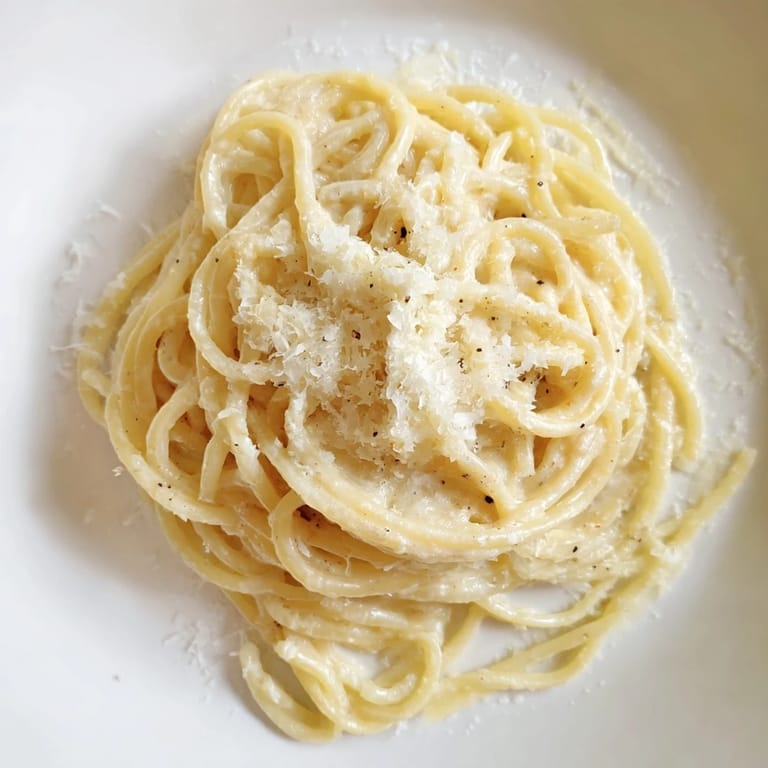
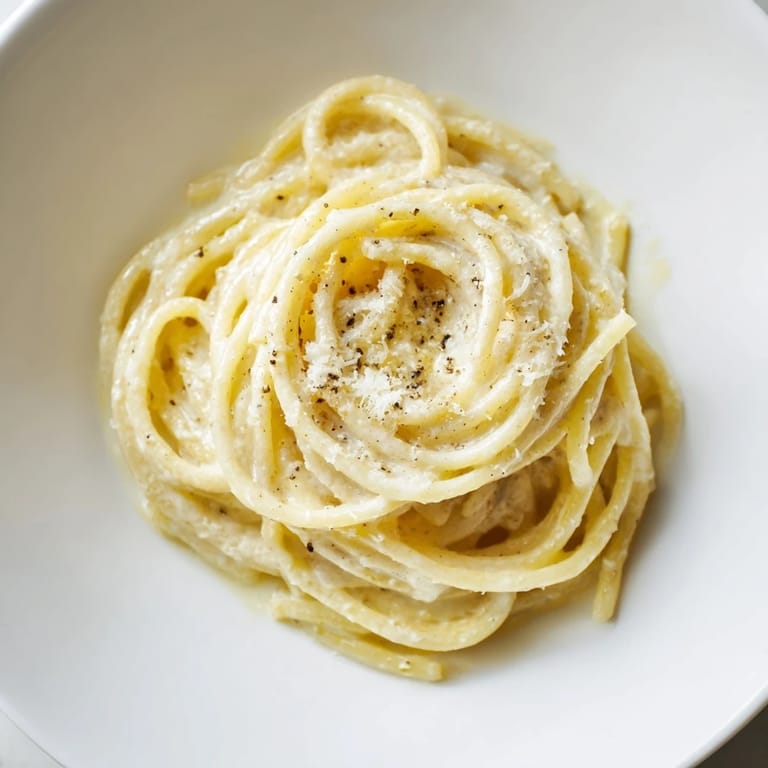
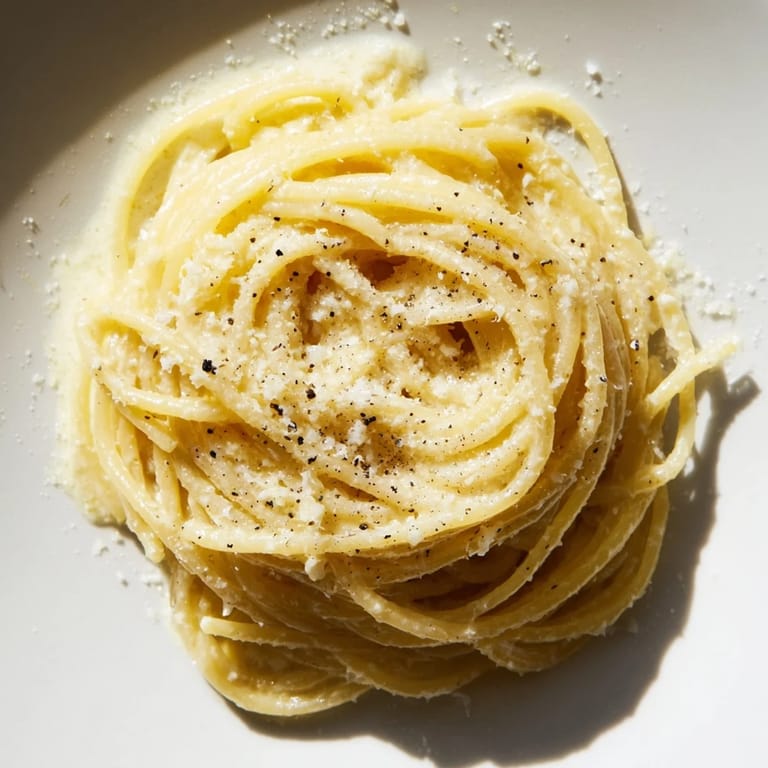
- A pinch of salt, a generous grind of black pepper, and a final toss. The sauce should look creamy and cling to the pasta like it's supposed to be there. Serve immediately into warm bowls, and if you're feeling generous, grate a little more Parmesan on top.
 Save
Save There was a moment, maybe the fifth time I made this, when I stopped thinking about it as a backup plan and started craving it intentionally. My partner noticed I was making it on purpose now, not just when I was tired. That's when I understood: simplicity, when done right, becomes its own kind of luxury.
The Science of Emulsion
What you're really doing here is creating an emulsion—a magical suspension where fat, starch, and water refuse to separate. The Parmesan and pasta starch do the heavy lifting, while the butter provides richness and the water provides the medium. It's the same chemistry that makes hollandaise possible, except friendlier and faster. Understanding this takes the guesswork out of adjusting consistency; you're not just adding water, you're feeding the emulsion what it needs to stay together.
Making It Your Own
The beauty of three ingredients is that there's room to play without losing the plot. Some people add a whisper of nutmeg—nutmeg and cheese is an ancient combination that just works. Others will finish with fresh basil or cracked red pepper, transforming the dish without overwhelming it. I once added lemon zest when I had nothing else, and it became something unexpectedly bright and alive. The bones are strong enough to support whatever small flourish calls to you.
Timing and Texture
The biggest variable isn't ingredients—it's how vigorously you toss and how patient you are with the emulsion process. Lazy tossing means uneven coating and sauce that pools at the bottom of the bowl. Vigorous tossing, the kind that makes your arm work, is what creates the magic. And serving immediately isn't just a suggestion; it's a requirement. Pasta continues to absorb water even after cooking, so every second it sits is a second it gets drier and the sauce gets thicker.
- If your sauce breaks or looks grainy, you likely let everything cool down—next time, work faster and keep heat under control.
- Leftover pasta can be revived with a splash of water and a quick toss in a warm pan, but it'll never be quite as creamy as fresh.
- This recipe scales perfectly for any number of people; just keep the proportions consistent (1 part butter to 1.2 parts Parmesan works as a quick mental math).
 Save
Save This recipe proved to me that cooking doesn't need to be complicated to be good. Some of my favorite meals have been the simplest ones, made without fuss or fanfare, shared with people I care about.
Recipe Guide
- → What type of pasta works best for this dish?
Long noodles like spaghetti, linguine, or fettuccine hold the sauce well and cook quickly for this creamy preparation.
- → How does pasta water contribute to the sauce?
The starchy pasta water helps emulsify butter and cheese, creating a smooth, creamy sauce that clings to the noodles perfectly.
- → Can I use a different cheese than Parmesan?
Yes, Pecorino Romano offers a sharper flavor and works well as a substitute in this simple sauce.
- → Is it necessary to keep the pasta hot when mixing the sauce?
Yes, tossing pasta off heat with butter and cheese while still warm helps the sauce form a creamy consistency without overheating.
- → How can I add extra flavor without complicating the dish?
Try a pinch of freshly grated nutmeg or some chopped fresh herbs like parsley or basil to enhance the flavors subtly.