 Save
Save There's this moment when you're standing at the fishmonger's counter and the salmon catches the light just right—that's when I knew I had to make something that would honor it. A friend had just returned from Seoul with a jar of gochujang, and I had fresh oranges sitting on my counter, so the marriage felt inevitable. The first time I combined these with salmon, the kitchen filled with this incredible aroma of sweet citrus and spiced heat, and I realized I'd stumbled onto something special.
I made this for my partner after a long day, and watching them take that first bite—closing their eyes for a second—reminded me why I love cooking. The sticky glaze had caramelized perfectly, and the fluffy rice soaked up every drop of sauce. It became our go-to dish for impressing people without spending hours in the kitchen.
Ingredients
- Salmon fillets (4, skin-on, about 150g each): The skin keeps everything moist and adds a textural contrast when it crisps up under the broiler.
- Gochujang (2 tablespoons): This Korean chili paste is the backbone of the glaze—it's spicy, funky, and adds a depth that regular hot sauce just can't match.
- Fresh orange juice (1/4 cup): Freshly squeezed makes all the difference; bottled tastes flat and one-dimensional against the other flavors.
- Soy sauce (2 tablespoons): Use good quality if you have it—it's the saltiness that ties everything together.
- Honey (2 tablespoons): This sweetens the glaze and helps it caramelize into that sticky, glossy finish.
- Rice vinegar (1 tablespoon): A touch of acidity that brightens the whole situation and prevents it from tasting cloying.
- Fresh ginger (1 teaspoon grated): Grate it right before you use it—the aroma alone tells you it's worth the extra step.
- Garlic clove (1, minced): Just one, so it adds a whisper of flavor without overpowering the orange.
- Sesame oil (1 teaspoon): A little goes a long way; it adds a warm, nutty undertone that elevates everything.
- Jasmine rice (1 1/2 cups): It's fluffy and slightly fragrant, perfect for soaking up that glaze.
- Water (3 cups): The exact amount matters here for fluffy, not mushy, rice.
- Unsalted butter (2 tablespoons): This makes the rice feel luxurious and creamy without any bitterness from salted butter.
- Salt (1/2 teaspoon): Season the rice gently—you've already got salty glaze coming.
- Scallions (3, thinly sliced): Fresh, bright, and they add a little crunch that cuts through the richness.
- Toasted sesame seeds (1 teaspoon, optional): If you include these, they add a subtle crunch and nuttiness.
- Orange zest (optional): A final pop of color and a hint of citrus oil that ties back to the glaze.
Tired of Takeout? 🥡
Get 10 meals you can make faster than delivery arrives. Seriously.
One email. No spam. Unsubscribe anytime.
Instructions
- Build the glaze:
- In a medium bowl, whisk gochujang, orange juice, soy sauce, honey, rice vinegar, ginger, garlic, and sesame oil together until smooth and well combined. You want no lumps of gochujang—take your time here because this sauce is doing all the heavy lifting.
- Quick marinate the salmon:
- Pat your salmon fillets dry with paper towels (this matters for crisping the skin later). Place them skin-side up in a shallow dish, spoon 2 tablespoons of glaze over each fillet, and turn them to coat. Let them sit for 10 minutes while you get the rice going—no need to overthink timing here.
- Cook the rice:
- Rinse jasmine rice under cold running water until the water runs clear, rubbing the grains gently between your fingers. In a medium saucepan, combine the rinsed rice, 3 cups water, butter, and salt, then bring it to a boil over high heat.
- Simmer and rest:
- Once boiling, reduce the heat to low, cover the pot, and let it simmer undisturbed for exactly 15 minutes. Remove from heat and let it sit covered for another 5 minutes—this resting period is when the magic happens and the rice finishes cooking gently. Fluff with a fork just before serving.
- Prep for broiling:
- While the rice cooks, preheat your broiler to high. Line a baking sheet with foil and lightly oil it so the salmon doesn't stick.
- Broil the salmon:
- Place marinated salmon fillets skin-side down on the prepared sheet and brush with additional glaze. Broil about 5 to 7 inches from the heat source for 6 to 8 minutes, brushing with more glaze halfway through, until the salmon is caramelized on top and flakes easily when tested with a fork (aim for an internal temperature of 52 to 54°C or 125 to 130°F if you like it medium).
- Reduce the remaining glaze:
- While the salmon cooks, pour the leftover glaze into a small saucepan and simmer over medium heat for 2 to 3 minutes, stirring occasionally, until it thickens slightly and coats the back of a spoon. This concentrated sauce is pure umami.
- Plate and serve:
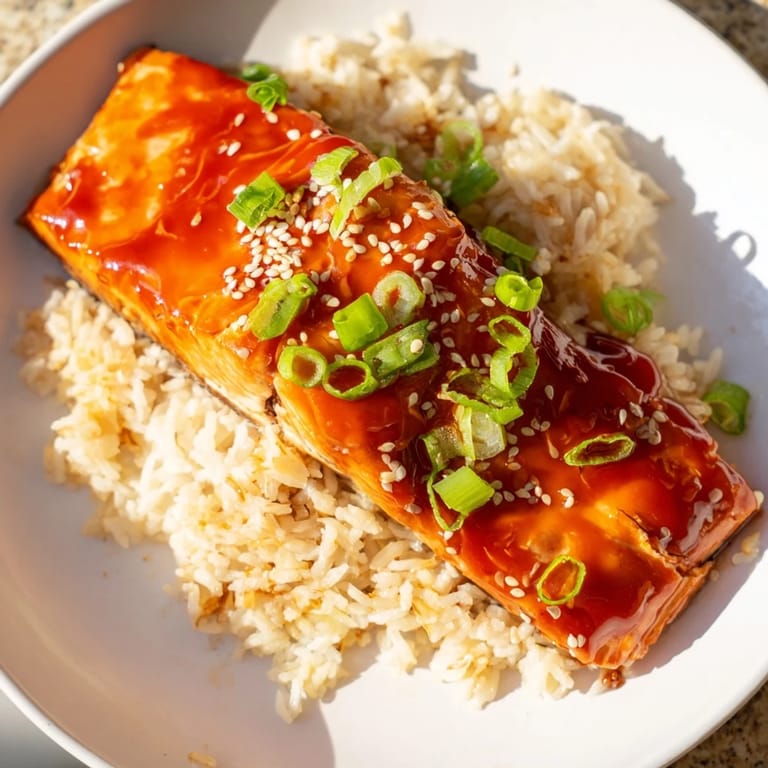
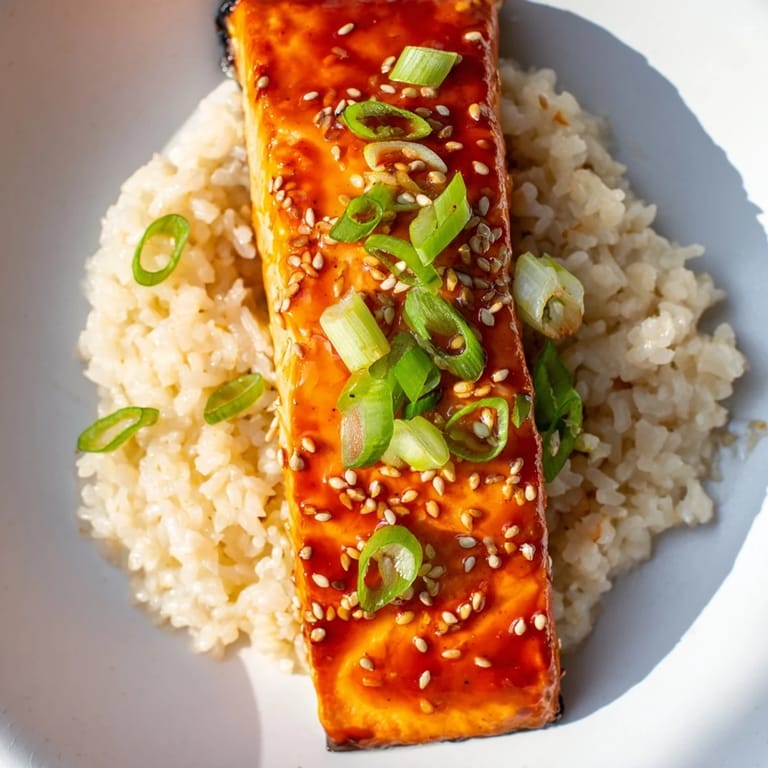
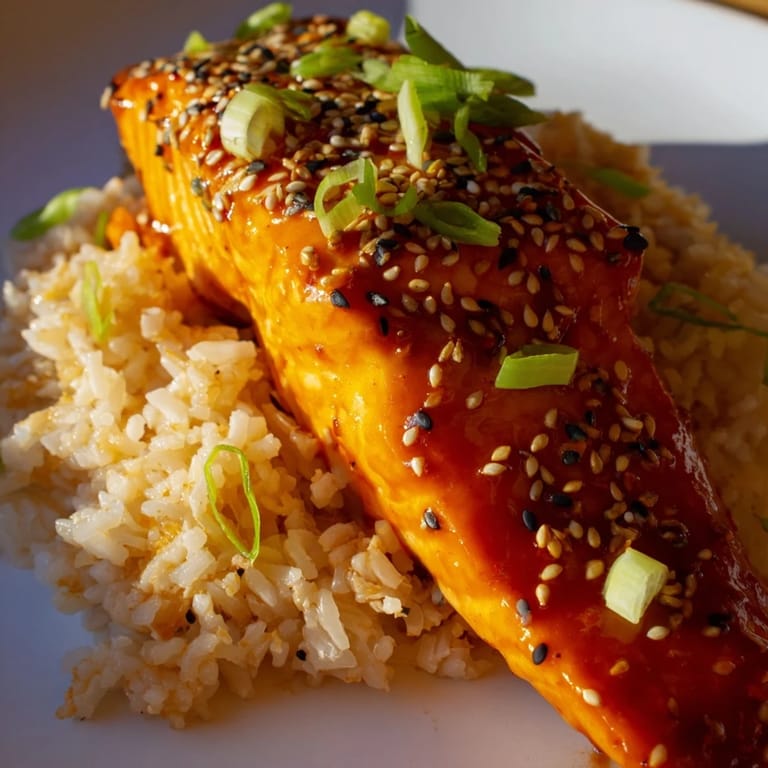
- Divide the fluffy rice among bowls, top each with a glazed salmon fillet, and drizzle with the thickened sauce. Scatter scallions, sesame seeds, and orange zest over the top if using, and serve immediately while everything is warm.
 Save
Save The moment that sealed this recipe's place in my regular rotation was when someone asked for seconds before finishing their first plate. There's something about a dish that brings that kind of enthusiasm out—it felt like I'd cracked some code between simplicity and flavor.
Why This Combination Works
Gochujang and orange might sound like an odd pairing until you taste how the citrus cuts through the richness of the salmon and mellows the heat of the chili paste. The sweetness from honey and the umami from soy sauce create this layered flavor that keeps evolving as you eat. Serve it over buttery rice and suddenly you have a dish that feels complete and balanced, not like something is missing.
Making It Your Own
I've added everything from a pinch of chili flakes for extra heat to a tiny splash of mirin for more depth, and both times it worked beautifully. The core recipe is flexible enough that you can adjust the orange juice if you want it less bright, or add more ginger if you're in a spicy mood. The structure stays solid no matter what you fiddle with.
Timing and Planning
The beauty of this dish is that everything happens simultaneously with minimal stress—the rice simmers on its own, the salmon only needs 8 minutes under the broiler, and you're basically just standing there. If you're feeding guests, you can whisk the glaze and prep the salmon up to 2 hours ahead, then cook when you're ready to serve. The whole meal lands on the table in 35 minutes from start to finish, which feels like a minor miracle for something this impressive.
- Start your rice first thing, then work on the salmon while it cooks.
- Don't walk away from the broiler—those last 2 minutes can make the difference between perfect and overdone.
- Have your garnishes prepped and ready to scatter the moment you plate, so everything stays warm.
 Save
Save This recipe taught me that some of the best meals come from happy accidents and being willing to trust your instincts in the kitchen. Every time I make it, I remember why I fell in love with cooking in the first place.
Recipe Guide
- → What does gochujang add to the dish?
Gochujang brings a unique spicy-sweet depth that complements the orange's tanginess and enriches the glaze's flavor complexity.
- → How do I cook the jasmine rice for this meal?
Rinse jasmine rice until water runs clear. Boil with water, butter, and salt, then simmer covered on low heat for 15 minutes. Let it rest covered for 5 minutes before fluffing.
- → Can I substitute the salmon with another fish?
Firm, flaky fish like cod or trout can be used, but cooking times may vary to ensure proper doneness.
- → What is the purpose of brushing the glaze during broiling?
Brushing adds layers of flavor and helps caramelize the surface, creating a sticky, glossy finish on the salmon.
- → Are there any suggested garnishes to enhance the dish?
Thinly sliced scallions, toasted sesame seeds, and a sprinkle of orange zest add freshness, texture, and aromatic brightness.